
How Long Does It Take for Robin Eggs to Hatch?
Robins are one of the most common and recognizable birds in North America. They are known for their bright orange-red breast feathers and their melodious song. Robins also have a fascinating nesting behavior, and many people are curious about how long it takes for their eggs to hatch. In this article, we will explore the timeline of robin egg incubation and the factors that can affect it.
Contents
Understanding Robin Nesting Habits
Before we dive into the incubation process, let’s take a look at how robins build their nests. Robins typically build their nests on horizontal branches or ledges, often near human habitation. The female robin builds the nest using grasses, twigs, and other plant materials, and lines it with soft materials such as moss, feathers, and hair.
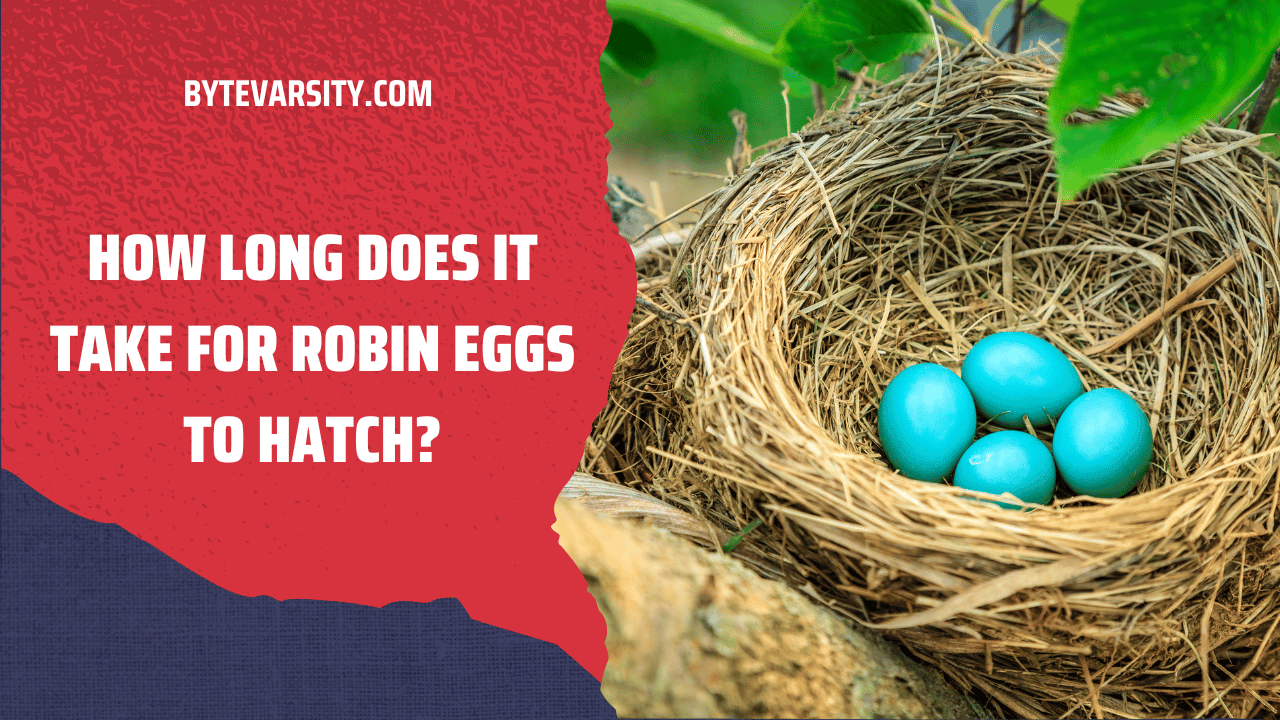
Once the nest is complete, the female robin will lay one egg per day until she has a clutch of four or five eggs. The eggs are pale blue or greenish-blue with brown speckles. Once all the eggs are laid, incubation begins.
Incubation Timeline
The incubation period for robin eggs is typically 12 to 14 days. During this time, the female robin will sit on the eggs, keeping them warm with her body heat. She will only leave the nest briefly to feed herself or to defend the nest from predators.
The eggs must be kept at a consistent temperature of around 99.5 degrees Fahrenheit (37.5 degrees Celsius) for successful incubation. If the temperature falls below this range, the eggs may not hatch. Similarly, if the temperature is too high, the embryos inside the eggs can be damaged.
Factors That Affect Incubation Time
Several factors can affect the incubation time of robin eggs. The most significant factor is temperature. If the temperature is too low, the eggs may take longer to hatch. If the temperature is too high, the embryos may develop more quickly, resulting in early hatching.
The age and health of the female robin can also affect the incubation time. Older or unhealthy robins may have a harder time keeping the eggs at the right temperature, which can result in longer incubation times or unsuccessful hatching.
Finally, environmental factors such as humidity and predation can also affect incubation time. If the nest is too humid, the eggs may not develop properly, and if predators disturb the nest, the incubation process may be interrupted or aborted.
What Happens After Hatching?
Once the eggs hatch, the baby robins are born blind, naked, and helpless. They rely entirely on their parents for warmth, food, and protection. The parents will continue to keep the nest clean and protect the young birds from predators for several weeks.
The baby robins will grow and develop quickly, and within two weeks, they will have grown feathers and be ready to leave the nest. After leaving the nest, the young birds will continue to rely on their parents for food and protection for several more weeks until they are fully independent.
Conclusion
In conclusion, the incubation period for robin eggs is typically 12 to 14 days, during which the female robin must keep the eggs at a consistent temperature of around 99.5 degrees Fahrenheit. Several factors can affect the incubation time, including temperature, the age and health of the female robin, and environmental factors such as humidity and predation.
Once the eggs hatch, the baby robins are born helpless and rely entirely on their parents for care and protection. They will grow and develop quickly and will be ready to leave the nest within two weeks.
FAQs
Do male robins help incubate the eggs?
While male robins do not typically incubate the eggs, they may occasionally take turns with the female during incubation.
What should I do if I find a robin’s egg on the ground?
If you find a robin’s egg on the ground, it is best to leave it where it is. The parents may still be caring for the nest and will likely return to the egg.
Can robins reuse their nests from year to year?
Yes, robins may reuse their nests from year to year, often adding new materials to repair and reinforce the structure.
How long do baby robins stay with their parents?
Baby robins will stay with their parents for several weeks after leaving the nest, relying on them for food and protection until they are fully independent.

