
How Does Inflating a Blood Pressure Cuff Affect Brachial Artery Blood Flow?
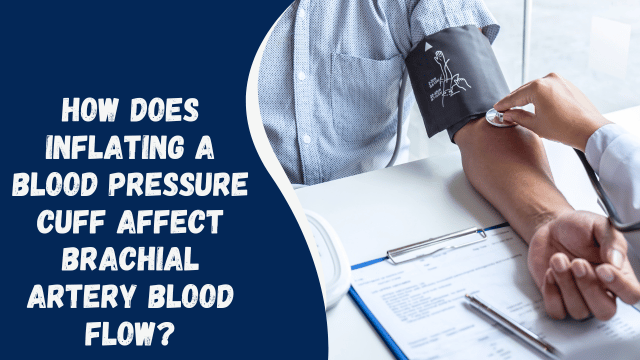
When it comes to measuring blood pressure, the inflation of a blood pressure cuff, also known as a sphygmomanometer, plays a crucial role. This simple yet significant medical device helps healthcare professionals diagnose various cardiovascular conditions. But have you ever wondered how inflating a blood pressure cuff affects the blood flow in the brachial artery? In this article, we delve into the mechanics behind this process, exploring the effects and implications on blood circulation.
Contents
- 1 Understanding Blood Pressure Measurement
- 2 The Basics of Blood Pressure
- 3 The Role of the Blood Pressure Cuff
- 4 Inflation and Blood Flow Occlusion
- 5 Temporary Blood Flow Blockage
- 6 Effects on Blood Flow Dynamics
- 7 Reactive Hyperemia: The Aftermath
- 8 Release of the Cuff and Reactive Hyperemia
- 9 Potential Implications
- 10 Importance of Proper Technique
- 11 Accurate Measurements for Diagnosis
- 12 Conclusion
Understanding Blood Pressure Measurement
The Basics of Blood Pressure
Before we delve into the impact of inflating a blood pressure cuff, let’s first understand the basics of blood pressure. Blood pressure is the force exerted by circulating blood against the walls of arteries. It consists of two values: systolic pressure and diastolic pressure, often expressed as a ratio (e.g., 120/80 mmHg).
The Role of the Blood Pressure Cuff
The blood pressure cuff, commonly placed around the upper arm, is used to measure blood pressure non-invasively. The process involves inflating the cuff to temporarily occlude blood flow in the brachial artery. This occlusion helps healthcare professionals determine the pressure at which blood flow is completely blocked (systolic pressure) and when blood flow resumes (diastolic pressure).
Inflation and Blood Flow Occlusion
Temporary Blood Flow Blockage
When the blood pressure cuff is inflated, it applies external pressure to the brachial artery. As the pressure inside the cuff increases, it gradually exceeds the pressure within the artery, leading to its temporary occlusion. This momentary halt in blood flow allows medical personnel to assess the pressure levels at which blood flow begins and returns.
Effects on Blood Flow Dynamics
Inflating the cuff interrupts the normal dynamics of blood flow in the brachial artery. Blood flow is restricted, causing the downstream pressure to decrease. This restriction prompts the heart to work harder to pump blood against the elevated cuff pressure.
Where is the Microphone on a Chromebook
Reactive Hyperemia: The Aftermath
Release of the Cuff and Reactive Hyperemia
Once the blood pressure measurement is complete, the cuff is deflated, allowing blood flow to resume in the brachial artery. The body responds with a phenomenon known as reactive hyperemia. This is a temporary increase in blood flow to compensate for the period of restricted flow, ensuring that tissues receive adequate oxygen and nutrients.
Potential Implications
While reactive hyperemia is a natural and protective response, abrupt restoration of blood flow can have implications for individuals with compromised cardiovascular health. The sudden surge of blood can strain the heart and potentially cause discomfort.
Importance of Proper Technique
Accurate Measurements for Diagnosis
To ensure accurate blood pressure readings, it’s essential to follow proper technique when using a blood pressure cuff. A gradual and controlled release of the cuff is crucial to prevent excessive reactive hyperemia. Additionally, an improperly fitted cuff can lead to inaccurate readings and potential complications.
Conclusion
In conclusion, inflating a blood pressure cuff is a fundamental step in measuring blood pressure. It temporarily halts blood flow in the brachial artery, allowing healthcare professionals to assess pressure levels. The subsequent release of the cuff triggers reactive hyperemia, ensuring tissues receive sufficient oxygen and nutrients. Proper technique is vital to obtain accurate readings and prevent potential complications. So, the next time you have your blood pressure checked, you’ll have a better understanding of the intricate processes at play.
