How Does a Forming Machine Work? A Comprehensive Guide
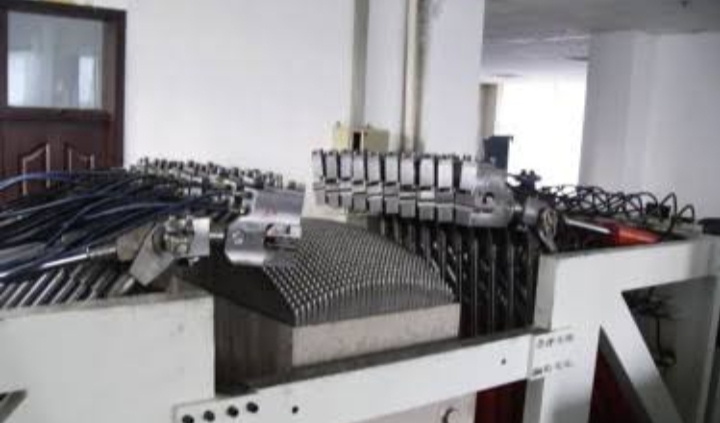
Forming machines plays a pivotal role in various industries, revolutionizing manufacturing processes and streamlining production. This article’ll delve into the intricate workings of forming machines, exploring their functions, applications, and benefits.
Introduction to Forming Machines
Ampoule Forming Machine is a mechanical device that transforms raw materials into finished products through shaping, bending, or molding processes. These machines find application in various industries, contributing to the creation of products we encounter daily.
Types of Forming Machines
Press Brakes
Press brakes are essential in metalworking, used to bend and shape sheet metal into various configurations. They utilize mechanical force to push the material against a die, resulting in precise bends and angles.
Roll Forming Machines
Roll forming machines are employed to shape continuous metal sheets into desired cross-section profiles. The process involves passing the metal through a series of rollers to achieve the final shape.
Injection Molding Machines
Injection molding machines are crucial in the production of plastic parts. Molten plastic is injected into molds, cooled, and solidified, resulting in a wide array of plastic products.
Stamping Presses
Stamping presses use significant force to shape or cut metal materials into specific forms. They are commonly used in the automotive and appliance industries.
Tube Bending Machines
Tube bending machines manipulate metal tubes to create curves, angles, and complex shapes, vital in industries such as construction and automotive.
Fundamental Principles of Forming Machines
Mechanical Forces
Forming machines rely on mechanical forces to reshape materials. These forces are generated through hydraulics, pneumatics, or electromechanical systems, ensuring precision and control.
Die Design and Tooling
Die design and tooling are critical aspects of forming processes. The die and tooling dictate the final shape of the product and must be carefully designed to achieve the desired outcome.
Material Selection
Choosing the right material is essential for successful forming. Different materials exhibit varying behaviors under stress, impacting the forming process and the final product’s quality.
Step-by-Step Process of Forming
Loading the Material
The process begins with loading the raw material onto the forming machine. This can involve sheets of metal, plastic pellets, or other suitable materials.
Applying Force
Once the material is in position, the machine applies controlled force through hydraulic cylinders, mechanical arms, or other mechanisms, shaping the material according to the die’s contours.
Shaping and Bending
As the force is applied, the material undergoes plastic deformation, changing its shape to match the die. Roll forming machines, for instance, shape metal by passing it through a series of rollers.
Ejection and Finishing
After the desired shape is achieved, the product is ejected from the machine. Further finishing processes, such as trimming or surface treatment, may be applied to meet specific requirements.
Industries Utilizing Forming Machines
Automotive
The automotive industry extensively relies on forming machines for creating vehicle components, from body panels to intricate engine parts.
Aerospace
Aerospace manufacturers use forming machines to shape lightweight materials like aluminum and titanium for aircraft components, ensuring strength and aerodynamics.
Construction
Ampoule Forming Machines are integral to constructing durable and precise building components like beams, columns, and support structures.
Packaging
In the packaging industry, forming machines are employed to create customized packaging solutions, optimizing product protection and shelf appeal.
Advantages of Forming Machines
Precision and Consistency
Forming machines deliver high precision and consistency, which is crucial for industries requiring tight tolerances and uniform product quality.
High Production Rates
Automated forming processes enable high production rates, increasing overall efficiency and reducing lead times.
Versatility in Material Handling
Forming machines can handle a variety of materials, from metals to plastics, allowing for diverse product manufacturing.
Reduced Material Waste
The efficient use of materials and precise forming capabilities of these machines contribute to reduced waste and cost savings.
Challenges in Forming Processes
Material Springback
After forming, some materials exhibit springback, returning partially to their original shape. Managing springback is crucial for achieving accurate final shapes.
Tool Wear and Maintenance
The tools and dies used in forming machines can experience wear over time. Regular maintenance and replacement are essential to ensure consistent results.
Complex Geometries
Creating products with intricate or complex geometries can pose challenges, requiring advanced tooling and precise control.
Innovations in Forming Technology
Computer-Aided Design (CAD)
CAD software assists in designing intricate dies and tooling, enhancing accuracy and reducing trial and error.
Additive Manufacturing Integration
Additive manufacturing techniques are being integrated into forming processes, allowing for complex structures and reducing material waste.
Smart Automation and Robotics
Forming machines are becoming smarter with automation and robotics, enabling real-time adjustments and monitoring for optimal results.
The Future of Forming Machines
Green Manufacturing Initiatives
The industry is moving towards more sustainable practices, with forming machines incorporating eco-friendly materials and energy-efficient processes.
Enhanced Material Compatibility
Future forming machines will handle a broader range of materials, expanding possibilities for innovative product designs.
Industry 4.0 Integration
Forming machines will be seamlessly integrated into Industry 4.0 frameworks, enabling data-driven insights, predictive maintenance, and enhanced productivity.
Conclusion
Forming machines have significantly transformed modern manufacturing, enabling the creation of intricate and precise products across various industries. Through innovative technologies and continuous advancements, these machines continue to shape the future of production.
FAQs (Frequently Asked Questions)
- What is the main purpose of a forming machine? A forming machine’s primary purpose is to reshape raw materials into finished products through processes like bending, shaping, and molding.
- What industries benefit the most from forming machines? Industries such as automotive, aerospace, construction, and packaging benefit greatly from the capabilities of forming machines.
- How do forming machines contribute to sustainable manufacturing? Forming machines are increasingly incorporating eco-friendly materials and energy-efficient processes, aligning with green manufacturing initiatives.
- Can forming machines handle different types of materials? Yes, forming machines can work with a variety of materials, including metals and plastics, offering versatility in manufacturing.
- How are forming machines evolving with technology? Forming machines are integrating technologies like CAD, additive manufacturing, and smart automation, paving the way for more efficient and innovative production processes.