How do I train my dog to walk calmly?
Training your dog to walk calmly on a leash is an essential skill that can make daily walks more enjoyable for both you and your furry companion. Dogs, especially puppies, often get excited and pull on the leash, which can be frustrating and lead to discomfort for both you and the dog. However, with patience, consistency, and positive reinforcement, you can teach your dog to walk calmly. In this guide, we’ll explore step-by-step instructions to help you achieve a peaceful and enjoyable walking experience with your dog.
Contents
Dog Leash Mastery
- Choose the Right Equipment:
The initial step in training your dog to walk calmly is to make certain you have the appropriate equipment. Invest in a comfortable, well-fitting harness or collar, paired with a leash that strikes the right balance in terms of length. Your leash should be neither too long nor too short, offering you the control you need while ensuring your dog’s comfort during walks.
- Start Indoors:
Trust your furry friend with experienced dog trainers. Our skilled professionals ensure personalized, effective training for a well-behaved and happy canine companion.
Begin training your dog in a quiet and familiar indoor space to minimize distractions. Attach the leash and let your dog get used to wearing it. Reward them with treats and praise to create positive associations with the leash.
- Teach the ‘Heel’ Command:
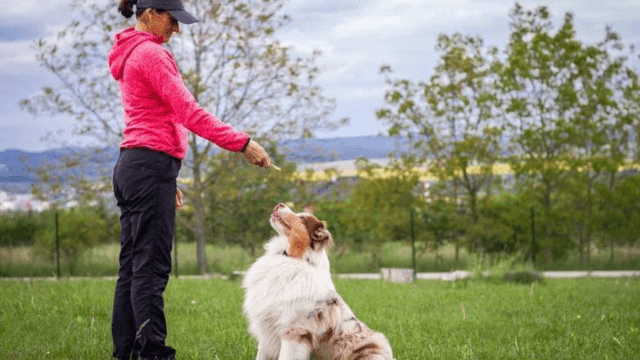
The ‘heel’ command is fundamental for teaching your dog to walk calmly. With your dog on a leash, say “heel” and encourage them to walk by your side. If they pull or go ahead, gently redirect them to your side. Reward them with treats and praise when they walk calmly by your side.
- Practice in a Controlled Environment:
Once your dog understands the ‘heel’ command indoors, take your training to a controlled outdoor space like your backyard. This allows for more distractions without overwhelming your dog.
- Gradually Increase Distractions:
As your dog becomes more proficient at walking calmly in your backyard, gradually increase the level of distractions. This can include inviting a friend or family member to walk by, introducing mild noises, or walking in new environments. Continue to reinforce the ‘heel’ command with treats and praise.
- Positive Reinforcement:
Always use positive reinforcement in your training. Reward your dog when they walk calmly by your side and listen to your commands. Treats, toys, and verbal praise can be powerful motivators. Remember to be patient and consistent, as this is a learning process for your dog.
- Timing is Key:
Timing is crucial in dog training. Reward your dog immediately when they exhibit the desired behavior. This helps them connect the action with the reward.
- Stay Consistent:
Consistency is the key to successful training. Ensure that everyone in your household uses the same commands and training methods to avoid confusing your dog.
- Stay Calm and Patient:
Dogs are very perceptive and can pick up on your emotions. If you become frustrated or agitated during training, your dog may become anxious or stressed. Stay calm, patient, and positive throughout the process.
Benefits of training your dog to walk calmly
Training your dog to walk calmly on a leash offers numerous benefits for both you and your furry companion. Here are some of the key advantages:
- Safety:
A dog that walks calmly on a leash is at lessened risk of darting into traffic, chasing other animals, or engaging in hazardous behaviors. This contributes significantly to a safer walking experience, diminishing the likelihood of accidents and injuries for your dog and yourself.
- Enjoyable Walks:
Walking a well-behaved dog is a more enjoyable experience. You can relax and appreciate your surroundings, knowing your dog is under control and unlikely to pull you around.
- Bonding:
Teaching your dog to walk calmly on a leash promotes a deeper bond between you and your pet. It cultivates trust and cooperation as your dog becomes adept at following your lead and responding to your commands, strengthening your connection with your furry companion.
- Social Interaction:
A well-behaved dog is more readily accepted in public spaces. This means you can bring your dog to parks, cafes, or outdoor events without causing disruptions or concerns for others, allowing for enjoyable and stress-free social interactions.
How to find a professional dog trainer
Finding a professional dog trainer is an important step in assuring the well-being and behavior of your canine companion. Here are some steps to help you find a qualified and suitable dog trainer and dog trainer in Alpine.
- Ask for Recommendations:
Start by asking for recommendations from friends, family, neighbors, or your veterinarian. Personal referrals can be a reliable way to find a trusted dog trainer.
- Research Online:
Utilize the internet to conduct a thorough search for dog trainers in your locality. Explore their websites, delve into client reviews, and seek information regarding their training techniques, experience, and certifications. This online research will equip you with valuable insights to make an informed choice.
- Visit Pet Supply Stores:
Numerous pet supply stores feature bulletin boards that display information about local dog trainers and training classes. Additionally, don’t hesitate to ask store employees for recommendations, as they often have insights into reputable trainers in the area. This in-person visit to pet supply stores can ensure valuable leads in your search for the right dog trainer.