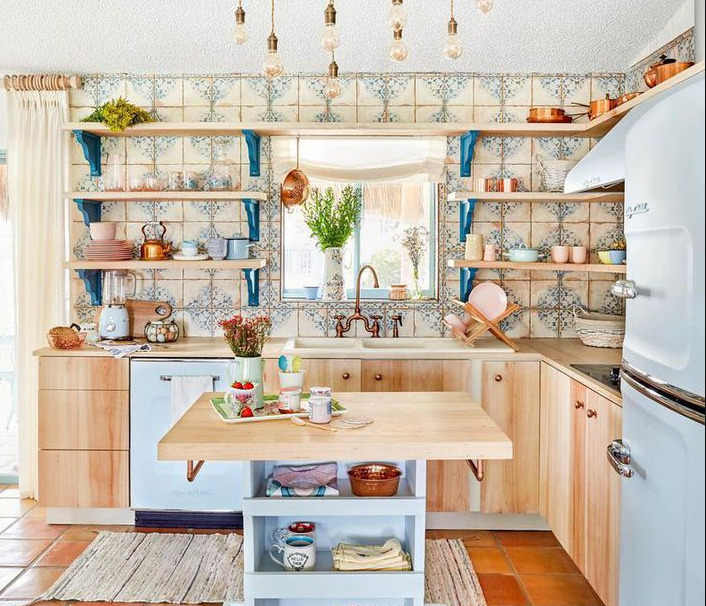
Home Transformation: Integrating Renewable Energy for a Sustainable Future

In an era marked by environmental awareness and a growing need for sustainable living, home transformation has taken center stage. People are increasingly looking for ways to reduce their carbon footprint and adopt eco-friendly practices within their homes. One powerful way to achieve this is through the integration of renewable energy sources. Renewable energy not only helps homeowners save on energy bills but also contributes to a cleaner and greener planet. This article will guide you through the step-by-step process of transforming your home into a sustainable hub through the integration of renewable energy.
Contents
- 1 Understanding Renewable Energy
- 2 Types of Renewable Energy
- 3 Steps to Integrate Renewable Energy into Your Home
- 3.1 Conduct a Home Energy Audit
- 3.2 Set Clear Renewable Energy Goals
- 3.3 Assess Your Home’s Suitability for Renewable Energy Systems
- 3.4 Consult with Renewable Energy Experts
- 3.5 Install the Chosen Renewable Energy System
- 3.6 Integrate Energy Storage Solutions
- 3.7 Monitor and Optimize Energy Consumption
- 3.8 Educate Yourself and Your Family
- 4 Benefits of Integrating Renewable Energy
- 5 Conclusion
Understanding Renewable Energy
Before delving into the steps of integrating renewable energy into your home, it’s essential to understand what renewable energy entails. Renewable energy is derived from naturally replenished sources, such as sunlight, wind, rain, tides, and geothermal heat. Unlike fossil fuels, renewable energy sources are sustainable and produce little to no greenhouse gas emissions. By harnessing these sources, we can generate electricity and heat for various household needs.
Types of Renewable Energy
There are several types of renewable energy sources that can be integrated into a home to reduce reliance on non-renewable resources:
Solar Energy
Solar energy is one of the most widely utilized forms of renewable energy. It involves capturing sunlight using solar panels and converting it into electricity or heat. Solar panels can be installed on rooftops or in open spaces to harness sunlight and power your home.
Wind Energy
Wind turbines convert the kinetic energy of wind into electricity. By placing wind turbines in strategic locations, homes can harness wind energy and generate power for their needs.
Hydropower
Hydropower generates electricity by utilizing the energy from flowing water. Small-scale hydropower systems can be installed in homes with access to running water, like streams or rivers.
Geothermal Energy
Geothermal systems tap into the Earth’s natural heat to provide heating and cooling for homes. Geothermal pumps use the consistent temperature of the Earth to efficiently regulate indoor climate.
Steps to Integrate Renewable Energy into Your Home
Conduct a Home Energy Audit
Before integrating renewable energy systems, it’s essential to assess your home’s current energy usage. A professional home energy audit will help you understand how and where you consume energy and where improvements can be made.
Set Clear Renewable Energy Goals
Establish your renewable energy goals based on the results of the energy audit. Determine the percentage of your energy needs you want to fulfill through renewable sources and select the appropriate type of renewable energy accordingly.
Assess Your Home’s Suitability for Renewable Energy Systems
Evaluate the physical aspects of your home to determine the most suitable renewable energy system. For example, assess your roof’s orientation and space for solar panels or the wind patterns for a potential wind turbine.
Consult with Renewable Energy Experts
Seek guidance from renewable energy experts or installers to determine the best system for your home. They can provide insights, conduct site assessments, and offer recommendations tailored to your specific needs and budget.
Install the Chosen Renewable Energy System
Once you’ve chosen the renewable energy system that aligns with your goals and home’s suitability, proceed with the installation. This may involve installing solar panels, wind turbines, or a geothermal heat pump system.
Integrate Energy Storage Solutions
To optimize your renewable energy system, consider incorporating energy storage solutions like batteries. These allow you to store excess energy generated during peak production times and use it when needed, ensuring a consistent power supply.
Monitor and Optimize Energy Consumption
Implement energy monitoring systems to track your energy consumption and production. Analyze the data to identify areas for further optimization, enabling you to make informed decisions about energy usage and efficiency improvements.
Educate Yourself and Your Family
Educate yourself and your family on the benefits of renewable energy and how to use it efficiently. Encourage energy-saving practices and emphasize the positive impact your efforts have on the environment.
Benefits of Integrating Renewable Energy
Integrating renewable energy into your home offers numerous benefits beyond the environmental advantages:
Cost Savings
Renewable energy systems can significantly reduce your electricity bills over time. Once installed, solar panels, wind turbines, or geothermal systems generate free electricity, allowing you to save on energy costs in the long run.
Environmental Impact
Reducing your reliance on non-renewable energy sources helps lower your carbon footprint and mitigate climate change. Renewable energy produces minimal greenhouse gas emissions, making it a more eco-friendly choice.
Energy Independence
Generating your own renewable energy provides a level of energy independence. You’re less reliant on external energy providers and less susceptible to energy price fluctuations.
Increased Property Value
Homes equipped with renewable energy systems often have higher property values. Potential buyers are attracted to energy-efficient homes that offer long-term cost savings and environmental benefits.
Conclusion
Embracing renewable energy and transforming your home into a sustainable living space is a commendable step towards a greener future. By understanding the various renewable energy options available and following the steps outlined in this guide, you can successfully integrate renewable energy into your home, reaping the numerous benefits it offers. Not only will you enjoy cost savings and a reduced environmental impact, but you’ll also contribute to a more sustainable and resilient planet for generations to come. Start your home transformation journey today and be part of the renewable energy revolution!