
Geo-Fabric Grow Bags For House PlantYard — Are They Safe and Environmental-Friendly?
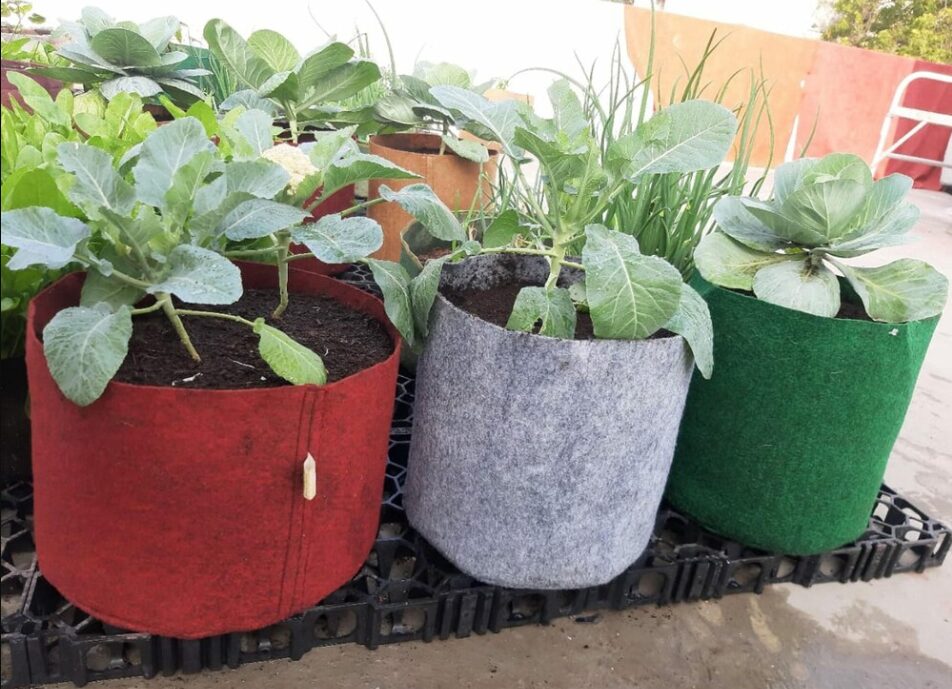
Geo-fabric grow bags are one of the alternative growing techniques that have emerged as a result of the increased popularity of indoor plant gardening. Compared to conventional pots, these permeable synthetic bags have many benefits, such as better temperature control, increased drainage, and improved root aeration. The purpose of this article is to investigate the environmental friendliness and safety of geo-fabric grow bags for indoor plant yards. We can assess whether or not these bags are a practical and sustainable choice for those who enjoy indoor plants by looking at their composition, advantages, possible drawbacks, and environmental impact.
The practice of growing plants indoors has been increasingly popular in recent years as people look for ways to bring the beauty of nature inside. Consequently, alternate growing techniques like geo-fabric grow bags have gained popularity. Compared to conventional pots, these bags—made of synthetic materials that are permeable—have a number of benefits. But concerns regarding their safety and effects on the environment are frequently raised.
Contents
Composition and Functionality of Geo-Fabric Grow Bags
Grow bags made of geo-fabric are usually made of synthetic fabrics that are porous, such as polyester or polypropylene. These materials promote ideal root health by facilitating the passage of water and air. Just like a gardening expert, Lindsey Hyland, pointed out, … in addition to aiding appropriate drainage, minimising waterlogging, and encouraging healthy root development, the fabric’s weaving technique inhibits soil erosion. The bags’ overall functionality for houseplant gardening is improved by their distinctive appearance.”
Advantages of Geo-Fabric Grow Bags
Grow bags made of geo-fabric have a number of benefits over conventional pots. First of all, the excellent aeration made possible by the permeable fabric lowers the risk of root rot and encourages stronger roots. Proper aeration is essential for the growth of roots and the uptake of nutrients. Second, since overwatering is a typical problem with potted plants, the better drainage eliminates it. Maintaining ideal soil moisture levels through proper drainage helps avoid soggy situations that can cause illness and root asphyxia. Furthermore, just like Arpit Kushawaha, a plant care writer, stated, “the insulating qualities of the bags shield roots from sudden changes in temperature, providing a more steady and ideal growing environment for plants.”
Safety Considerations of Geo-Fabric Grow Bags
Chemical composition and possible allergenicity are the two main aspects to take into account when evaluating the safety of geo-fabric grow bags. These bags are made by reputable manufacturers especially for horticulture usage, thus they are devoid of dangerous substances. To further reduce any potential dangers, it is recommended to choose bags that are labelled as “food safe” or “BPA-free“. Furthermore, certain people might be allergic to the synthetic materials in these bags, especially if they come into close touch with their skin. It is advised to use gloves when handling geo-fabric grow bags and to fully wash your hands afterward in order to lessen this.
Environmental Impact of Geo-Fabric Grow Bags
Grow bags made of geofabric have varying environmental effects depending on where the materials are sourced, how they are made, how they are disposed of, how they break down, how they are recycled, and how long they last.
There are issues with how to dispose of and break down grow bags made of geofabric. Because synthetic materials decompose slowly, they add to the growing amount of plastic trash. However, because they are lightweight and use less resources to make than typical plastic pots, geo-fabric grow bags are often regarded as being more environmentally friendly. Numerous grow bags made of geofabric are recyclable, and some producers recommend reusing the bags for several growing seasons or offer recycling programmes. For those who love house plants, recycling or reusing the bags makes them a more sustainable choice because it decreases waste and increases their longevity.
Environmental-Friendly Disposal Methods of Geo-Fabric Grow Bags
There are a few suggested procedures for disposing of geo-fabric grow bags in a way that reduces their environmental impact. These bags do not easily decompose in the environment due to their synthetic nature, even though they are often thought to be more environmentally friendly than conventional plastic pots. Here are a few disposal techniques to think about:
1. Recycling: Grow bags made of geofabric are often recyclable. To find out if your local waste management or recycling facilities accept these bags for recycling, contact them. Additionally, some manufacturers might provide advice on how to recycle their particular bags or offer recycling programmes. Recycling lessens the need for fresh resources by allowing products to be recycled.
2. Reuse: Consider reusing geo-fabric grow bags rather than throwing them away after only one usage. The bags can be cleaned and sterilised for later use if they are in good shape and are not contaminated with illnesses or pests. Reusing the bags makes them more environmentally friendly since it cuts down on waste and increases their longevity.
3. Composting: Geo-fabric grow bags can be used in commercial composting systems even if they don’t easily decompose in typical composting procedures. Synthetic materials are accepted for composting by certain commercial composting facilities or municipalities. It is imperative to confirm with municipal authorities or composting facilities that they accept grow bags made of geofabric and to adhere to their disposal standards.
4. Landfill: Geo-fabric grow bags should only be disposed of in a landfill if no other viable or accessible recycling, reuse, or composting options are available. It is crucial to remember that because synthetic materials take a long time to decompose, this is not the best choice. Grow bags made of geofabric add to the accumulation of plastic trash in landfills since they take a long time to decompose. If you must dispose of them in a landfill, make an effort to lessen the overall amount of waste produced in order to lessen the environmental impact.
It is essential to do your homework and abide by the particular instructions given by recycling centres and trash management agencies in your area. Depending on where you live, there may be differences in the laws and disposal options. You may lessen the environmental effect of geo-fabric grow bags by selecting the best disposal strategy and generating as little waste as possible through recycling or reuse.
Conclusion
For houseplant growing, geo-fabric grow bags have many advantages, such as better drainage, temperature control, and aeration. Although there are safety worries about the chemical makeup of these bags, trustworthy manufacturers provide bags that are devoid of dangerous materials.
Yes, for indoor plant gardening, geo-fabric grow bags offer a creative and practical substitute for conventional pots. They are a sensible option for plant lovers due to their composition, features, and advantages. Even though there are safety and environmental concerns, they can be reduced by choosing bags from reliable manufacturers and using appropriate disposal techniques. When choosing to employ geo-fabric grow bags in their indoor plant yards, people can make well-informed selections by taking the safety and environmental factors into account.


