Fabric Care and Maintenance
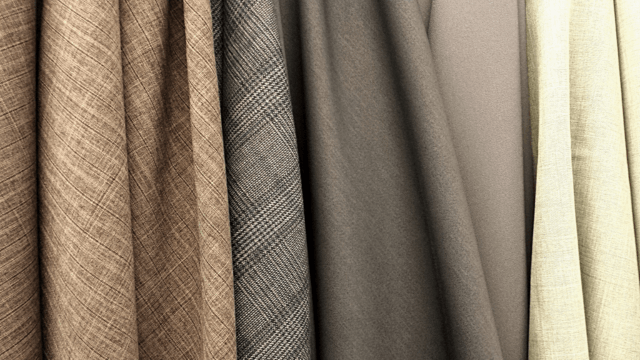
Fabric care and maintenance are essential techniques to sustain the longevity and quality of various fabrics. Different fabrics, whether for clothing, upholstery, or linens, need different treatment methods to stay clean, fresh, and in excellent condition. Knowing how to clean, store, and preserve various fabrics is essential to extending their lifespan and keeping their beauty, whether sturdy denim or delicate silks. This detailed guide will review helpful advice for handling multiple fabrics.
Recognizing Various Fabric Types:
Understanding what makes each type of cloth unique is important before getting into fabric care ideas.
The texture, creation, and fibre composition of fabrics can differ significantly, which affects how they should be cared for. The following are some typical fabric kinds, along with their attributes:
1. Cotton: Known for its toughness and breathability, cotton is a natural fiber. It is often found in linens for the home, bedding, and clothes.
2. Silk: Silk is a rich and beautiful fabric made from the organic protein-rich fibers that silkworms create. Its glossy look and softness make it highly valued.
3. Wool: The fleece of sheep and other animals, such as cashmere goats, is the source of this natural fiber. It is renowned for being warm and insulating.
4. Polyester: Polyester is a synthetic material renowned for its resistance to wrinkles, ease of maintenance, and durability. Its performance is often improved by blending it with other fibers.
5. Linen: The flax plant is the natural source of linen, a fiber. It is prized for its crisp texture, strength, and breathability.
6. Velvet: With its rich appearance and smooth pile, velvet is a sumptuous fabric. Various fibers, such as cotton, silk, and synthetic materials, can be used to make it.
After defining a few typical fabric kinds, let’s discuss some cleaning, storing, and preservation advice.
Cleaning Different Fabric Types:
1. Cotton: To avoid shrinking and maintaining color, machine wash cotton garments in cool water.
To prevent causing harm to the fibers, use a mild detergent.
– To stop colored cotton fabrics from fading, steer clear of bleach.
Try air drying or tumble drying on low heat to avoid too much shrinking.
2. Silk: Hand-wash silk clothing with a mild detergent or a silk cleaner explicitly designed for that purpose.
– Silk fabrics should not be twisted or wringing out as this can harm the fragile fibers.
Dry them flat on a towel to keep silk goods from stretching and preserve their shape.
– Consider letting them dry and clean properly for extremely filthy or stained silk clothing.
3. Wool: To avoid shrinkage and distortion, dry clean wool clothing.
– Use cold water and a light detergent to spot clean spots immediately.
– Wool clothing should not be hung as this may make them stretch out of shape.
– Store wool clothing in airy garment bags to keep it free of dust and insects like moths.
4. Polyester: Use a mild detergent and warm water for machine-washing polyester materials.
– Use a low heat while tumble drying to avoid wrinkles and static.
-Fabric softeners should not be used since they can leave traces on polyester fibers.
– Iron polyester clothing should be placed on a low heat setting while protecting the fabric with a pressing cloth.
5. Linen: Machine wash linen items in cold water to prevent shrinkage.
– To reduce wrinkles, line dry or tumble dry on low heat.
– Iron linen goods should be kept while they are still slightly wet for best results.
Clothes made of linen should be kept dry and cold to avoid mold and musty smells.
6. Velvet: To keep velvet things looking elegant, dry clean them.
Velvet fabric should not be ironed since this may break the pattern.
– Use a velvet brush or clothes steamer to bring back the fabric and eliminate wrinkles.
Keep velvet clothing folded loosely or flat to avoid crushing and deformation.
How to Store Various Fabric Types:
Proper storage is essential for maintaining their appearance and quality when materials are not in use. The following advice can be used to store various kinds of fabrics:
1. Linen, cotton, silk, and wool: Put dry, clean materials in breathable garment bags or cotton storage bags.
Be aware of plastic bags since they can retain moisture and encourage mold formation.
To avoid fading and discoloration, keep clothing out of direct sunlight and store it in a dry location.
– To help in maintaining shape and avoid creasing, fill sleeves and folds with acid-free tissue paper.
2. Polyester: They can be kept in plastic storage containers or vacuum-sealed bags to keep them dry and moisture-free.
– Before storage, make sure clothing is dry to stop the formation of mold and mildew.
– To avoid melting or deforming, store polyester objects away from heat sources in a cool, dry place.
Conclusion:
Maintaining and caring for various materials is crucial to extending their lifespan and aesthetic appeal. Your clothing, fabric, and linens will stay clean, fresh, and in good condition for years to come if you know the particular care needs of cotton, silk, wool, linen, polyester, and velvet. By using the cleaning, storing, and preservation techniques described in this article, you can enjoy your fabrics for longer lengths of time and lessen the early replacement