Exploring Thoughtfully Designed Accessory Dwelling Units: Maximizing Space and Functionality
Accessory dwelling units (ADUs) have emerged as a popular solution to housing shortages in urban areas, allowing homeowners to maximize their property’s potential. These small, independent residential dwelling units located on the same grounds as a standalone single-family home are crafted to accommodate additional living space for family members and tenants or as a source of rental income. We will delve into the intricacies of designing thoughtful ADUs, focusing on efficient use of space, integration with existing structures, legal considerations, environmental sustainability, and the potential impact on community dynamics. My ADU specializes in helping homeowners in Portland navigate the complexities of designing and building accessory dwelling units tailored to their needs.
1. Introduction to Accessory Dwelling Units
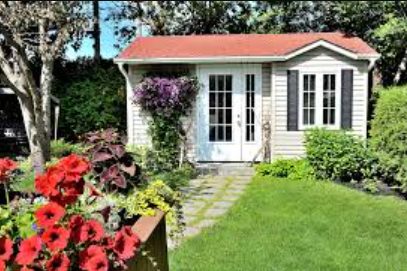
Accessory dwelling units, called ADUs, are versatile structures designed to be secondary houses or apartments on the same lot as a primary residence. They can take various forms, including detached units like backyard cottages, attached units like above-garage apartments, or interior conversions like basement apartments. Thoughtfully designed ADUs maximize living space through efficient design while offering the benefits of privacy and independence. These units provide affordable housing options, boost property values, offer flexibility in housing, and foster multi-generational living. Understanding how to design and implement these structures effectively requires a deep appreciation of architectural ingenuity, zoning laws, and the specific needs of occupants.
2. Space Efficiency in ADU Design
Designing an ADU requires careful consideration of space utilization to ensure functionality within a limited footprint. Effective space management often involves using multi-functional furniture and built-ins that maximize storage and livability. For example, Murphy beds, built-in shelves, and foldable workspaces transform living areas to suit different needs throughout the day. Kitchen and bathroom designs often utilize compact appliances and fixtures tailored to small spaces without sacrificing usability.
The layout of an ADU should also promote a sense of spaciousness and light. This can be achieved through open floor plans that merge living, dining, and kitchen areas, enhancing the flow of the space. Large windows, skylights, and strategically placed mirrors can amplify natural light, making the unit feel larger and more inviting. Moreover, integrating indoor and outdoor living spaces, such as including a small patio or balcony, can extend the living area visually and functionally.
It is also essential to consider potential occupants’ specific needs and lifestyles. For example, an ADU designed for elderly parents might require no-step entries, wider doorways, and bathroom safety features. Conversely, an ADU intended for rental might focus on soundproofing and privacy enhancements to attract long-term tenants.
3. Integration with Existing Structures
The architectural integration of an ADU with the main residence is crucial for maintaining aesthetic harmony and functionality. This involves considering the design elements, materials, and proportions to complement the primary home. Consistency in architectural style, exterior finishes, and roofing materials can help integrate the ADU seamlessly into the property, enhancing the overall aesthetic appeal.
Landscaping is another critical factor in the integration process. Well-planned landscaping can provide privacy for the main house and the ADU while creating a cohesive visual flow across the property. Strategic placement of plants, fences, and pathways can delineate spaces while maintaining an open, connected feel.
Utility connections pose another integration challenge. Proper planning must ensure that the ADU has access to water, electricity, sewage, and possibly gas and maintain the efficiency and capacity of services to the main house. This often requires upgrades to existing systems and should be done in compliance with local building codes and regulations.
Furthermore, the positioning of the ADU on the property should be strategically planned to enhance accessibility, maximize privacy, and take advantage of natural light and views. This positioning often depends on the lot size, existing structures, and the land’s topography.
4. Navigating Legal Considerations
Understanding and adhering to the legal landscape is fundamental in the development of ADUs. Zoning laws, building codes, and local regulations can significantly influence the design, placement, and functionality of ADUs. Homeowners must navigate these regulations early in planning to avoid costly adjustments and ensure compliance.
Zoning laws typically dictate the size, placement, and sometimes even the appearance of ADUs. These regulations are intended to maintain neighborhood character, control density, and ensure infrastructure capacity. Homeowners looking to build an ADU must obtain the necessary permits and engage with zoning boards or community councils to align their plans with local requirements.
Building codes are equally important, as they ensure the safety and habitability of ADUs. These codes cover various construction aspects, including structural integrity, fire safety, electrical systems, and accessibility. Compliance with these codes not only ensures safety but also enhances the structure’s functionality and longevity.
Homeowners should also be aware of potential tax implications and changes in property value that might arise from adding an ADU. While an increase in property value can increase property taxes, it can also provide significant financial benefits through rental income or increased resale value.
Engaging with legal professionals or consultants specializing in local real estate and zoning laws can provide valuable guidance and streamline the approval process. This expertise can help homeowners navigate the complexities of legal compliance and avoid potential pitfalls that could delay or derail ADU projects.
5. Environmental Sustainability and Community Impact
Designing environmentally sustainable ADUs contributes positively to the ecosystem and enhances the appeal of these units. Sustainable practices in ADU design include using energy-efficient appliances and sustainable building materials and incorporating green technologies such as solar panels and rainwater harvesting systems. Such features not only reduce the environmental footprint of the ADU but also lower energy costs, making them attractive to environmentally conscious consumers and tenants.
Moreover, the placement and design of ADUs should consider their impact on the surrounding community and environment. Thoughtfully designed ADUs can help alleviate housing shortages in densely populated areas by providing affordable housing options without requiring extensive new construction. This can lead to a more efficient use of urban land and resources, contribute to economic diversity, and reduce urban sprawl.
The integration of ADUs can positively impact community dynamics. They can provide housing for caregivers, close relatives, young adults, or renters, fostering diverse community relationships and support networks. However, potential issues such as increased traffic, parking shortages, and changes in neighborhood character must be addressed through thoughtful planning and community engagement.
Engagement with local communities during the planning and development stages can help align the project with community values and needs, easing potential tensions and fostering a sense of community buy-in and support.
Conclusion
Developing thoughtfully designed accessory dwelling units offers a unique opportunity to address housing needs while maximizing property use and value. By focusing on efficient space utilization, integration with existing structures, adherence to legal requirements, environmental sustainability, and community impact, homeowners can create ADUs that are functional, appealing, and beneficial on multiple levels. Whether enhancing family connectivity, providing rental income, or contributing to local housing solutions, ADUs represent a smart strategy in today’s dynamic housing landscape.