
Explore the types and benefits of clothing label materials
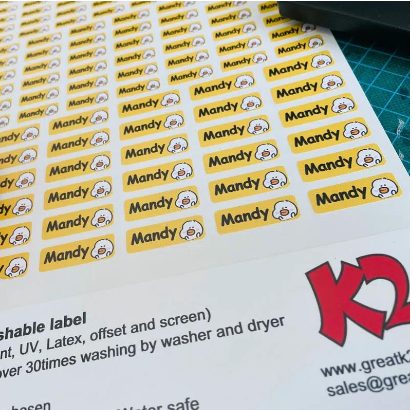
Clothing labels play an important role for any garment, acting like documentation. The label states the brand, size, care instructions, and sometimes even the material composition. The material of a clothing label is just as important as the information on the label itself. The label must be comfortable, durable, and fit the garment to which it is attached. The best choice of clothing label material allows it to stay on the garment and remain readable throughout the life of the garment.
Contents
Clothing Label Material Types
- Woven Label Description:Woven Labels: These labels are made of threads that are woven into the label. Polyester, cotton, and satin are common materials for woven labels. They are durable and suitable for luxurious garments such as suits or dresses. They are sturdier than printed labels and have a gorgeous feel. Woven labels are often used to promote brand names or logos on garments.
- Printed Labels: Label information is printed directly onto satin, cotton, or polyester fabric. This type of label is very flexible and can come in a variety of colors, detailed graphics, and often includes care information, size, or any other important information. It is widely used. This type of label is also very economical and simple to produce.
- Satin Labels: Satin material has a silky, shiny surface and is often used for clothing labels because people like the feel of satin. Satin labels are either woven or printed and are often found on garments that require a soft touch, such as lingerie, baby clothing, or high-end fashion products. Satin labels are suitable for these garments because they have a very nice look and feel. However, satin labels are less prone to wear and tear.
- Heat Transfer Labels: Also known as tagless labels, these labels use heat and pressure to print the label information directly onto the garment. They are often used on activewear and sportswear, where comfort and reduced bulk are important. Using this type of label is less likely to cause skin irritation because there is nothing to get caught on.
Advantages of Different Clothing Label Materials
- Durability: Some materials are more durable than others, and some are less susceptible to wear or fading. For example, woven labels made of polyester are resistant to wear and fading. If the garment is to be worn for several years, it is a plus that the label remains legible.
- Softness: Softness is a must for care labels, especially for garments that are worn next to the skin. Satin labels feel great to the touch and are suitable for sensitive skin. Since heat transfer labels do not require sewing holes, there is no discomfort associated with traditional inner labels.
- Aesthetics: When a label is displayed on the front of a garment, such as on a turtleneck, it helps to elevate the overall impression of the garment. This aesthetic can be enhanced by the appearance of the label material itself. Woven labels will have a three-dimensional design and superior finish, making woven garments more sophisticated. Satin brings a sense of luxury, and printing will add variety to graphic designs and colors.
- Environmental considerations: Nowadays, people are paying more and more attention to environmental responsibility, and the material of the label can indicate whether the brand behind it cares about the environment. Recyclable materials are becoming more and more popular as brands seek to be more environmentally friendly.
Applications in the fashion industry
Printed labels and heat transfer labels: These labels are suitable for everyday clothing, including T-shirts, jeans, and casual wear. Printed clothing labels and heat transfer labels provide all the required information while being thin, light, and non-intrusive, which is very important for mass-produced goods.
Sportswear and activewear
Many women like to wear activewear and activewear as fitness wear or professional dance wear. Comfort and functionality are the most important considerations, and wearers don’t like labels that are tight and stiff, which is solved by heat transfer labels. Heat transfer labels are lightweight and thin, and they don’t cause itching when sweat opens the pores of the fabric. At the same time, they can be washed many times.
Workwear and outdoor clothing: Workwear and outdoor clothing are tough and stretchy, so the labels also need to be very durable.
The material of the label affects the final feel and finish of the garment, but explaining how this works is beyond the scope of this article. As with all materials, you can find clothing labels that are sustainable, very soft, very strong, or something in between. Fashion does not stand still, consumer needs and desires change, and so do the demands on clothing labels in terms of innovation, comfort, or ecology. When a brand designs its clothing, it needs to match these needs with the material choices that best suit its products and brand values.


