Evolution of Nursing Post-Pandemic: Adaptation and Resilience
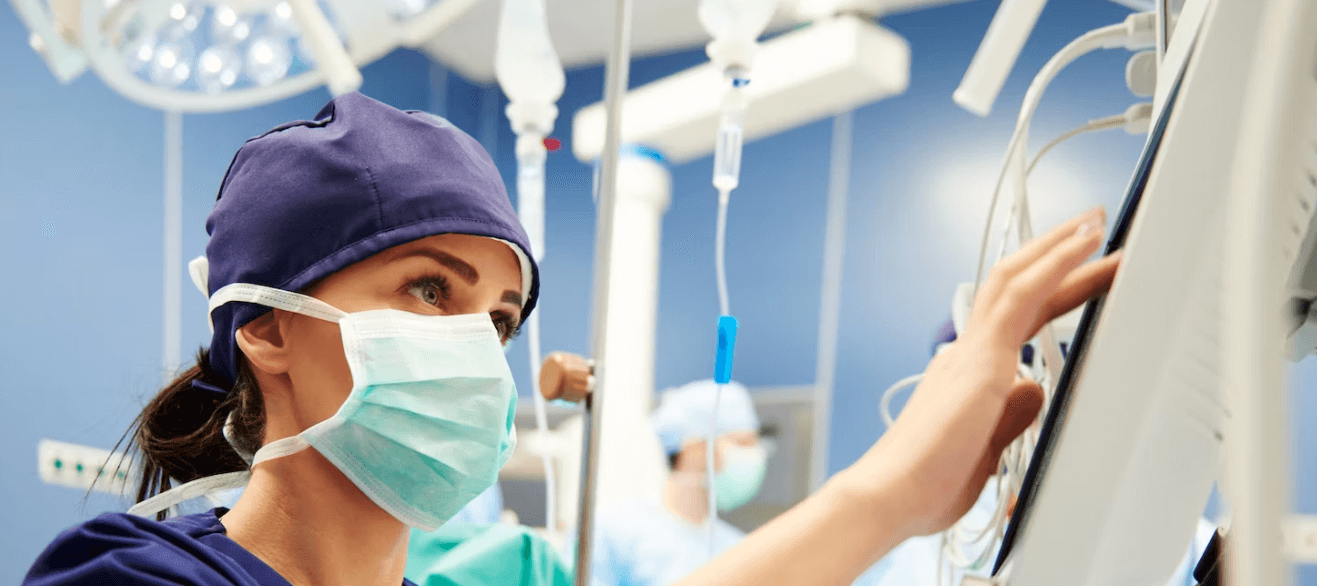
The COVID-19 pandemic has had a profound impact on the field of nursing, reshaping the way healthcare is delivered and challenging nurses in unprecedented ways. As we reflect on the changes that have taken place since the pandemic began, it becomes evident that nursing has evolved significantly. In this article, we will explore how nursing has transformed in response to the pandemic, highlighting key areas of adaptation and resilience.
Contents
The New Normal in Healthcare Delivery
The pandemic forced healthcare institutions to adapt rapidly to a shifting landscape. Here’s how nursing has changed in response:
1. Telehealth Integration:
The pandemic accelerated the adoption of telehealth services across the healthcare industry. Nurses have had to become proficient in virtual patient assessments, consultations, and monitoring. This shift has not only expanded nurses’ skill sets but has also allowed them to reach patients in remote or underserved areas.
2. Infection Control and Safety Protocols:
Nurses have always been vigilant about infection control, but the pandemic elevated these protocols to new heights. The use of personal protective equipment (PPE), strict hygiene measures, and enhanced cleaning procedures have become the norm in healthcare settings. Nurses have adapted to these changes while ensuring that patient care remains a top priority.
3. Staffing Challenges:
The pandemic placed immense pressure on healthcare staffing. Shortages of nurses and other healthcare professionals became a significant concern. A nurse staffing agency can play a crucial role in addressing these shortages by providing temporary staff and helping healthcare facilities maintain adequate staffing levels, especially during surges in COVID-19 cases. in addressing these shortages by providing temporary staff and helping healthcare facilities maintain adequate staffing levels during surges in COVID-19 cases.
Supporting the Mental Health of Nurses
The pandemic took a toll on the mental health of healthcare workers, including nurses. Here’s how nursing has evolved in terms of mental health support:
4. Increased Awareness and Resources:
Healthcare institutions have recognized the importance of mental health support for their nursing staff. There has been a growing awareness of the emotional and psychological toll that caring for COVID-19 patients can take. As a result, resources for mental health counseling, stress management, and peer support have become more readily available to nurses.
5. Resilience Training:
Many healthcare organizations have implemented resilience training programs to help nurses cope with stress, trauma, and burnout. These programs equip nurses with the tool to navigate the emotional challenges of their profession while maintaining their own well-being.
6. Peer Support Networks:
Peer support networks have gained prominence as a way for nurses to connect and share their experiences. These networks provide a safe space for nurses to discuss their feelings, seek advice, and find camaraderie with colleagues who understand the unique challenges they face.
Technology Advancements in Nursing
The pandemic accelerated the integration of technology into nursing practice. Here’s how technology has changed nursing:
7. Electronic Health Records (EHRs):
The use of electronic health records has become even more essential in the post-pandemic era. EHRs streamline patient data management, improve communication among healthcare teams, and enhance patient safety. Nurses have adapted to these systems and leveraged them to provide more efficient and comprehensive care.
8. Remote Monitoring:
Remote patient monitoring technologies have become increasingly valuable in nursing practice. Nurses can remotely monitor vital signs, track patient progress, and intervene promptly when necessary. This has been particularly beneficial for patients recovering at home or in long-term care facilities.
9. Data Analytics and Predictive Modeling:
Data-driven decision-making has gained prominence in nursing. Nurses are using data analytics and predictive modeling to identify trends, allocate resources effectively, and improve patient outcomes. These tools have proven crucial in managing patient surges during the pandemic.
Advancements in Training and Education
The pandemic has prompted changes in nursing education and training to better prepare nurses for future challenges:
10. Simulation Training:
Simulation training has become more prevalent in nursing education. It allows students to practice critical skills and scenarios in a safe and controlled environment. This hands-on approach has proven invaluable in preparing nurses to handle real-life emergencies, including those related to pandemics.
11. Pandemic Preparedness Curriculum:
Nursing programs have incorporated pandemic preparedness into their curricula. Students are now educated on the principles of infection control, crisis management, and disaster response, ensuring that they are better equipped to respond to future health crises.
12. Interprofessional Collaboration:
The pandemic underscored the importance of interprofessional collaboration in healthcare. Nursing education has emphasized teamwork and communication skills, preparing future nurses to work seamlessly with physicians, pharmacists, respiratory therapists, and other healthcare professionals during crises.
Conclusion
Nursing has undergone significant changes since the onset of the COVID-19 pandemic. From the rapid adoption of telehealth to heightened infection control measures, nurses have adapted to a new healthcare landscape. Supporting the mental health of nurses, embracing technology, and advancing nursing education have been essential components of this transformation.
As the healthcare industry continues to evolve, nurses will play a pivotal role in shaping the future of patient care. The lessons learned during the pandemic have highlighted the resilience, adaptability, and unwavering dedication of nurses. As we move forward, it is crucial to recognize and support the ongoing evolution of nursing to ensure the delivery of high-quality healthcare to all.