
Everything You Need To Know About Driveway Trench Drains
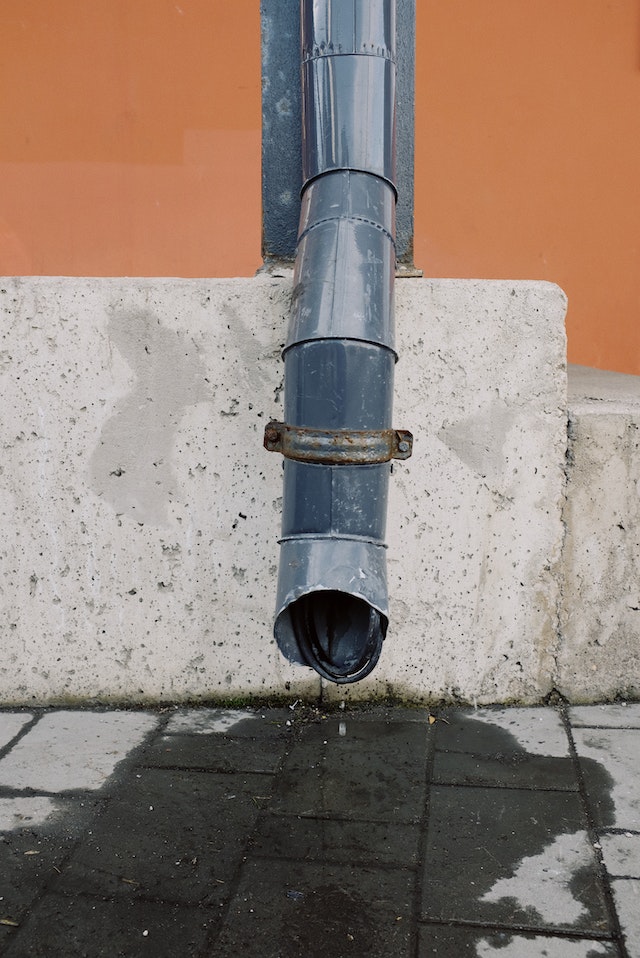
A driveway trench drain, also known as a channel drain or linear drain, is a type of drainage system used to collect and redirect water away from driveways, patios, and other outdoor areas. It consists of a long, narrow channel or trench that is installed in the ground along the edge of the pavement. The top of the drain is typically covered with a grate or slot cover to allow water to flow into the channel while preventing debris from entering.
The primary purpose of a driveway trench drain is to prevent water accumulation that can lead to flooding and damage. When it rains or snow melts, water can easily pool on driveways due to their flat surface. Without proper drainage systems like trench drains in place, this standing water can seep into cracks and joints in the pavement, causing it to deteriorate over time. By collecting and redirecting water away from the driveway surface, trench drains help extend its lifespan and reduce maintenance requirements.
Driveway trench drains are available in various materials such as plastic, concrete, or metal. Plastic channels are lightweight and easy to install but may not be as durable as concrete or metal options. Concrete drains are sturdy and long-lasting but require professional installation due to their weight. Metal channels offer both strength and aesthetics but tend to be more expensive than other options. Overall, choosing the right material for your driveway trench drain depends on factors such as budget constraints, aesthetic preferences, climate conditions, and expected traffic loadings.
Contents
Purpose of a driveway trench drain
A driveway trench drain serves a crucial purpose in ensuring proper drainage and preventing water damage. These drains are typically installed at the edge of the driveway, close to the garage or street, to collect and redirect excess water. They consist of a narrow trench with a grated cover that allows water to enter while keeping debris out.
One of the main functions of a driveway trench drain is to prevent pooling and flooding. When it rains heavily or snow melts rapidly, water can accumulate on the surface of your driveway, causing potential damage. By capturing this excess water in the trench drain, it is effectively channeled away from the driveway and into a proper drainage system.
Furthermore, driveway trench drains also help in maintaining the integrity of your property’s foundation. Accumulated water around your home’s foundation can lead to soil erosion and structural issues over time. The installation of a properly functioning trench drain ensures that any excess moisture is directed away from your property, reducing the risk of costly repairs down the line.
Benefits of installing a driveway trench drain
One of the main benefits of installing a driveway trench drain is that it helps to prevent water accumulation on your driveway. When it rains or snows, water can easily collect on your driveway, leading to puddles and potential damage. However, with a trench drain in place, the excess water is collected and redirected away from your driveway, preventing any pooling or flooding issues. This not only helps to keep your driveway dry and safe but also protects it from any potential long-term damage caused by standing water.
Another advantage of installing a driveway trench drain is that it helps to improve the overall aesthetics of your property. Trench drains are available in various designs and materials, allowing you to choose one that complements the style of your home. By seamlessly blending into the surroundings, these drains not only serve their functional purpose but also enhance the visual appeal of your property. Additionally, since they help in keeping the area clean and free from debris, they contribute to maintaining a neat and well-maintained appearance for your driveway.
Overall, installing a driveway trench drain offers numerous benefits ranging from improved drainage functionality to enhanced curb appeal for your property. With its ability to efficiently manage water flow while adding aesthetic value, this drainage system proves to be an essential addition for homeowners looking for both practicality and beauty in their driveways.
Types of materials used for driveway trench drains
When it comes to driveway trench drains, there are several types of materials that can be used for their construction. One common material is concrete. Concrete driveway trench drains are durable and long-lasting, making them a popular choice among homeowners. They can withstand heavy traffic and are resistant to damage from vehicles or harsh weather conditions.
Another material commonly used for driveway trench drains is polymer concrete. This type of material offers similar durability to traditional concrete but with added benefits such as increased chemical resistance and reduced weight. Polymer concrete driveway trench drains are also easy to install and maintain, making them a convenient choice for many homeowners.
Additionally, some homeowners may opt for plastic or PVC driveway trench drains. These types of materials are lightweight, affordable, and easy to install. They offer good resistance against chemicals and rusting while providing effective drainage solutions.
In conclusion, the choice of material for driveway trench drains depends on factors such as durability requirements, budget constraints, and personal preferences. Concrete, polymer concrete, plastic/PVC are some common options that homeowners can consider when installing these drainage systems in their driveways.
Installation process for driveway trench drains
The installation process for driveway trench drains is a crucial step in ensuring proper drainage and preventing water damage to your property. The first step is to determine the appropriate location for the trench drain, taking into consideration factors such as the slope of the driveway and any existing structures or utilities. Once the location is determined, excavation is necessary to create a trench that will accommodate the drain.
Next, a suitable base material should be laid down to provide stability and support for the drain system. This may include compacted gravel or crushed stone. The actual drain components can then be installed, including channel sections, end caps, and outlets. It’s important to carefully follow manufacturer instructions during this step to ensure proper alignment and connection of all components.
Finally, backfilling around the drain with additional base material or concrete is necessary to secure it in place and provide stability. Proper compaction of the backfill material is essential for long-lasting performance of the trench drain system. Once installed, regular maintenance such as cleaning debris from grates or channels may be required to keep your driveway trench drains functioning effectively.
Maintenance and cleaning tips for driveway trench drains
Maintaining and cleaning driveway trench drains is essential to ensure their proper functioning and longevity. Firstly, regular inspections should be conducted to check for any blockages or debris that may have accumulated in the drain. This can be done by removing the grates and using a hose or pressure washer to flush out any dirt or leaves.
Additionally, it is important to clean the grates regularly to prevent clogs and ensure water flow is not obstructed. A simple solution of warm water and mild detergent can be used along with a brush or scrubber to remove any built-up dirt or grease.
Furthermore, it is recommended to schedule professional maintenance at least once a year for thorough cleaning and inspection of the entire drainage system. Professionals can identify any potential issues such as cracks or leaks that may require repair, ensuring optimal performance of your driveway trench drains for years to come.


