Erosion Control and How to Create a Wildflower Lawn
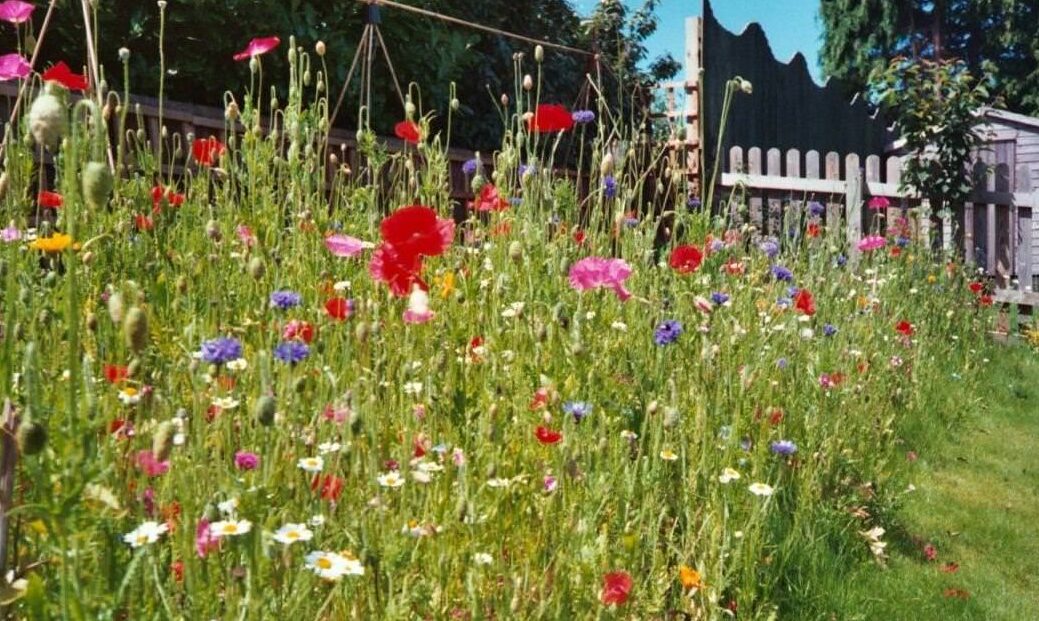
Homeowners frequently deal with the issue of lawn erosion, particularly during periods of intense precipitation or snowmelt. It happens when water runs across the lawn’s surface, washing away soil particles and leaving ugly areas of bare earth in their wake.
If you’re looking to protect your lawn from erosion and want to know how to create a wildflower lawn, you’re in the right place. It’s critical to put in place appropriate erosion management techniques to stop grass erosion and prepare the ground for your wildflowers.
Contents
Understanding Erosion
It is crucial to comprehend how erosion happens before delving into control measures.
Erosion occurs when water passes across the earth, removing elements such as soil particles. There are several reasons why this can occur, including insufficient irrigation, excessive precipitation, and snowmelt.
An area’s susceptibility to erosion is influenced by various factors, including vegetation cover, soil type, and the steepness of the slope.
Water may run across your lawn’s slope or downhill after a period of heavy rain or snowmelt. As it goes, the water will pick up speed and carry soil particles with it.
This can wash away vegetation, leaving behind exposed roots and bare sections of soil, and create deep channels or gullies in the earth. Even in places with less slope, erosion can happen when water builds up on the surface and saturates the soil, increasing its susceptibility to erosion.
Effects of soil erosion on lawns can include:
- Topsoil loss
- Roots that are visible and bare in places
- shallow soil depth, which makes it challenging for plants to grow robust root systems
- uneven terrain as a result of washouts or gullies
Erosion Control Methods
To stop or lessen erosion on your lawn, there are a number of methods you can employ. Among them are:
Mulching
Mulching is the process of adding an organic material layer, like wood chips, straw, or grass clippings, to the soil. This keeps the soil from being washed away by wind or rain and helps to slow down the flow of water.
Planting ground cover
In order to stabilize the soil and stop erosion, a variety of plants, including grass, bushes, and trees, can be planted. These plants’ extensive root systems help them retain soil and take up extra moisture. Their branches and leaves also serve as barriers to reduce the speed at which water flows.
Terracing
Building terraces can help slow down water flow and stop erosion in regions with steep slopes. To do this, level sections of the slope must be built, and soil must be held back using vegetation or retaining walls.
Rain gardens
An area planted with the intention of collecting and absorbing extra water from your lawn is called a rain garden. You may lessen erosion and give birds and insects a natural habitat by channeling rainwater into this garden.
Rain gardens
Controlling erosion can also be achieved by making sure that your lawn has adequate drainage systems. This can involve sloping the land to redirect water away from weak spots, putting in gutters and downspouts, or building swales to divert runoff.
Exploring the use of ground covers, retaining walls, and terraces
In certain situations, you might need to think about taking more drastic actions, including building terraces and retaining walls or using geotextiles as ground coverings.
These techniques can offer further defense against erosion in places with heavy traffic or steep inclines. However, for a perfect installation, they might need expert assistance.
Choosing the Right Erosion Control Method for Your Lawn
Factors to consider while selecting an erosion control method:
- The land’s slope
- Type and depth of soil
- The quantity of rain in your location
- Cover of vegetation
Guidance on how to choose the most suitable method for different types of lawns:
- Mulching and planting a variety of vegetation can be useful erosion control techniques for lawns that are level or mildly inclined.
- More involved techniques like retaining walls or terracing could be necessary for steep slopes.
- Installing ground coverings like geotextiles may be required to preserve the soil in locations with a lot of foot traffic.
- Speak with a specialist:
- Seeking advice from a professional landscaper or erosion control specialist is always a good option if you are unclear about the ideal approach for your grass. They are able to determine the particular requirements of your lawn and provide the best ways to stop erosion.
Implementing Erosion Control Measures
Steps involved in implementing the chosen erosion control method:
- To ascertain the extent of erosion on your lawn and pinpoint places that are susceptible, perform a site evaluation.
- Considering variables such as vegetation cover, soil type, and slope will help you choose the best approach.
- Clear the location of any rubbish and get the soil ready for the installation.
- Install the selected technique in accordance with the manufacturer’s instructions, or, if necessary, seek expert assistance.
Tips and best practices for effective erosion control:
- Keep an eye out for indications of erosion in your lawn and take quick action as necessary.
- Keep your drainage systems in good working order to avoid standing water on your grass.
- Refrain from overwatering your grass as this may lead to erosion and saturated soil.
Maintaining Your Lawn Post-Erosion Control
Importance of regular monitoring and maintenance post-implementation
To stop erosion from happening again, regular upkeep and observation are crucial. Over time, natural processes such as rainwater can cause slow erosion even with the best-intentioned precautions. You can stop additional damage and guarantee the long-term effectiveness of your lawn’s erosion management techniques by routinely inspecting your lawn for symptoms of erosion and taking quick action when necessary. preserving appropriate vegetation cover and drainage systems is also important.
Protecting your lawn requires more than just putting erosion control techniques into place. It is crucial to consistently maintain these steps in order to guarantee long-term success.
Here are some pointers for keeping your grass resistant to erosion: Frequently check your lawn for damage or indications of erosion.
Some tips for maintaining an erosion-resistant lawn include:
- To keep their root systems healthy, keep an eye on the growth of your plants and prune or replant as necessary.
- Steer clear of dense foot traffic in regions that are vulnerable to erosion.Keep abreast of weather forecasts and take appropriate precautions in case of severe rain or melting.
In summary, controlling erosion and creating a wildflower lawn can go hand in hand. By understanding erosion, selecting the right wildflowers, and following proper planting and maintenance techniques, you can protect your lawn and promote biodiversity. Now you know how to create a wildflower lawn that not only looks beautiful but also serves as an effective erosion control measure.