Enhancing Skills through Confined Space Training
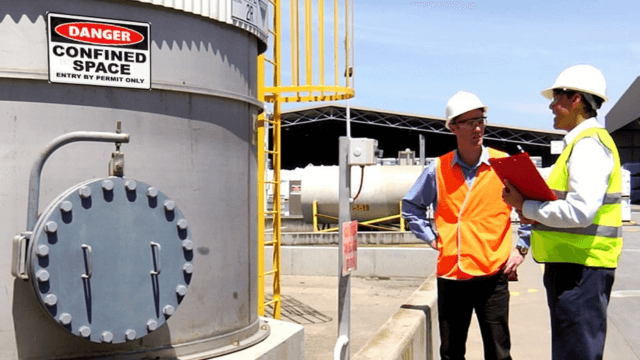
Confined spaces pose unique challenges and risks that demand specialised skills and training to navigate safely. Confined spaces are ubiquitous across various industries, from industrial facilities to construction sites.
However, they require meticulous planning, proper equipment, and skilled personnel to mitigate potential hazards effectively. This blog post delves into the importance of confined space training in enhancing skills and ensuring safety in high-risk environments.
Contents
Understanding Confined Spaces
Before delving into the significance of confined space training, it’s crucial to grasp the concept of confined spaces. A confined space is defined as an area not designed for continuous occupancy, has limited entry and exit points, and may have a risk of engulfment, hazardous atmosphere, or restricted means of entry or exit. Common examples include tanks, silos, sewers, and tunnels.
Risks Associated with Confined Spaces
Navigating confined spaces in industrial settings or construction sites poses many hazards that demand meticulous management to safeguard the well-being of workers. These risks encompass various dimensions, including:
Atmospheric Hazards
The composition of the air within confined spaces can deviate significantly from safe levels, posing grave threats. Toxic gases like carbon monoxide or hydrogen sulphide may accumulate, potentially causing asphyxiation or poisoning. Similarly, insufficient oxygen levels can lead to respiratory distress or loss of consciousness. Additionally, the presence of flammable substances introduces the risk of explosions or fires, amplifying the peril for workers.
Engulfment Hazards
The confined nature of these spaces amplifies the danger of engulfment incidents. Liquids or flowing solids, such as water or grain, can swiftly inundate workers, leading to suffocation or drowning. The inability to escape swiftly exacerbates the gravity of such situations, underscoring the importance of preventative measures.
Physical Obstacles
Constricted passageways, cramped quarters, and low ceilings typify the physical landscape of confined spaces, presenting formidable challenges to workers. Maneuvering within these environments necessitates careful navigation to avert collisions, strains, or falls. Furthermore, slippery surfaces compound the risk of accidents, demanding heightened vigilance and adherence to safety protocols.
Psychological Stressors
Beyond the tangible hazards, confined spaces engender psychological strain that can precipitate adverse reactions. The enclosed environment may induce claustrophobia or anxiety, potentially impairing workers’ cognitive functions and decision-making abilities. Under duress, individuals may succumb to panic, exacerbating the problematic conditions within these spaces.
Mitigating these risks demands a multifaceted approach encompassing rigorous training, robust safety protocols, and state-of-the-art equipment. Employers must prioritise comprehensive risk assessments and implement effective control measures to ensure the welfare of workers operating in confined spaces.
Through proactive vigilance and unwavering commitment to safety, organisations can mitigate the inherent dangers posed by these environments, fostering a culture of well-being and resilience among their workforce.
Enhancing Skills through Confined Space Training
Confined space training is pivotal in equipping workers with the knowledge and skills necessary to identify, assess, and mitigate risks associated with confined spaces. Here’s how much training enhances skills:
Risk Assessment
Confined space training educates workers on conducting thorough risk assessments before entering confined spaces. Trainees learn to identify potential atmospheric, physical, and biological hazards. Trainees can anticipate risks through simulated scenarios and case studies and plan accordingly.
Safe Entry and Exit Procedures
Proper entry and exit procedures are critical for ensuring the safety of workers in confined spaces. Training programs teach participants about using personal protective equipment (PPE), communication protocols, and emergency rescue procedures. Practical exercises allow trainees to practice safe entry and exit techniques under simulated conditions.
Emergency Response
Swift and effective response is essential in an emergency to minimise injuries and save lives. Confined space training includes instruction on emergency response protocols, including evacuation procedures, first aid techniques, and rescue operations. Hands-on training exercises prepare participants to handle various emergency scenarios confidently.
Equipment Familiarization
Working in confined spaces requires specialised equipment such as gas detectors, harnesses, and communication devices. Training programs familiarise participants with the proper use, maintenance, and inspection of this equipment. By gaining hands-on experience with equipment during training, workers develop proficiency in its operation, reducing the risk of errors in the field.
Teamwork and Communication
Effective teamwork and communication are essential for safe operations in confined spaces. Training programs emphasise the importance of clear communication, task allocation, and coordination among team members. Through group exercises and simulations, participants learn to work collaboratively to overcome challenges and ensure everyone’s safety.
Expanding Training Programs
In today’s rapidly evolving work environment, confined space training programs must adapt to emerging technologies and best practices. For instance, incorporating virtual reality (VR) simulations offers a realistic and immersive learning experience without exposing trainees to actual risks. VR simulations can recreate various confined space scenarios, allowing participants to practice skills and decision-making in a controlled environment.
Furthermore, continuous professional development ensures workers remain updated with the latest safety protocols and regulations. Advanced training modules, workshops, and refresher courses can allow experienced workers to hone their skills, exchange knowledge, and stay abreast of industry trends.
Beyond Safety: Enhancing Productivity and Efficiency:
While the primary goal of confined space training is to promote safety, its benefits extend beyond accident prevention. A well-trained workforce is also more productive, efficient, and cost-effective. Workers confident in their abilities and equipped with the necessary skills can perform tasks more effectively, reducing downtime and enhancing operational efficiency.
Moreover, a proactive approach to safety, facilitated by comprehensive training, can lead to long-term cost savings for organisations. By preventing accidents, injuries, and regulatory violations, businesses can avoid costly legal fees, insurance claims, and damage to reputation. Investing in confined space training is a moral imperative and a sound business decision.
Challenges and Considerations
Despite its numerous benefits, implementing confined space training programs can pose challenges for organisations. Limited resources, time constraints, and resistance to change are common obstacles that must be addressed. However, these challenges can be overcome through effective leadership, stakeholder engagement, and strategic planning.
Additionally, ensuring the sustainability and effectiveness of training programs requires ongoing evaluation and improvement. Organisations should regularly review training curricula, solicit participant feedback, and benchmark against industry standards to identify areas for enhancement. Organisations can continuously refine training initiatives to adapt to evolving safety requirements and maintain a culture of excellence in confined space operations.
Conclusion
Confined space training is a cornerstone of workplace safety, empowering workers to navigate hazardous environments confidently and competently. By enhancing skills such as risk assessment, emergency response, and teamwork, training programs mitigate the inherent risks associated with confined spaces, preventing accidents and saving lives.