Elevating Dealership Listings through Professional Car Photography
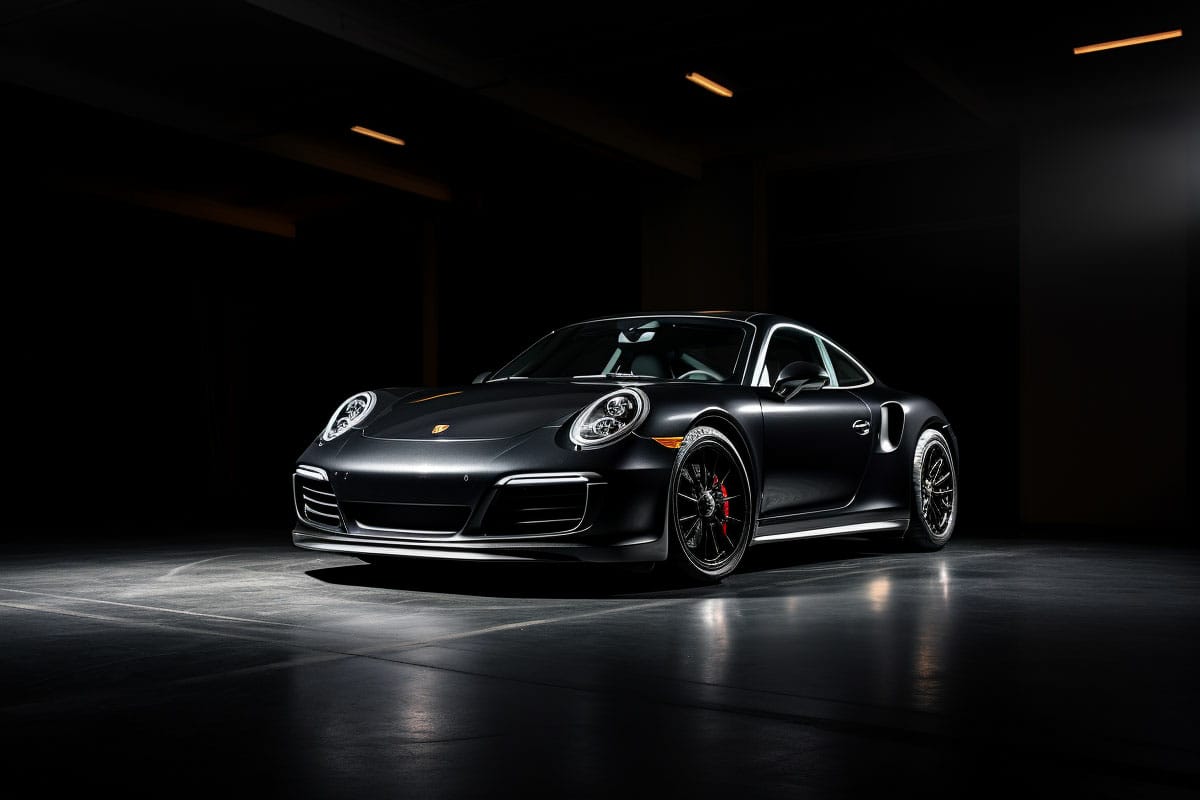
If a picture is worth a thousand words, the photos in your dealership’s online and print listings speak volumes to potential buyers browsing vehicles. As an automotive marketing professional with over 15 years enhancing presentation and marketability of inventory, I’ve seen firsthand the impact imagery has on capturing attention, accurately conveying details, sparking emotional appeal, and ultimately driving sales.
While most dealerships simply use hastily shot photos with inconsistent lighting and angles, those who invest in commercial equipment and professional photography set themselves apart. The proof is in the data—listings with high-quality, custom-composed images receive up to 200% more engagement across online and print mediums. This significant difference demonstrates the power of showcasing vehicles in their best light.
Professionally Capturing First Impressions
In the automotive shopping journey, vehicle photos often serve as the first visual introduction during initial online research stages. With the popularity of marketplaces like AutoTrader and Cars.com, buyers are presented with endless browsing options. Dealerships therefore have mere seconds to catch a shopper’s eye as they scan listings.
The right imagery immediately directs attention to stand-out features, creates desire, and differentiates your listings from the competitive pack. For example, shooting from low angles helps accentuate aggressive lines and silhouettes on sport models, while specialized lighting techniques showcase gleaming paint finishes. Distinctive and striking photos entice buyers to linger a little longer and explore what sets your lineup apart.
Mastering Light and Angles
Simply pointing and shooting does not cut it anymore when creating compelling dealership listings. Professional automotive photographers carefully select locations, position subjects, and leverage advanced equipment to spotlight selling points through lighting and framing techniques. Here are some photography best practices I recommend for enhancing vehicles across various mediums:
- Natural vs. Artificial Light: While shooting outdoors can provide ample bright lighting, positioning cars in controlled studio conditions allows for more consistency across images. I suggest blending strobe lights, continuous lighting, reflectors and diffusers to achieve the optimal balance of illumination. This showcases exterior curves and details that may otherwise get drowned out by harsh shadows or bright sunlight.
- Mix Up Shooting Angles: Capturing the usual front and side profiles provides familiar vantage points, but including unconventional low, high, and wide angles make for much more captivating presentations by introducing new dimensionality. Getting down to bumper level, for example, accentuates the aggressive stance of sports coupes. Similarly, positioning right behind taillights emphasizes their unique shape and LED signatures at night. Wider environmental shots establish lifestyle appeal.
- Open All Doors: Rather than keeping doors closed, opening them fully unveils interior design and quality. Door jamb shots are hugely beneficial for luxurious brands, drawing attention to refined cabins. This view highlights everything from color-matched interiors, to seat materials and stitching. Additionally, opening doors minimizes distracting reflections that may appear on windows from certain angles.
- Resolve Processing and Touch-ups
In today’s digital age, the car photography process does not end once the shots are captured. Post-processing editing allows for color correcting clarity, adjusting bright contrasts, and subtle touch-ups that take presented vehicles to the next level. When done effectively, this post work removes minor flaws while keeping images looking natural.
For example, minor paint buffer swirls or transport scratches can get retouched without trace. Chromatic aberration and lens distortion also commonly get resolved in post. The finishing touches might increase brightness on wheel accents, or incorporate selective saturation to establish accurate color tones. While heavy-handed editing should be avoided, leveraging this digital darkroom stage pays measurable dividends.
Conveying Stand-Out Attributes
A common pitfall I observe on dealership sites and listings is relying on generic stagnant images copied year over year without much thought. Yet each vehicle has unique selling points and attributes to leverage, from the latest safety and technology packages, to custom upholstery and badging. Beyond accentuating looks, quality photos also communicate mechanical details, innovative features and dealer customization.
For truck ads, get interior shots highlighting bed liners or towing packages. Capture seating arrangements in vans and highlight infotainment screens. Showcase brand logos and model names on exteriors and steering wheels. The right imagery conveys what sets your lineup apart from competitors and gives buyers more reasons to choose your inventory.
Elevating Brand Image with Consistency
Investing in professional photography extends beyond improving individual listings—it enhances overall brand identity, instills consumer trust, and communicates consistent dedication to quality presentation. Establishing a signature style across all vehicle photos, campaigns and communications projects an aligned identity consumers recognize instantly.
Maintaining color accuracy, angles, and lighting consistency also demonstrates attention to detail that buyers value from reputable establishments. Just as professional photos depict cars in their best possible condition, the images themselves need to align with that premium positioning. Demonstrating this commitment, even in the photography, conveys to car buyers that they can expect a higher caliber experience.
The Significant Impact of Image Quality
In today’s crowded digital marketplace, leveraging professional photography is no longer optional—it’s essential for dealers aiming to highlight inventory, while conveying a reputation for quality presentation and experiences. The data speaks volumes, with enhanced images repeatedly demonstrating increased engagement and driving sales.
Yet simply recognizing the returns isn’t enough. Dealers need to fully commit the resources to optimize their visual assets. That means investing in pro lighting gear and high-end cameras, retouching through post-processing, capturing specialty angles, opening all doors to highlight interiors, and conveying stand-out features consumers crave.
Attention spent enhancing photography pays exponential dividends in the form of elevated brand recognition, lasting first impressions that capture attention in those critical browsing seconds, and most importantly—increased sales from buyers inspired to learn more. Simply put, professional photos sell cars at a higher rate. In such a visually-driven industry, quality imagery signifies an equally discerning business behind the camera.