Debunking 5 Common Myths about Honey and Honey Products
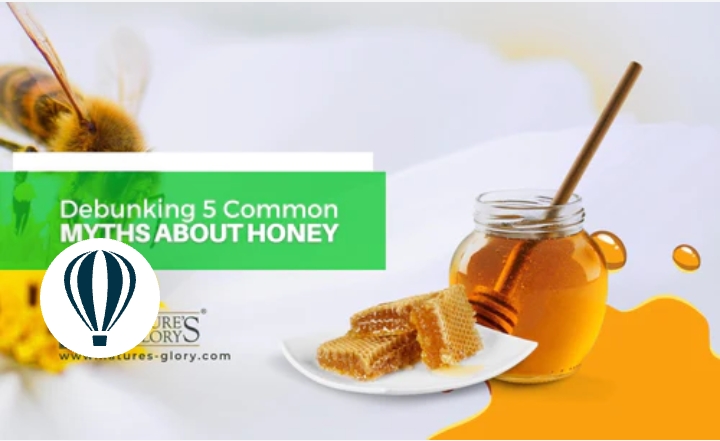
Renowned for its natural sweetness and rich flavor, honey has found its way into every house. Its appeal extends beyond just food, as it has been used in medicinal practices for centuries and is renowned for its potential health benefits and soothing properties. The global fascination with it is deeply rooted in its historical significance, its presence being traced back to ancient civilizations where it was cherished as a precious gift from nature. However, despite its esteemed reputation, honey is not exempt from misconceptions that have permeated through time.
Contents
The Misconceptions Surrounding Honey Products
Honey Never spoils
A belief deeply ingrained in popular consciousness originates in the remarkable longevity of honey found in ancient tombs and archaeological sites. The idea that honey can withstand the test of time without any degradation is due to its inherent preservative qualities. Nonetheless, it is essential to clarify that while honey does have an impressive shelf life, it is not impervious to changes over time.
Contrary to the myth, honey can undergo a natural process called crystallization, transforming from a liquid state into a semi-solid form. This phenomenon, known as granulation, is influenced by the specific floral source, temperature fluctuations, and the ratio of glucose to fructose in the honey.
As honey Tupelo is known for its slow crystallization process, its texture remains smoother for longer periods compared to other honey varieties.
All honey is the same
Contrary to the myth, honey comes in many varieties, each with unique characteristics. From the delicate and floral notes of acacia honey to the robust and earthy tones of buckwheat honey, the flavor profiles of different honey types can vary greatly. The color of honey also varies, influenced by factors such as the nectar source and processing methods. Additionally, the nutritional composition of honey can differ depending on the floral source, with some varieties being richer in specific vitamins, minerals, and antioxidants.
Among the popular honey varieties, Honey Tupelo stands out for its exquisite taste. Derived from the nectar of the white tupelo tree blossoms, this honey variety boasts a buttery and delicate flavor with hints of floral sweetness.
Opt for raw and unfiltered honey, as these varieties retain more of the natural enzymes, antioxidants, and pollen present in the honey. Look for honey that is produced locally or sourced from reputable beekeepers to ensure its authenticity and support sustainable beekeeping practices. Honey for sale near you can often be found at farmers’ markets or specialty stores, providing an opportunity to discover unique and regional honey varieties.
Raw honey is always better than processed honey
The belief that raw honey is inherently superior stems from the notion that minimal processing preserves its natural enzymes, antioxidants, and beneficial properties. If you’re searching for raw honey for sale, you should take into account that it retains a richer profile of these health-promoting substances than its processed counterparts. This perceived superiority has driven a growing demand for raw honey, emphasizing its unaltered state closer to what nature intended.
Various processing techniques exist in the honey industry, each with its own effects on the final product.
- Filtration, for instance, is a common method used to remove impurities such as wax particles and bee debris from honey. This process does not significantly alter the composition or nutritional value of honey, but it may result in a clearer appearance.
- Another processing technique involves pasteurization, which aims to eliminate potential contaminants and extend the shelf life of honey. Pasteurization involves gentle heating, and it is designed to minimize changes to the honey’s properties and maintain its natural characteristics.
Honey loses its nutritional value when heated
When honey is heated, particularly at higher temperatures, it can indeed experience some degradation of heat-sensitive components. Enzymes, such as diastase and invertase, which contribute to its digestion and sweetness, respectively, may be affected by excessive heat. Certain vitamins and antioxidants in honey, such as vitamin C and phenolic compounds, can be susceptible to heat-induced degradation.
Yet, the nutritional value extends beyond these heat-sensitive components. Honey remains a rich source of carbohydrates, providing quick energy and acting as a natural sweetener. It contains trace amounts of minerals, including potassium, calcium, and magnesium, as well as antioxidants that contribute to overall health and well-being. Even when heated, it retains its innate sweetness.
To preserve nutritional quality, proper storage and usage practices are needed. Storing honey products in a cool and dry place, away from direct sunlight and moisture, helps maintain their integrity and prevent the onset of crystallization. It is advisable to tightly seal the honey jar after each use, preventing moisture absorption and potential contamination.
Beekeeping is harmful to bees and the environment
Commercial beekeeping practices, which often prioritize honey production and crop pollination, have been associated with certain issues, such as the overuse of pesticides and the transportation of bees over long distances. These practices can potentially disrupt bee health, contribute to habitat loss, and increase the risk of disease transmission among bee colonies.
However, it is important to distinguish between commercial beekeeping and sustainable beekeeping methods that prioritize the well-being of bees and the conservation of ecosystems. It involves practices that avoid the use of synthetic pesticides and emphasizes the conservation of natural habitats.
Sustainable beekeeping offers various benefits to both bees and the atmosphere. The suitable habitats and diverse forage sources create thriving ecosystems that support the health and vitality of bee colonies. This, in turn, enhances pollination services and promotes biodiversity, contributing to the overall health of ecosystems. Sustainable beekeeping practices also emphasize the selective breeding of resilient bee populations, which can help combat challenges such as pests, diseases, and climate change impacts.
Individuals can take several steps to support local beekeepers and promote bee-friendly practices. One way is to purchase honey products from local beekeepers who prioritize sustainable beekeeping methods. Consumers can directly contribute to the growth and success of these environmentally conscious beekeepers.
Further, supporting initiatives that advocate for the protection of bees and their habitats, such as bee conservation organizations and educational programs, can help raise awareness about the importance of sustainable beekeeping practices.
Takeaway
Honey products, such as the exquisite Honey Tupelo, offer a myriad of benefits that make them a valuable addition to our diets. Despite the misconceptions surrounding honey, it is important to recognize its versatility, nutritional value, and cultural significance.
We should appreciate honey for what it truly is—a remarkable natural product that offers both taste and nourishment.