Choosing the Right Freight Transportation Service for Your Business
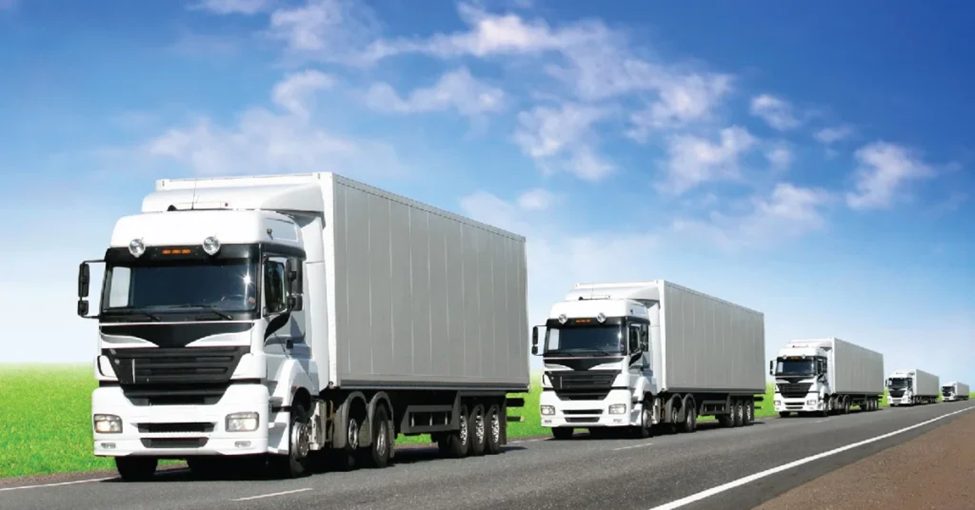
Freight transportation services are essential for businesses that move goods from one location to another. Whether shipping products across the country or importing materials from overseas, choosing the exemplary freight transportation service is crucial for your business’s success. This article will guide you through the process of selecting the best option for your needs.
Contents
- 1 Understanding Different Types of Freight Transportation Services
- 2 Factors to Consider When Choosing a Freight Transportation Service
- 3 Advantages of Using Freight Transportation Services
- 4 Challenges of Freight Transportation Services
- 5 Tips for Selecting the Best Freight Transportation Service
- 6 Conclusion
Understanding Different Types of Freight Transportation Services
Freight transportation services come in various forms, each with its unique benefits and challenges. The main types include:
Road Freight
Road freight is one of the most common transport methods, especially for short to medium distances. It involves using trucks and vans to move products from one location to another. Road freight is ideal for businesses that need flexible and timely deliveries.
Rail Freight
Rail freight is a cost-effective option for transporting large goods over long distances. Trains can carry heavier loads than trucks and are more fuel-efficient, making them an environmentally friendly choice. However, rail freight may not be as flexible as road freight regarding delivery times and locations.
Air Freight
Air freight is the fastest transport method, making it ideal for time-sensitive shipments. While it is more expensive than other methods, air freight ensures that products reach their destination quickly and efficiently. It’s beneficial for high-value or perishable items.
Sea Freight
Sea freight is the most cost-effective way to transport large quantities of goods over long distances, especially internationally. Although it takes longer than air freight, it is significantly cheaper and can handle larger volumes. Sea freight is ideal for businesses that are not under tight time constraints.
Intermodal Freight
Intermodal freight combines two or more transportation modes, such as rail and truck, to move goods. This method offers flexibility and cost savings by leveraging the strengths of each mode. Intermodal freight suits businesses looking for a balance between cost and efficiency.
Factors to Consider When Choosing a Freight Transportation Service
Selecting the right freight transportation service requires careful consideration of several factors:
Cost
Cost is a significant factor for most businesses when selecting a freight transportation service. Different modes of transport come with varying price tags, so balancing cost and service quality is essential. Road and sea freight are generally cheaper, while air freight is more expensive but faster.
Delivery Speed
The speed of delivery is crucial for businesses that deal with perishable goods or time-sensitive products. If quick delivery is a priority, air freight is the best option. Road, rail, or sea freight may be more appropriate for less urgent shipments.
Reliability
Reliability refers to the consistency and dependability of the freight transportation service. A reliable service ensures that your goods arrive on time and in good condition. Researching the service provider’s track record and customer reviews can give insights into their reliability.
Capacity
The capacity of the transportation service is another critical factor. If your business needs to ship large volumes of goods, choosing a service with sufficient capacity is essential. Rail and sea freight typically offer higher capacity than road and air freight.
Geographical Reach
The geographical reach of the freight transportation service is essential, especially for businesses that operate internationally. Ensure that the service provider can deliver to your desired locations domestically or globally.
Environmental Impact
As businesses become more environmentally conscious, the environmental impact of freight transportation services is gaining importance. Rail and sea freight are generally more eco-friendly than road and air freight. If sustainability is a priority for your business, consider choosing a greener option.
Customer Service
Good customer service can significantly impact your overall experience with a freight transportation service. Providers with responsive and helpful customer service teams can address issues quickly and efficiently, ensuring smooth operations.
Advantages of Using Freight Transportation Services
Using freight transportation services offers numerous benefits to businesses, including:
Cost Savings
By outsourcing transportation, businesses can save on the costs of owning and maintaining their fleet. Freight transportation services provide access to efficient logistics networks, saving costs.
Scalability
Freight transportation services offer scalability, allowing businesses to adjust their shipping volumes according to demand. This flexibility is particularly beneficial for companies with fluctuating needs.
Expertise and Experience
Freight transportation companies have the expertise and experience to handle complex logistics. They can navigate customs regulations, optimize routes, and manage risks, ensuring that goods are transported efficiently and safely.
Focus on Core Business
Outsourcing transportation allows businesses to focus on their core activities, such as production, marketing, and customer service. This can lead to increased productivity and growth.
Access to Advanced Technology
Many freight transportation services invest in advanced technology, such as GPS tracking and automated systems, to improve efficiency and transparency. Businesses can benefit from these innovations without the need for significant investments.
Challenges of Freight Transportation Services
While there are many advantages to using freight transportation services, there are also challenges that businesses should be aware of:
Delays
Delays can occur due to various reasons, such as weather conditions, traffic, or customs issues. These delays can disrupt supply chains and affect business operations.
Costs
Although outsourcing transportation can save costs, it can also lead to additional expenses, especially if unexpected issues arise. Businesses need to budget for potential extra costs.
Complex Regulations
Freight transportation involves navigating complex regulations, particularly for international shipments. Compliance with these regulations requires time and expertise.
Risk of Damage or Loss
There is always a risk of goods being damaged or lost during transit. Businesses need to ensure that their freight transportation service provider has adequate insurance and handling procedures.
Tips for Selecting the Best Freight Transportation Service
Choosing the right freight transportation service can be challenging, but these tips can help make the process easier:
Define Your Needs
Clearly define your business’s transportation needs, including the type of goods, volume, delivery times, and budget. This will help you narrow down your options.
Research Providers
Conduct thorough research on potential service providers. Look for reviews, testimonials, and case studies to gauge their performance and reliability.
Compare Quotes
Obtain quotes from multiple providers to compare prices and services. Ensure that you understand what is included in each quote to make an informed decision.
Check Credentials
Verify the credentials of the freight transportation service, such as licenses, certifications, and insurance coverage. This ensures that you are working with a reputable and qualified provider.
Evaluate Technology
Consider the technology used by the service provider. Advanced tracking systems and automated processes can enhance efficiency and provide real-time updates.
Test the Service
If possible, conduct a trial run with the service provider to assess their performance. This will give you a better idea of their capabilities and reliability.
Negotiate Contracts
Negotiate contract terms to secure favorable conditions, such as flexible payment options and service level agreements. Ensure that all terms are clearly documented.
Conclusion
Choosing the right freight transportation service is a critical decision for any business that relies on the movement of goods. By understanding the different types of freight transportation services, considering key factors, and following practical tips, businesses can find a provider that meets their needs. Ultimately, the right freight transportation service can enhance efficiency, reduce costs, and support business growth.