Chemical Imaging Systems: Visualizing Composition for Analytical Insights
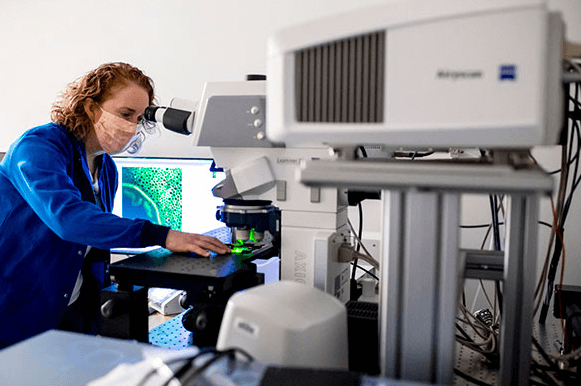
Chemical imaging helps scientists see and understand what things are made of. It’s like a combination of fancy glasses and a high-tech camera that shows you the tiny details and the big picture of different materials. By using this cool tool, scientists can figure out what chemicals are in a sample and where they are located.
In this article, you’ll dive into the world of chemical imaging systems. You’ll learn about how they work, what they’re used for, and how they help you learn more about the stuff all around you.
Contents
Understanding Chemical Imaging
Chemical imaging involves obtaining spatially resolved information about the chemical composition of a sample. It goes beyond traditional imaging techniques by providing both visual and chemical data, allowing for a comprehensive understanding of the material being analyzed.
Also, it utilizes various spectroscopic methods, such as infrared spectroscopy, Raman spectroscopy, and mass spectrometry. This is to identify and map the chemical constituents within a sample. In a chemical imaging system, a sample is illuminated with a specific type of radiation. An example is light or X-rays, depending on the technique being used.
The interaction between the radiation and the sample generates a unique response. It reveals the chemical composition and structure. The resulting data is then processed to create images. Also, maps that display the spatial distribution of different chemical components within the sample.
Applications of Chemical Imaging
Chemical imaging has found applications in a wide range of fields in which each benefits from its ability to provide detailed chemical information in a spatial context. Here are some key applications:
Pharmaceutical Industry
In the world of making medicines, chemical imaging is a crucial tool! It’s like a detective that helps ensure the quality and effectiveness of the drugs you use. This special technique lets scientists peek inside a pill or capsule to see what it’s made of. They can check if the important ingredients are spread out right and if any unwanted stuff is hanging around.
Food and Beverage Industry
Chemical imaging is crucial for food and beverage quality assessment. It helps in monitoring the distribution of ingredients, detecting contaminants, and ensuring compliance with regulatory standards. By visualizing the composition of food products, manufacturers can improve production processes and enhance product safety.
Materials Science
Chemical imaging helps scientists delve into the essence and structure of materials. It examines materials like plastics, sophisticated blends, and minuscule substances. Using this remarkable tool, researchers can decode the makeup of these materials. Also, understand their organization and spot any flaws or irregularities.
Environmental Science
Chemical imaging helps scientists investigate and understand yucky stuff like pollutants and contaminants in your surroundings. They use this special tool to see where these harmful things are hiding in the soil, water, and air.
Biomedical Research
Chemical imaging helps scientists explore the tiny details of your body. Examples are tissues, cells, and even the tiniest building blocks of life. This special tool is a key that unlocks secrets about diseases. Also, medicines and how your body works on a super small scale.
Advancements in Chemical Imaging Systems
Technological advancements have significantly enhanced the capabilities of chemical imaging systems. Modern systems offer higher spatial resolution, faster data acquisition, and improved sensitivity, enabling researchers to analyze samples with greater detail and accuracy.
In addition, advancements in machine learning and data analysis techniques have facilitated more sophisticated data processing and interpretation. This further enhances the insights obtained from chemical imaging.
The Evolution of Chemical Imaging Systems
Chemical imaging systems are changing the game in how you study and know what stuff is made of. They’re not just for one industry—they’re like a universal toolkit that helps scientists in many fields. Whether unraveling mysteries, ensuring things are top-notch, or finding solutions to problems, these systems are always ready to lend a hand.