
Can Proper Dental Care Prevent Oral Health Issues? Understanding the Role of Prevention
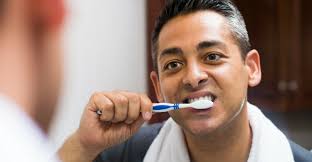
Dental health is integral to a person’s overall well-being, and a healthy mouth is necessary to maintain a confident smile and a pleasant lifestyle. When you neglect your oral health, you expose yourself to dental problems that can be uncomfortable, limiting, and expensive in the long run, affecting your overall well-being. Therefore, it’s wise to take proactive affordable dental care focused on prevention to protect your oral health in the long run. Below, you’ll learn about the importance of prevention in dental care and how it protects you from oral health conditions.
Contents
How Important Is Oral Health?
Oral health involves the care of gums, teeth, and other oral tissues. These health problems are often due to poor oral hygiene, leading to tooth decay, gum disease, bad breath, tooth loss, and, worst cases, oral cancer. In addition, studies have found a link between poor dental hygiene and systemic diseases such as diabetes, respiratory infections, and cardiovascular disease. These correlations make it clear how vital oral hygiene is for overall well-being.
Understanding Preventive Measures
Preventive measures entail a mix of home oral hygiene and frequent dental visits that include:
- Oral Hygiene Techniques
Regular brushing and flossing are essential parts of an oral hygiene routine that help remove plaque, a sticky bacterial coating that accumulates on teeth. Brushing teeth with fluoride toothpaste at least twice a day and flossing properly can help remove plaque, preventing gum disease and the development of cavities. In addition, mouthwash can improve dental health by reducing bacteria and freshening breath.
- A Balanced Diet
A nutrient-rich diet is essential for good dental health. A healthy diet of minerals, fiber, and vitamins can contribute to healthy gums and teeth. You should avoid acidic foods and sugary drinks and foods, as they can harm your teeth. Drinking enough water during the day will also stimulate saliva production, which will help neutralize acid and promote dental health.
- Regular Dental Checkups
Regular dental exams are an essential part of preventive care. Dentists can detect early warning signs of dental problems, perform expert cleaning to remove stubborn tartar and plaque, and offer advice on ideal oral hygiene. Regular visits allow dentists to take care of problems quickly and perform preventive measures such as fluoride treatments and sealants to protect teeth from decay.
- Safety Precautions
Preventive measures, such as using a mouth guard during sports activities or a night guard to avoid teeth grinding, help protect your teeth from trauma that can potentially damage them. These shields help prevent dental crises and, in turn, maintain the integrity of your teeth.
The Benefits Of Prevention
Here are some of the benefits of preventive oral hygiene measures
1. Saving Costs
Preventive dental care not only protects your teeth from damage, but it’s also affordable. You can reduce the need for costly dental procedures by taking preventive measures and practicing good oral hygiene. Regular dental checkups and preventive treatments are far less expensive than restorative procedures or dentures.
2. Better Oral Health
Consistent preventive treatment can lead to better oral health. Proper oral care and preventive measures can reduce the likelihood of developing dental diseases such as gum disease, tooth decay, or enamel deterioration. Those with excellent dental health can have a pain-free, functioning mouth and a confident smile.
3. Improved General Wellness
Oral health is closely related to overall well-being. You can prevent discomfort, suffering, and the potential systemic effects of poor dental health by avoiding oral health disorders. With a healthy mouth, you can achieve a higher standard of living without the limitations and inconveniences caused by oral health disorders. Additionally, studies have shown that good dental health is associated with higher self-esteem, social bonds, and overall mental health.
4. Prolonged Life Of Natural Teeth
Continuous care of natural teeth is one of the most essential benefits of preventive dental treatment. Proper oral hygiene and regular dental checkups can help you prevent gum diseases and tooth decay, the leading causes of tooth loss. Protecting your natural teeth promotes everyday food intake and digestion and keeps adjacent teeth aligned and stable, minimizing problems resulting from tooth loss.
5. Early Diagnosis Of Dental Problems
Regular dental appointments allow for early diagnosis of any oral health problems. Understand that dentists are trained to recognize indications and symptoms of oral illnesses or anomalies. Further, they can avert potential progression and harm by diagnosing abnormalities in early phases and implementing suitable therapies or remedies. Early identification raises the likelihood of favorable treatment results and reduces the necessity for intrusive treatments.
Preventive oral hygiene measures present multiple benefits, such as financial savings, better dental wellness, general wellness, and protection of natural teeth. As such, it can help you take charge of your oral health for a confident lifestyle. Consider engaging a competent dental practice for a custom guideline on preventive measures for a healthy and beautiful smile.


