Building a Payment App for iOS: A Step-by-Step Guide
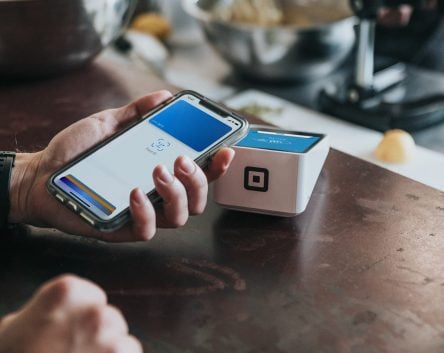
In today’s digital age, payment apps and in-app payment solutions are integral to our daily lives, transforming transactions and financial management. With widespread adoption on iOS devices like iPhones and iPads, seamless and efficient payment experiences are in high demand.
Payment apps provide users with convenient transactions, enhanced security, and empowering businesses. They eliminate the need for physical cash or cards, streamline operations, and offer personalized customer experiences, reducing fraud risk. This reflects the strong demand for payment apps in the market and aligns with projections that the global mobile payment market will reach $607.9 billion by 2030.
In this article, we offer a detailed step-by-step guide on how to create a payment app for iOS. From market research and planning to design, development, security measures, app store submission, and post-launch marketing — we cover the essential aspects of creating a successful iOS payment app.
Step 1: Lay the foundation for successful iOS payment app development with market research and planning
The first crucial step in building iPhone payment applications is conducting thorough market research to gain a deep understanding of user needs, preferences, and market trends.
Gaining user insights through market research
Begin by identifying your target audience and gaining a deep understanding of their payment habits, preferences, and pain points through surveys and focus groups, which will inform the development of your payment app for iOS. Analyze their feedback and behavior patterns to identify the features and functionalities that would provide the most value to them. Consider factors such as demographics, payment behaviors, device preferences, and geographic locations to tailor your app to their needs.
Analyzing competitors and their payment apps
Thoroughly research and analyze your competitors and their payment apps in the iOS market. Study their user interfaces, user experiences, and features to identify potential areas of improvement or differentiation for your app.
Identifying key features and functionalities to include in your payment app
Based on the market research and competitor analysis, identify the key features and functionalities that are essential for your iOS payment app. Consider including essential features such as user registration, payment processing, transaction history, in-app wallet, security measures, push notifications, and more. Prioritize these features based on their relevance to your target audience and potential impact on user experience to create a compelling payment app.
Creating a detailed project plan and timeline
Once you have a clear understanding of user needs, competitor landscape, and the key features of your payment app, it’s time to create a detailed project plan and timeline. A well-structured plan should encompass the different stages of mobile payment app development, including design, development, testing, and deployment.
Step 2: Enhance engagement and usability for your payment app with top-notch UI/UX
The design and user experience (UX) of your iOS payment app play a crucial role in its success. A thoughtfully designed app with an intuitive user interface can greatly enhance user satisfaction and engagement, resulting in increased adoption rates and improved customer retention.
A user-friendly interface is essential for a payment app as it directly impacts the user’s ability to navigate and complete transactions smoothly. The interface of your app should be intuitive, visually appealing, and navigable to ensure a positive user experience.
Choosing the right design elements and color schemes for the app
The choice of design elements and color schemes can greatly influence the app’s overall look and feel. Consider the branding and visual identity of your payment app, and choose design elements and color schemes that align with your brand image.
Wireframing and creating mockups
Before diving into the actual design, it’s crucial to create wireframes and mockups to visualize the layout and flow of your iOS payment app. This step helps you identify any potential issues or improvements in the app’s layout and flow, ensuring a smooth and seamless user experience.
The ease of navigation and user flow within your payment app is essential to provide a smooth user experience. Users should be able to navigate through the app effortlessly and complete transactions with minimal friction. Incorporate intuitive navigation elements such as menus, buttons, and breadcrumbs to guide users through the app’s functionalities. Ensure that the user flow is logical, efficient, and streamlined, with clear prompts and feedback at each step of the payment process.
Step 3: Bringing your payment app to life with efficient development strategies
Building a payment app for iOS is a multifaceted process that requires careful consideration of various aspects of payment app development. From conceptualizing your app idea to coding and implementation, the development process is crucial. Here are some key points to keep in mind during the payment app development journey for iOS:
Selecting appropriate development tools and technologies for iOS application development
When developing your iOS app, it’s recommended to leverage specialized tools and technologies like Xcode, Swift, and SwiftUI, which are tailored for iOS app development. These powerful tools provide a streamlined and efficient development environment to create top-notch iOS apps effortlessly.
Hiring skilled iOS app developers
If you lack the necessary skills or resources in-house, it may be worth considering outsourcing your app development to a reputable company for a smoother experience. Skilled iOS app developers can bring their expertise to the table and ensure your app is built to industry standards and best practices.
Creating front-end and back-end components
The front-end and back-end components of your iOS payment app are essential for its functionality and performance. The front-end component involves creating the user interface and user experience elements, while the back-end component entails developing server-side logic and integrating with databases and APIs. Ensure that both components are well-coordinated and work seamlessly together to provide a smooth and efficient payment process for users.
Integrating payment gateways and ensuring secure transactions
Ensure your app integrates with trusted payment gateways supporting multiple payment methods, such as credit cards, mobile wallets, and other popular options.
Testing the app thoroughly for bugs and issues
Conduct comprehensive testing on different devices, operating systems, and network environments to ensure that the app performs flawlessly in various scenarios. Address any identified issues promptly to ensure a smooth and reliable user experience.
Step 4: Implementing security measures to safeguard user data
Security is of utmost importance in payment app development, as it involves handling sensitive user data and facilitating financial transactions. Consider the following:
Implementing strong security measures to protect user data
One of the top priorities in payment app development is protecting user data. To maximize security, integrate robust measures such as multi-factor authentication, secure login credentials, and user authentication protocols into your app. These measures protect against unauthorized access and safeguard sensitive user information, including payment card details, personal information, and transaction history.
Incorporating encryption protocols to safeguard sensitive information
Encryption ensures that data transmitted between the app and the server is unreadable to unauthorized parties. To safeguard user data from potential cyber threats, it’s essential to utilize industry-standard encryption protocols like SSL/TLS.
Maintaining data protection compliance
Ensure your payment app complies with applicable laws and regulations, such as GDPR, PCI-DSS, and other relevant regulations in your target market.
Regularly updating the app to patch security vulnerabilities
Cyber threats and security vulnerabilities are constantly evolving, and it’s essential to stay proactive in addressing them. Regularly update your iOS payment app with the latest security patches, bug fixes, and updates to ensure that known security vulnerabilities are addressed promptly. Stay vigilant in monitoring and addressing potential security risks to maintain a secure and reliable payment app for your users.
Step 5: Getting your iOS payment app ready for distribution with App Store submission
After developing and thoroughly testing your iOS payment app, the next step is to submit it to the Apple App Store for distribution to your users:
Preparing the app for submission to the Apple App Store
Ensure that the app meets Apple’s guidelines and requirements, including design standards, performance, and functionality. Non-compliance may result in app rejection or removal from the App Store.
Testing the app on different iOS devices to ensure compatibility
It’s essential to thoroughly test your iOS payment app on different iOS devices, including iPhones, iPads, and iPod Touch, to ensure compatibility and optimal performance. This helps in ensuring that your app works seamlessly across a wide range of iOS devices, providing a positive user experience.
Uploading the app for App Store Review and awaiting approval
Once your app is prepared and tested, you can submit it to the App Store for review. After submission, the app goes through Apple’s review process, which may take some time. After receiving approval, your app will be available for download on the App Store, allowing you to begin promoting and marketing it to attract users.
Step 6: Maximizing the reach and impact of your payment app with post-launch marketing
Once your iOS payment app is successfully launched on the App Store, the work doesn’t end there. Post-launch marketing and promotion will help maximize the reach and impact of your app:
- Create a marketing plan: Formulate a comprehensive marketing strategy that delineates your approaches and tactics for promoting your app. Customize your marketing endeavors to align with your target audience.
- Make the most of social media and digital marketing: Utilize platforms, channels, and methods like paid ads, content marketing, email campaigns, and influencer collaborations.
- Monitor app performance: Continuously monitor your app’s performance, including downloads, user engagement, retention, and revenue. Extract valuable insights from user behavior and preferences data. Utilize these insights to optimize your marketing strategies and enhance app features for improved user engagement.
- Enhance app reputation: Encourage satisfied users to leave reviews and ratings on the App Store, which can enhance your app’s reputation and attract more potential users. This can lead to increased trust among potential users, ultimately driving more downloads and usage.
- Stay updated with market trends: Stay updated with the latest trends in the payment app market, including new features, functionalities, and user expectations.
Final thoughts
Creating a payment app for iOS is a multifaceted process that involves careful planning, thoughtful design, skilled development, robust security measures, and effective marketing efforts. Make sure to prioritize user-friendly design, robust security measures, and effective marketing strategies to maximize your app’s impact. With dedication and continuous improvement, your iOS payment app has the potential to thrive in the competitive app market and provide a seamless payment experience for users.