Beyond Cars and Tracks: The Evolution of VR Racing Experiences
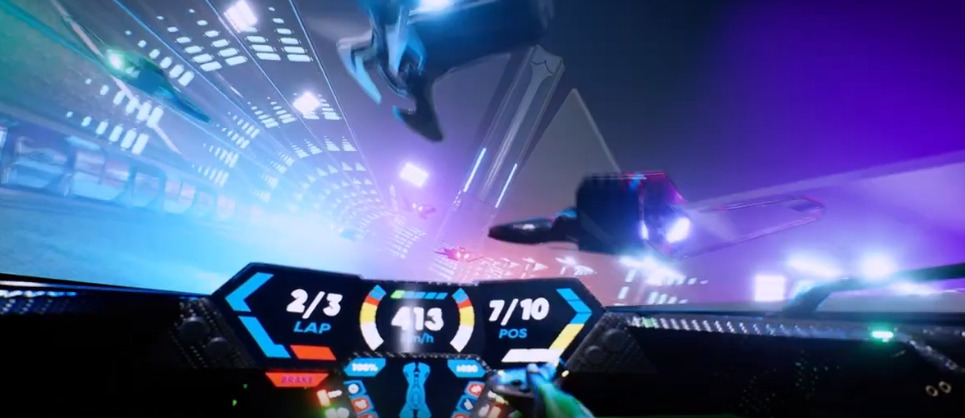
The genre of vr racing game has evolved dramatically, stepping beyond traditional cars and tracks to offer diverse immersive experiences. This journey into virtual reality racing reveals how it has expanded the limits of conventional racing games, bringing new dimensions to the thrill of speed and competition.
Contents
- 1 The Early Days of VR Racing
- 2 Breaking the Mold: Diverse Environments and Vehicles
- 3 Enhanced Realism and Immersion
- 4 The Thrill of Multiplayer Racing
- 5 Accessibility and Customization
- 6 The Role of VR in Professional Training
- 7 Embracing New Technologies and Sensory Experiences
- 8 The Impact of VR Racing on Accessibility and Inclusivity
- 9 Challenges and the Road Ahead
- 10 Conclusion
The Early Days of VR Racing
Initially, VR racing was primarily an extension of traditional racing games, replicating familiar cars and tracks in a more immersive environment. Players could feel like they were really behind the wheel, experiencing the rush of racing more viscerally. However, as VR technology advanced, developers began to see the potential for far more varied experiences.
Breaking the Mold: Diverse Environments and Vehicles
Today’s VR racing games break free from the mold of traditional racing. Developers are creating games set in fantastical environments, from futuristic cityscapes to alien planets. Moreover, the range of vehicles has expanded dramatically. Players can now find themselves piloting everything from high-speed hovercrafts and spaceships to mythical creatures, offering a variety of racing experiences that challenge the imagination.
Enhanced Realism and Immersion
Advancements in VR technology have dramatically enhanced the realism and immersion of racing games. Modern VR headsets offer high-resolution graphics and responsive head-tracking, making the experience incredibly lifelike. Incorporating realistic physics engines means that every turn, acceleration, and collision feels true to life, adding depth and engagement that traditional racing games can’t match.
The Thrill of Multiplayer Racing
Multiplayer functionality has brought a new level of excitement to VR racing. Players from all over the world can compete against each other in real-time, adding a competitive edge that goes beyond AI opponents. These multiplayer races can create a sense of community and rivalry, making each race an unpredictable and thrilling experience.
Accessibility and Customization
Accessibility and customization have become key features in VR racing games. Adjustable settings and assistive controls make these games accessible to players of all skill levels. At the same time, customization options allow players to tailor their racing experience, from modifying vehicles to choosing their preferred racing environments. This inclusivity has broadened the appeal of VR racing games, attracting a wider audience.
The Role of VR in Professional Training
Interestingly, VR racing is not just about entertainment. It’s also being used for professional training purposes. Real-world racers and pilots are using VR simulations for practice, as they can mimic real-life conditions without the associated risks or costs. This practical application of VR racing technology demonstrates its value beyond gaming.
Embracing New Technologies and Sensory Experiences
A significant advancement in VR racing is the integration of new technologies that enhance sensory experiences. Developers are experimenting with haptic feedback systems, where players can feel vibrations and impacts, mimicking the physical sensations of real-life racing. Additionally, advancements in sound design are being utilized to create more immersive auditory environments, further enhancing the realism of the VR racing experience. As these technologies become more sophisticated, they are expected to add new dimensions to gameplay, making the virtual racing experience even more compelling and lifelike.
The Impact of VR Racing on Accessibility and Inclusivity
VR racing also promotes accessibility and inclusivity within the gaming community. These games are becoming tools for people with mobility restrictions, allowing them to experience the thrill of racing in previously inaccessible ways. With customizable controls and adaptable interfaces, VR racing games can be tailored to meet the needs of a diverse range of players, including those with disabilities. This inclusive approach is not only transforming the gaming landscape but also reinforcing the importance of accessibility in game design.
Challenges and the Road Ahead
Despite the excitement around VR racing, there are challenges. The cost of VR equipment and the need for ample physical space can be barriers. Additionally, motion sickness remains an issue for some players. However, these challenges will likely diminish as technology improves, making VR racing more accessible and enjoyable for a wider audience.
Conclusion
The evolution of VR racing games represents a significant leap in virtual entertainment. From integrating new technologies and sensory experiences to emphasizing accessibility and inclusivity, VR racing is redefining what it means to engage in a digital racing experience. As VR technology continues to evolve, the future of VR racing looks bright, promising even more immersive, inclusive, and diverse experiences that push the boundaries of conventional gaming. With these advancements, VR racing is set to remain a dynamic and influential force in virtual reality gaming.