Best Ways to Reduce Fatigue While Using Dental Periosteal Elevator
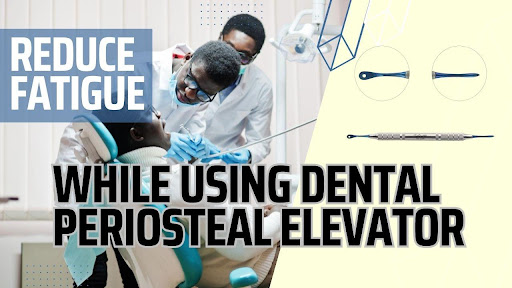
Fatigue is commonly defined as an extreme level of muscle contractions and can easily overwhelm dentists during lengthy procedures. This fatigue is caused by the extra force required to perform surgical procedures. To perform effective surgeries, it’s essential to have quality and well-crafted surgical instruments.
This is also necessary to hold the periosteal elevator correctly or in the right position during surgical procedures. This helps to make clinical practice easier while reducing fatigue. It can also provide the patient comfort with fewer complications.
This blog will examine some of the most beneficial ways to correctly use the surgical periosteal elevator. Ultimately, it assists dental surgeons in performing surgeries efficiently with minor fatigue.
Let’s start with an informative blog!
Contents
Fatigue and Periosteal Elevator- An Overview
Quality dental surgical instruments play an influential role in dentistry. Dentists need precise instruments to perform a variety of dental surgeries. The periosteal elevator is a type of dental instrument that is specifically designed to elevate soft tissue flaps. These tissues undergo periosteum layers and gingiva to reveal the underlying bone.
Dental elevators allow dentists to access hard-to-reach areas. Moreover, they result in less fatigue and help to create space between bones and soft tissues. Eventually, it prevents damage to surrounding tissues or surfaces.
5 Ways to Reduce Fatigue While Using Surgical Periosteal Elevator
There are many ways to reduce fatigue while using a dental surgical periosteal elevator. But here are the most common:
- Proper Technique and Ergonomics
- Using the proper technique and adhering to ergonomic principles is compulsory. This assists in distributing the workload evenly across muscles and joints.
- Holding the periosteal elevator surgical instruments firmly helps control fluid motions and minimize muscle contraction. Ultimately, it helps to reduce strain and fatigue during surgeries.
- Adjust Your Grip
- The periosteal anglevator should be gripped and held firmly during surgical procedures. A firm grip allows dentists to take control of the instrument.
- This prevents the slippage of the periosteal dental elevator and helps to avoid trauma to the surrounding tissues.
- Alternate Your Arm and Hand Position
- Alternating your arm and hand positions helps to avoid trauma between bones and soft tissues.
- Changing between your dominant and non-dominant hands or using various movement patterns can support dentists in avoiding the overuse of specific muscles.
- This approach distributes the workload more evenly and helps to reduce the risk of unnecessary fatigue.
- Maintain the Instrument’s Sharpness
- Ensure that the periosteal elevator’s edge is sharp and well-maintained.
- A dull instrument requires more force to perform the same task, increasing the fatigue risk. Regularly check and sharpen your instruments.
- Consider the Quality of the Instrument
- Instruments such as dental periosteal elevators play a pivotal role in dental surgeries. The quality of the instruments should be standard practice before being brought into surgery.
- Improved and well-crafted periosteal elevator surgical instruments lead to precise movements and reduce tissue damage.
Benefits of Using Quality Instruments in Dental Surgeries
There are numerous benefits of using quality dental surgical instruments. Here are some most common:
- Increased precision: High-quality instruments are made with premium surgical-grade material. This allows for increased accuracy and optimal control during surgery. This can lead to better results with fewer complications.
- Improved safety: Quality instruments are well-crafted with German stainless steel and Tungsten carbide. These can reduce the risk of complications or injury to the patient. They are designed with unique features that make them easier to control and use to improve safety.
Extended lifespan: High-quality instruments are made with durable materials that can withstand the rigors of dental surgery. This means they will last longer and require less maintenance than lower-quality instruments. - Reduced risk of infection: Quality instruments are designed to be easy to clean and sterilize, which can help to reduce the risk of infection. This is especially important in dental surgery, where there is a risk of bacteria entering the bloodstream.
- Improved patient experience: Patients are more likely to have a positive experience if they know their dentist uses high-quality instruments. This is because they can be confident that the dentist uses the best tools to ensure their safety and comfort.
Overall, using quality instruments in dental surgeries can lead to a number of benefits, including increased precision, improved safety, extended lifespan, reduced risk of infection, and improved patient experience.
Final Thoughts!
These periosteal elevator surgical instruments are essential for medical healthcare, providing precision and comfort to the patient in dental surgical procedures. Whether elevating or retracting during tooth extraction, using quality instruments can make all the difference. Ultimately, they ensure that desired results are achieved.
The GerDentUSA we are highly committed to delivering multiple dental surgical instruments. All these instruments are manufactured with premium surgical-grade material. Moreover, they can fulfill the demands of modern dental-surgical requirements.
Our brand aims to provide optimum patients care with the best surgical results. Our surgical instruments aren’t just a set of tools. They restore health and save patients’ lives.
Furthermore, we promise quality surgical tools, reliability, and devotion to your noble career and profession.
Choose us and feel the difference well-designed surgical tools can make in your daily clinical practice!