
Benefits and Risks of Using Margin Trading Facility in India
Contents
- 1 Benefits of Margin Trading Facility in India
- 2 Eligibility criteria for accessing margin trading facility
- 3 Understanding the concept of leverage in margin trading
- 4 Factors influencing the margin requirement in India
- 5 Potential benefits of using margin trading facility in Indian markets
- 6 Risks associated with margin trading facility in India
- 7 Impact of market volatility on margin trading
- 8 Regulatory framework governing margin trading in India
- 9 Tips for managing risks while using margin trading facility
- 10 Comparison of margin trading with other trading strategies in India
Benefits of Margin Trading Facility in India
Margin trading facility in India offers investors the opportunity to amplify their potential returns by leveraging their existing capital. This means that traders can control a larger position size than they would be able to with just their own funds, thereby increasing the profit potential. Additionally, margin trading allows investors to diversify their portfolio without the need for significant upfront capital, enabling them to take advantage of more trading opportunities in the market.
Another key benefit of margin trading facility in India is the ability to hedge existing positions and manage risk more effectively. By using leverage, investors can protect their portfolios from potential losses by opening offsetting positions that act as insurance against adverse market movements. This flexibility not only helps in mitigating downside risk but also provides traders with the opportunity to enhance overall portfolio performance through strategic risk management strategies.
Eligibility criteria for accessing margin trading facility
To access margin trading facility in India, individuals must meet certain eligibility criteria set by the Securities and Exchange Board of India (SEBI) and the respective brokerage firms. Typically, investors need to have a valid trading and demat account with a registered stockbroker to be eligible for margin trading. Additionally, individuals are required to comply with the know your customer (KYC) norms and provide necessary financial documents to prove their financial stability and risk-bearing capacity.
Furthermore, investors must maintain a minimum margin requirement as prescribed by the regulatory authorities and the brokerage firms. This margin amount, which is a percentage of the total transaction value, acts as a security to cover any losses incurred during the trading process. Meeting these eligibility criteria ensures that investors have the necessary financial stability and understanding of the risks involved in margin trading before they can access this facility in the Indian market.
MTF Recommendation In India, investors must meet specific eligibility criteria to access margin trading. This includes having a trading and demat account with a registered stockbroker, complying with KYC norms, and maintaining a minimum margin requirement. These criteria ensure financial stability and risk awareness before engaging in margin trading.
Understanding the concept of leverage in margin trading
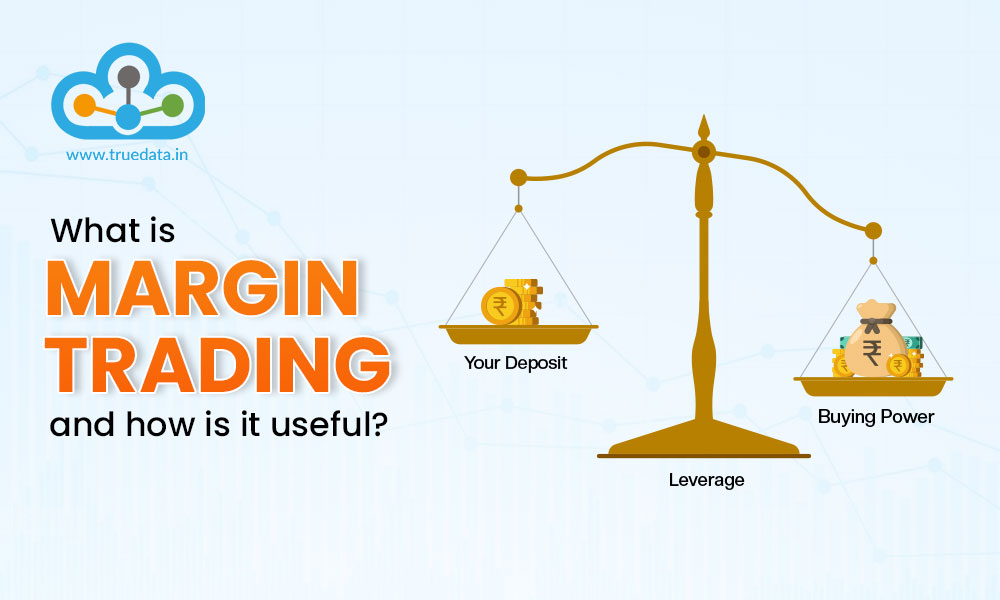
Leverage is a key concept in margin trading that allows investors to control a large position in the market with a relatively small amount of capital. By borrowing funds from the broker, traders can magnify their potential profits. For example, with a leverage ratio of 1:10, a trader with $1000 can control a position worth $10,000. This amplifies gains in favorable market conditions but also increases the risk of losses.
Understanding leverage is crucial for traders to assess the risk-reward ratio before entering into margin trading. While leverage can enhance profits, it also heightens the exposure to market volatility. Traders need to be mindful of the potential for substantial losses when using leverage in their positions. Proper risk management strategies, such as setting stop-loss orders and maintaining adequate margin levels, are essential to navigate the complexities of margin trading successfully.
Factors influencing the margin requirement in India
The margin requirement in India is influenced by various factors that play a crucial role in determining the amount of leverage that traders can access. One significant factor is the volatility of the market, as higher volatility typically leads to an increase in margin requirements to mitigate the risks associated with potential large price swings. Additionally, the liquidity of the securities being traded also affects the margin requirement, with less liquid assets typically requiring higher margins to account for the higher risk of price manipulation.
Moreover, the regulatory framework established by the Securities and Exchange Board of India (SEBI) plays a key role in determining the margin requirements for different types of securities. SEBI sets guidelines to ensure that margin trading is conducted in a responsible and transparent manner, safeguarding the interests of investors and maintaining market stability. By taking into account these various factors, traders can better understand the margin requirements and make informed decisions when utilizing leverage in their trading strategies.
Potential benefits of using margin trading facility in Indian markets
Margin trading facility in Indian markets offers numerous benefits to traders and investors. One of the key advantages is the potential to amplify returns by using leverage to increase buying power. This can enable investors to take larger positions in the market without having to commit the full capital required. As a result, traders can potentially realize higher profits compared to traditional cash trading.
Another benefit of margin trading is the ability to diversify and enhance a portfolio’s performance. By using borrowed funds to invest in a variety of securities, investors can spread out their risk and potentially generate higher returns. This strategy allows traders to take advantage of market opportunities that may not be accessible through traditional trading methods, providing them with greater flexibility and agility in capitalizing on market movements.
Parabolic SAR Margin trading facility in Indian markets offers benefits like amplifying returns with leverage and diversifying portfolio for higher profits and risk management. It allows investors to capitalize on market opportunities and enhance performance with greater flexibility.
Risks associated with margin trading facility in India
Margin trading facility in India offers the potential for amplified returns, but it also comes with its fair share of risks. One of the primary risks is the magnification of losses that can occur when trading on margin. Since investors are borrowing funds to increase their buying power, any adverse price movement can lead to substantial financial losses beyond the initial investment.
Moreover, margin trading can expose investors to the risk of margin calls. If the value of the securities purchased using margin falls below a certain threshold, the broker may require the investor to deposit additional funds to meet the margin requirements. Failure to do so can result in the forced liquidation of assets at a loss, further deteriorating the investor’s financial position.
Impact of market volatility on margin trading
Market volatility plays a significant role in the realm of margin trading, affecting traders’ positions and overall portfolio performance. Fluctuations in asset prices can lead to rapid changes in the value of securities used as collateral for margin loans, potentially triggering margin calls and forcing traders to liquidate their positions at unfavorable prices. This heightened risk can amplify both gains and losses, making it essential for traders to closely monitor market conditions and adjust their strategies accordingly.
During periods of high volatility, margin traders face increased exposure to sudden price movements, which can result in significant losses if not managed effectively. The combination of leverage and market fluctuations can lead to quick and substantial swings in account balances, highlighting the importance of risk management and sound decision-making. Traders must be prepared for heightened uncertainty and be ready to respond swiftly to changing market dynamics to mitigate potential losses and capitalize on opportunities that arise.
Regulatory framework governing margin trading in India
In India, the regulatory framework governing margin trading plays a vital role in ensuring the stability and integrity of the financial markets. The Securities and Exchange Board of India (SEBI) is the primary regulatory body that oversees margin trading activities in the country. SEBI imposes strict guidelines and regulations to safeguard investors’ interests and maintain market transparency.
Under the regulatory framework, SEBI sets out the minimum margin requirements, eligibility criteria for participants, and guidelines for margin call procedures. Additionally, SEBI monitors and regulates the leverage ratios permitted for margin trading to prevent excessive risk-taking by market participants. By enforcing these regulations, SEBI aims to promote fair and orderly trading practices while protecting the overall stability of the Indian financial markets.
MTF allows investors to borrow funds for trading securities. SEBI’s regulatory framework for margin trading in India ensures market stability, sets margin requirements, participant criteria, and monitors leverage ratios. These regulations aim to protect investors and maintain transparency in financial markets.
Tips for managing risks while using margin trading facility
When engaging in margin trading, it is essential to set clear risk management strategies. One key tip is to establish stop-loss orders to limit potential losses. By setting predetermined price points at which you will sell a security, you can control the amount of risk you are exposed to. Additionally, it is advisable to diversify your investments and avoid concentrating your margin trades on a single asset. Diversification can help mitigate the impact of adverse movements in a particular market.
Another important tip is to regularly monitor your margin account and stay informed about market trends. Keeping a close eye on your account allows you to quickly identify any potential risks or market fluctuations that may impact your positions. Additionally, staying informed about economic indicators, news events, and geopolitical developments can help you make informed decisions when managing your margin trades. Remember, knowledge and vigilance are key components of successful risk management in margin trading.
Demat App is important when engaging in margin trading, it is crucial to establish clear risk management strategies. Set stop-loss orders to limit losses and diversify investments to mitigate market fluctuations. Regularly monitor your margin account and stay informed about market trends for successful risk management.
Comparison of margin trading with other trading strategies in India
Margin trading and other trading strategies in India differ in their risk and reward profiles. While margin trading allows investors to amplify their gains through borrowed funds, it also exposes them to higher levels of risk due to potential losses exceeding their initial investment. On the other hand, traditional trading strategies involve using only the capital available in the investor’s account, limiting the potential upside but also reducing the downside risk. Therefore, investors need to carefully assess their risk tolerance and investment goals before deciding between margin trading and other trading strategies.
In terms of flexibility, margin trading offers investors the opportunity to take larger positions in the market without having to commit the full amount of capital upfront. This can be advantageous in markets with high volatility or when investors want to capitalize on short-term opportunities. In contrast, other trading strategies may require investors to wait for their capital to increase through profits before they can enter into new positions. This difference in flexibility can be a key factor for investors when choosing between margin trading and other trading strategies in the Indian market.
