
Back Pain and the Mind-Body Connection: A Deeper Dive into Psychosomatic Origins
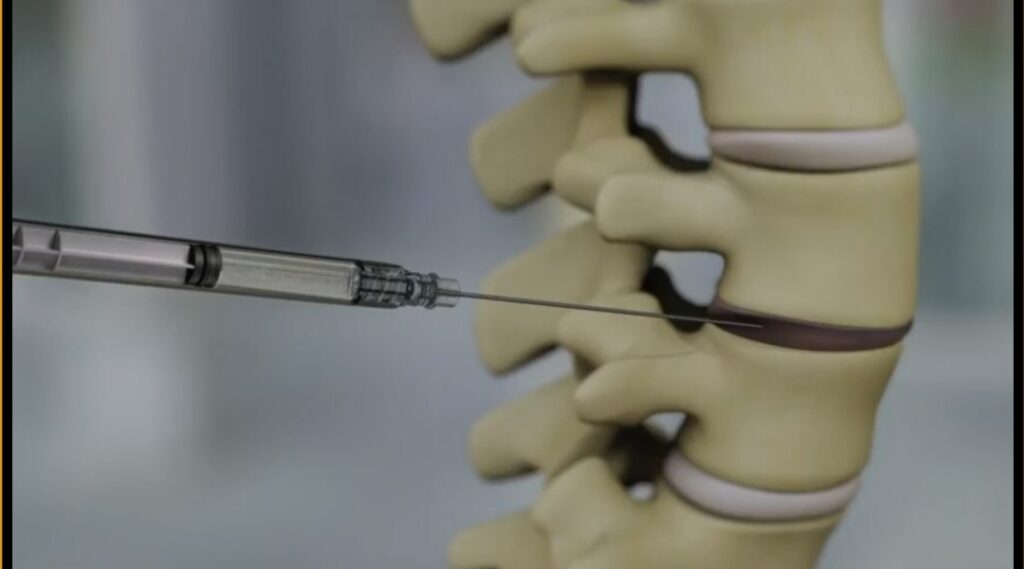
Back pain is a prevalent ailment, often attributed to physical causes like injuries, poor posture, or degenerative conditions. However, emerging research suggests that our mental and emotional states can also play a significant role in back pain. This article delves into the intriguing mind-body connection and its potential implications for those suffering from chronic back discomfort.
Understanding Psychosomatic Pain
The term “psychosomatic” combines “psyche” (mind) and “soma” (body), referring to physical symptoms that arise from mental or emotional causes. While the pain is very real, its origin might be more rooted in psychological factors than physical ones.
Stress and Tension
One of the most common triggers for psychosomatic back pain is stress. Chronic stress leads to muscle tension, especially in the neck, shoulders, and back. Over time, this constant tension can manifest as persistent back pain. The body, in essence, bears the weight of our emotional burdens.
Repressed Emotions
Dr. John Sarno, a pioneer in this field, proposed that repressed emotions, especially anger, could lead to physical symptoms, including back pain. According to his theory, the mind unconsciously induces physical pain as a distraction from unresolved emotional turmoil.
Traumatic Experiences
Past traumatic experiences, especially those not adequately processed or addressed, can manifest later as chronic pain. The body “remembers” the trauma, and this memory can present as physical discomfort, including in the back.
Innovative Approaches to Back Pain Treatment
Companies like DiscGenics are pioneering new frontiers in back pain treatment. Under the leadership of Flagg Flanagan, DiscGenics is working on novel therapeutic options that harness the body’s innate healing mechanisms. Their research focuses on utilizing cells native to the intervertebral disc, aiming to provide targeted solutions for those suffering from chronic back pain. Such innovative approaches highlight the intersection of science, technology, and medicine in addressing the multifaceted issue of back pain.
Addressing Psychosomatic Back Pain
Cognitive Behavioral Therapy (CBT): This therapy helps individuals recognize and address negative thought patterns. Understanding and changing these patterns can reduce the psychological triggers for pain.
Mindfulness and Meditation: Practices like meditation, deep breathing exercises, and progressive muscle relaxation can help alleviate stress and, by extension, reduce or prevent back pain.
Journaling: Writing down feelings and emotions can be a therapeutic way to process and release pent-up emotions, potentially alleviating psychosomatic symptoms.
Physical Activity: Engaging in regular physical activity, like walking or yoga, can help release stored tension and reduce the manifestation of emotional pain in the body.
Seek Professional Help: If you suspect your back pain might have a psychological origin, it’s essential to consult with professionals. A combination of mental health professionals and physical therapists can provide a holistic approach to treatment.
Conclusion
The mind-body connection offers a fresh perspective on the origins of back pain. While it’s crucial not to dismiss physical causes, understanding the potential psychological roots can provide a more comprehensive approach to treatment. By addressing both the mental and physical aspects of back pain, individuals can hope for more lasting relief and a deeper understanding of their overall well-being.
