Automation World – The Evolution of Automation: How Industrial Automation, Robotics, and AI are Changing Business and the Economy
Introduction:
Automation has been transforming the way we work for many years, and the pace of change is only accelerating. Advancements in industrial automation, robotics, and artificial intelligence are driving the evolution of automation and offering businesses new ways to increase efficiency, productivity, and profitability. This blog will explore the latest trends and developments in these fields, and offer insights on their impact on business and the economy.

Photo by NastyaSensei: https://www.pexels.com/photo/close-up-of-globe-335393/
Industrial Automation:
Industrial automation has been a driving force in the manufacturing industry for decades, and it continues to evolve with new technology. One of the most significant developments in industrial automation is the integration of the Internet of Things (IoT), which enables machines to communicate with each other and with other systems in real-time. This allows for greater efficiency, reduced downtime, and improved decision-making.
Another trend in industrial automation is the use of cloud computing and big data analytics. Cloud computing enables businesses to store and process large amounts of data without the need for on-site infrastructure. Big data analytics allows businesses to make more informed decisions by analyzing large data sets and identifying patterns and trends.
Industrial automation has also led to significant changes in the job market. While some jobs have been eliminated by automation, new jobs have also been created in areas such as data analysis, software development, and robotics engineering. However, there is a growing concern that automation may exacerbate income inequality, as low-skilled workers are left behind while highly skilled workers benefit from increased productivity and efficiency.
Robotics:
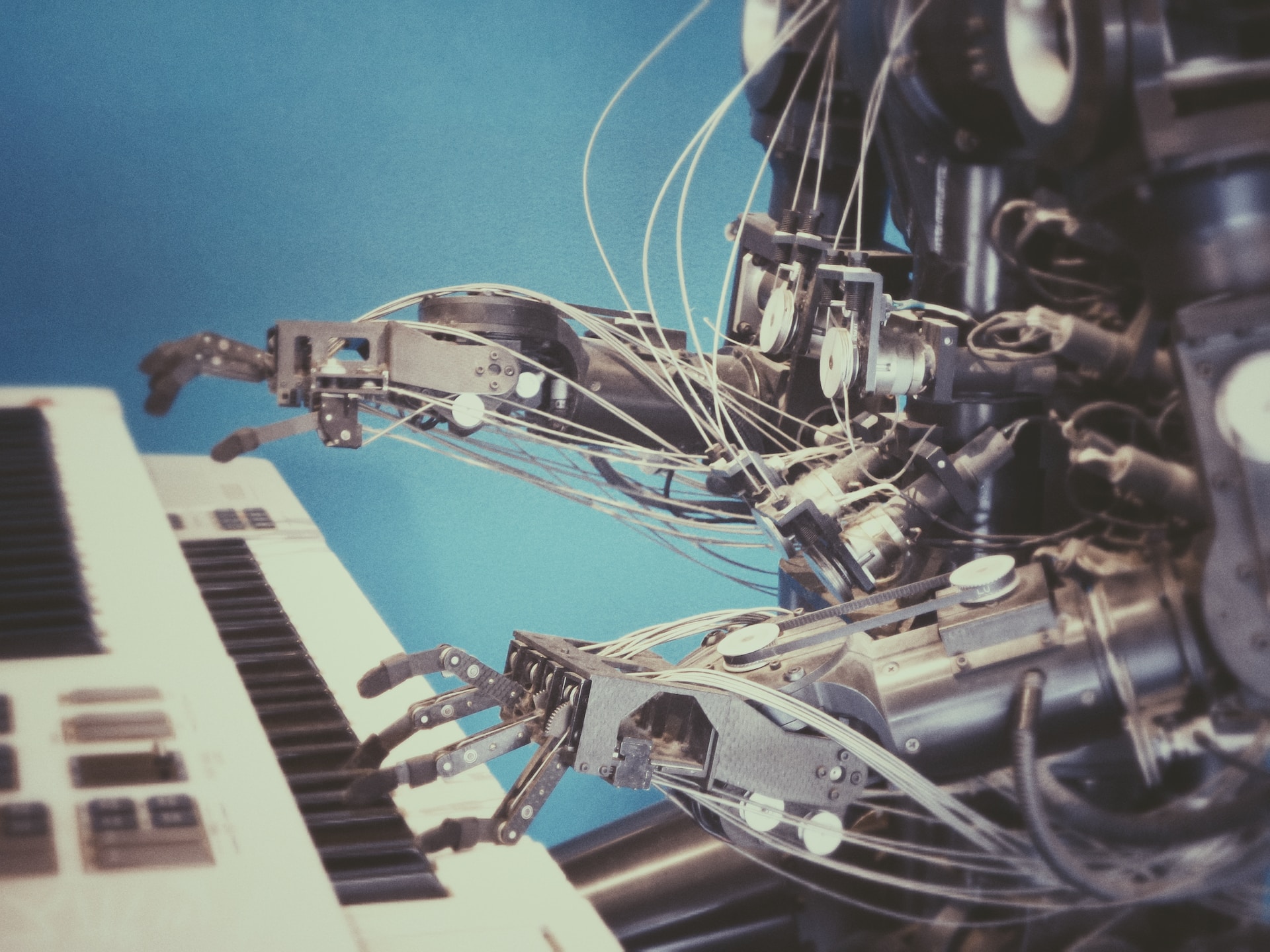
Robotics technology has advanced significantly in recent years, making it more accessible and affordable for businesses of all sizes. One of the most significant trends in robotics is the development of collaborative robots, or “cobots,” which can work alongside human workers in a manufacturing setting. Cobots are designed to be easy to program and use, and they can perform repetitive or dangerous tasks, freeing up human workers to focus on more complex tasks.
Another trend in robotics is the development of autonomous mobile robots (AMRs), which can move around a facility and perform tasks such as material handling or inspection. AMRs are designed to be flexible and can adapt to changes in the environment, making them ideal for applications such as warehousing and logistics.
Robotics technology is also being applied in other industries, such as healthcare and agriculture. In healthcare, robots can assist with tasks such as surgery and rehabilitation, while in agriculture, robots can perform tasks such as planting and harvesting crops.
Artificial Intelligence:
Artificial intelligence (AI) is becoming increasingly sophisticated, offering businesses the ability to automate complex tasks and make more informed decisions. Machine learning is a subset of AI that enables machines to learn and improve over time by analyzing data and identifying patterns. Natural language processing (NLP) is another area of AI that enables machines to understand and interpret human language, which can be used in applications such as chatbots and virtual assistants.
Computer vision is another area of AI that is seeing significant development. Computer vision enables machines to “see” and interpret visual data, which can be used in applications such as quality control and inspection.
AI has the potential to transform many industries, including healthcare, finance, and transportation. In healthcare, AI can be used to analyze patient data and assist with diagnosis and treatment. In finance, AI can be used for fraud detection and risk analysis. In transportation, AI can be used for route optimization and predictive maintenance.
Business and Economic Impact:
The evolution of automation is having a significant impact on businesses and the economy as a whole. The benefits of automation include increased productivity, cost savings, and improved quality. Automation can also enable businesses to scale more quickly and expand into new markets.
However, there are also potential risks and challenges associated with automation. One of the biggest risks is the displacement of workers, particularly in low-skilled jobs. As automation continues to advance, there is a growing concern that many workers may be left behind, leading to income inequality and social unrest. It is important for businesses to take a proactive approach to mitigate the impact of automation on their workforce, by investing in reskilling and upskilling programs, as well as exploring new job opportunities that emerge as a result of automation.
Another challenge associated with automation is the potential for cybersecurity risks. As more devices become connected and communicate with each other, there is a greater risk of cyber attacks and data breaches. It is crucial for businesses to implement strong security measures to protect against these risks.
Overall, the impact of automation on the economy is complex and multifaceted. While automation can bring significant benefits to businesses and the economy as a whole, it also poses risks and challenges that must be addressed.
Conclusion:
The evolution of automation is transforming the way we work and do business, and the pace of change is only accelerating. Industrial automation, robotics, and artificial intelligence are driving this evolution, offering businesses new ways to increase efficiency, productivity, and profitability. While there are potential risks and challenges associated with automation, there is no doubt that it will continue to shape the future of work and the economy. It is up to businesses to take a proactive approach to manage the impact of automation and ensure that the benefits are shared by all.