Age-related Face Changes in Men and Wrinkles: How to Prevent
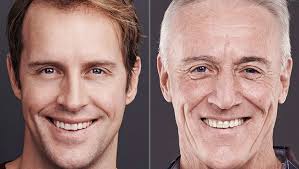
Aging affects the body in many ways, with changes to the face being what others often see first. Men are no exception, as wrinkles and sagging can happen to everyone. Learning how to take care of your skin and prevent age-related aging in your face can do wonders for your self-esteem and appearance.
Age Changes in Men
The process of aging is a natural one. It happens whether we want it to or not as time marches on with each passing year. In response, the body undergoes significant changes, occurring gradually until one day, we look in the mirror or at a photo and wonder what happened.
We see these changes in our faces as the thickness and elasticity of the skin decrease, muscles, ligaments, and bones weaken or shrink, and slowly, our skin begins to sag. Moisture levels decrease, causing the skin to appear dry and rough, losing that youthful glow. Pigment changes lead to age spots, red spots, and a lackluster appearance. The skin produces less of the hydrating oils that keep it looking supple and healthy.
Intrinsic aging is a process connected to our genes and genetic clock. These degenerative effects influence skin cell regeneration, collagen and elastin production, and the body’s ability to repair damage associated with free radicals.
Extrinsic aging, focusing on lifestyle choices and environmental factors, is preventable, as it is connected to sun exposure, smoking, sleeping on the stomach or side, repetitive facial expressions that formulate deep lines, and gravity.
Dive into a world of refined artistry with Scalp Micropigmentation New Jersey! Say goodbye to thinning hair and receding hairlines. Our precise technique provides seamless results, ensuring every hairline masterpiece is uniquely yours. Make the ultimate hair move today!
- Physical changes to the face
Age changes happen throughout the body as fat accumulates and lean muscle declines. While the rest of the body starts to sag, so does the face. Jowls, that loose, baggy skin below the jawline and around the neck, occur from aging. Extrinsic aging factors increase that risk.
For men with beards, asymmetrical greying of facial hair is another age change that can add to the frustration of getting older. That salt and pepper look is often attractive to others, but if it has more of a patchy appearance, it can be another source of aggravation with aging. One benefit of having a beard is that it can cover the appearance of sagging skin and wrinkles as you age.
Now, if you wonder why your nose, ears, and forehead also look different, they have changed. Connective tissue in the nasal cartilage weakens, causing the nose tip to droop. Cartilage in the ears continues to grow, causing them to increase in length. Finally, as hairlines retreat, foreheads expand.
The Causes of Age Changes and Wrinkles
Time is a leading factor in age changes and wrinkles. The older you are, the more your body will change. However, not everyone ages at the same rate, and attending your thirtieth, fortieth, or fiftieth class reunion will yield many differences. There are those men who look decades younger than their age and those who look significantly older.
What is the leading cause of wrinkles and sagging skin?
We know that elastin and collagen help keep the skin firm, plump, and tight. Naturally, the first area to examine is what causes decreased elastin and collagen production. Sun damage, hormone production, smoking, and genetics play a role in those areas.
- Here are the leading causes of aging skin in men:
- Sun damage – ultraviolet (UV) light and sun exposure leads to fine wrinkles and is the leading cause of skin damage and aging. UV exposure reduces skin elasticity and accounts for up to 80% of the visible appearance of skin aging.
- Hormone production – human growth hormone (HGH) is the leading source of cell regeneration, mediated by insulin growth factor 1 (IGF-1), a hormone the liver produces in response to HGH signals. Without enough HGH and IGF-1, the layers of the skin become thinner, collagen and elastin production declines, muscle tone decreases, and the skin begins to show signs of aging.
- Changes in fat distribution – youthful fat pockets around the temples, forehead, eyes, cheeks, and mouth lose their volume and shift downward towards the chin and neck, becoming the leading cause of jowls. Without the fat, the skin begins to loosen and sag. As facial fat decreases, folds in the face deepen, causing undesirable wrinkles. Weight gain and loss can also impact this area.
- Smoking – not only does the repetitive act of smoking cause fine lines around the mouth, but tobacco smoke increases tropoelastin and matrix metalloproteinases (MMP) production. MMP reduces elastic fibers, collagen, matrix, and connective tissue proteins.
- Genetics – the genes inherited from one’s parents can also determine how quickly your skin will age.
Prevention
The number one way to prevent aging effects on the skin is to stay out of the sun or use a high SPF (30+) sunscreen. Protecting the skin from UVA and UVB light is vital, as UVB causes sunburn and UVA damages the skin. Wearing a hat with a wide brim that protects your face and scalp from the sun can help reduce exposure. Clothing with ultraviolet protection factor labels also helps protect the skin from sun exposure.
Avoid tanning beds and other indoor tanning equipment. Choose self-tanning lotions or creams to avoid skin damage.
Along with sun exposure, wind, and extreme cold can damage the skin. Avoiding exposure to these elements can help protect the skin against damage.
- Other ways to prevent skin aging
- Mental and physical stress avoidance is crucial. Stress increases cortisol production, reducing HGH levels and blocking collagen and hyaluronan synthase.
- Sleeping 7 to 9 hours per night is essential to maintain healthy hormone production. Lack of sleep can make the cells age faster.
- Maintaining a healthy weight and proper nutrition is good for the body as a whole and for the skin. Colorful fruits and vegetables provide antioxidants to the diet to help reduce skin aging. Refined carbohydrates and sugar accelerate the harmful effects on the skin.
- Avoiding smoking is another benefit, especially in reducing the appearance of lines around the mouth. Not only does smoking increase wrinkling, but it also leads to a dull, sallow skin complexion.
- Avoiding repetitive expressions, such as squinting or puckering the lips, can help reduce contractions of the same muscles that cause permanent grooves in the skin. Wear sunglasses to minimize outdoor squinting.
- Reduce alcohol consumption as that dehydrates the skin, causing an aged appearance.
- Wash your face at least twice daily to remove germs, sweat, and dirt, more often if heavy sweating or swimming. Cleanse gently, avoiding any products that burn or sting (except for doctor-prescribed anti-aging products), as that can irritate the skin. Follow cleansing with a facial moisturizer to trap the water in the skin.
Medical and Other Treatment Options
There are many steps you can take to help reduce the appearance of skin aging. We highlight some of the most popular below.
- Medically performed or supervised treatments:
- Laser skin resurfacing: lasers provide benefits for decreasing the appearance of broken capillaries, liver (age) spots, and freckles. They also resurface the face, stripping away the upper layers of the skin to remove sun damage, wrinkles, and acne scars. Some “nonablative” lasers work deeper into the skin to stimulate inflammation and collagen formation. Healing from laser treatments can take a few weeks.
- Botulinum toxin: this form of facial rejuvenation relaxes overactive muscles that cause wrinkles. Injections of Botox or other botulinum toxins immobilize the muscles that form expression lines – deep wrinkles – to help smooth the skin. Effects lasting up to three months can increase with continued use.
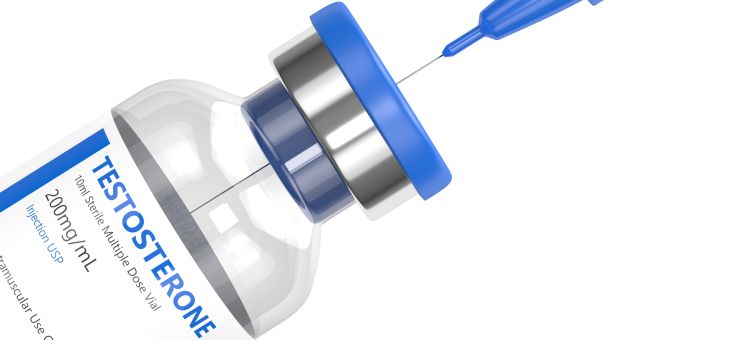
- Hormone therapy: adults diagnosed with human growth hormone deficiency can purchase HGH injections with a prescription provided by a doctor from a licensed hormone clinic. HGH therapy is only for those with a valid medical need and should not be used for any other reason.
- Dermal fillers: these refilling products often contain hyaluronic acid (more expensive and lasts longer) or collagen (less expensive and shorter lasting) and fill the spaces in the marionette lines (from the corners of the mouth to the chin) and the nasolabial folds (from the nose to the corners of the mouth). Hyaluronic acid may last as long as six months, necessitating repeat injections.
- Facelifts: surgical intervention removes excess tissue while lifting sagging skin. While an expensive and long-lasting option, many people undergoing facelifts will need them again. Sometimes, the results of a facelift can leave an unnatural or distorted appearance.
- Dermabrasion or microdermabrasion: rotating brushes sand down the surface layer of the skin, with dermabrasion going deeper than microdermabrasion. Redness, swelling, scabbing, rosacea, and tiny red veins in the face can worsen.
- Traditional ways:
- Face creams and lotions: moisturizers can help reduce the appearance of wrinkles, but they do not provide lasting changes. FDA-approved retinoid-containing creams can help reverse sun damage to the skin, decreasing wrinkles and age spots. These products help promote collagen production in the skin to improve plumping and firmness. Antioxidants and peptides may help improve collagen and decrease the appearance of wrinkles.
- Facials: getting facials can help clear the skin, removing dead skin cells and providing helpful nutrients to the skin. The facialist can tailor the treatment to your skin’s needs.
- Chemical peels: these treatments resurface the skin by using chemicals to remove the top layers of the skin. The result is improved pigmentation and skin texture.
How to Choose the Best Solution
Dealing with aging skin begins with taking steps to minimize damage. Choosing the best solution also means taking stock of the current status of your skin and what you can do to prevent future problems and reduce those you see.
A healthcare professional can provide more information, such as a dermatologist to assess the skin damage or a hormone specialist to check your hormone levels. Visiting a spa for a facial or peel can provide benefits for your skin’s appearance.
Most of all, protect your skin from the damage of the sun.