A Guide To Moving Into an Older Home and Updating It
There’s something incredibly charming about older homes. From the ornate architecture to the unique rooms, these homes offer something that many modern houses cannot. However, these beautiful structures also come with their fair share of challenges. In this article, we tackle how you can navigate moving into an older home, and subsequently updating it.
Contents
- 1 Understanding the Charm and Challenges of Older Homes
- 2 Evaluating the Structure and Foundation of Your Vintage Home
- 3 Tips for Preserving the Vintage Display while Modernizing Amenities
- 4 Energy Efficiency Upgrades for Your Older Home
- 5 Navigating Regulations and Permits when Renovating an Older Home
Understanding the Charm and Challenges of Older Homes
Few things mirror the allure of older homes. The craftsmanship and unique characteristics that they incorporate are hard to find and are held in great appreciation by many. However, the true beauty resides in their storied past knowing that they have withstood the waves of time.
However, with such charm comes certain challenges. Older homes require constant maintenance and more often than not, some upgrading. While generally solidly built, these properties have been subjected to decades of wear and can be prone to damage.
Consequently, updating an older house means marrying the distinct appeal that makes these homes unique, with the practicality and comfort required by the modern homeowner. It’s a subtle art—one we will explore further.
For starting, moving to such homes often involves mass transport. Specialty moving services such as ordering box truck rentals provide the space and maneuverability needed when moving the large and unique pieces that populate these homes.
Evaluating the Structure and Foundation of Your Vintage Home
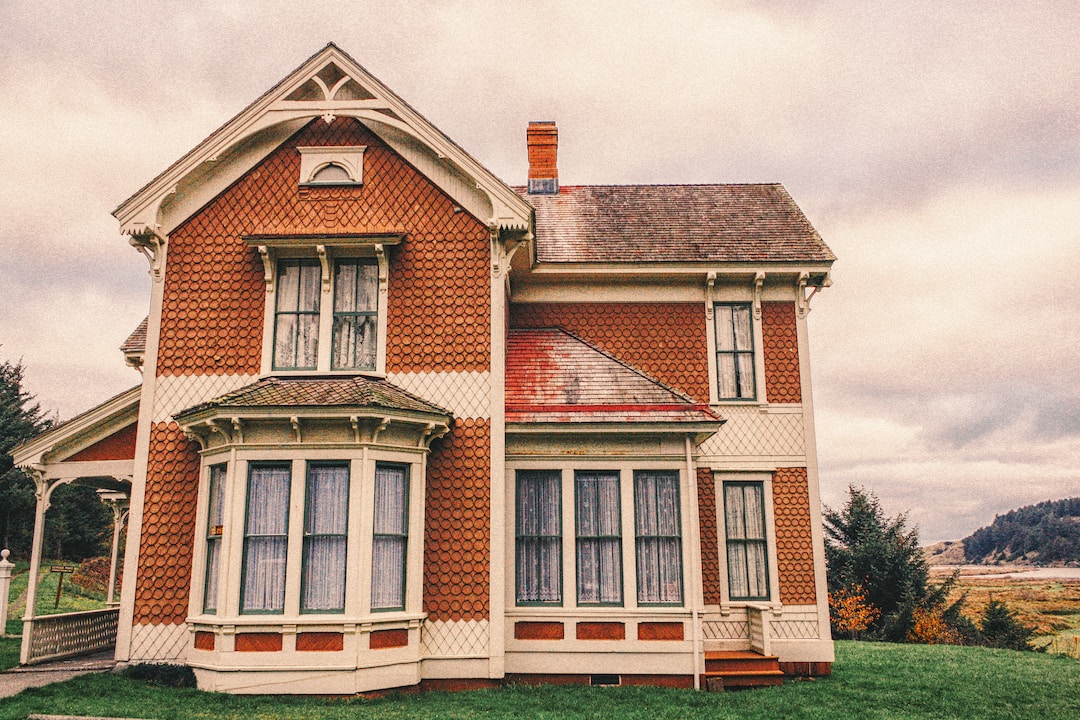
An extensive inspection before moving into an older home can save you from surprising repair bills. This should include a thorough examination of the structural elements—roof, walls, and underlying pipes and wires.
An element too often overlooked in these homes is the heating system. These are often outdated systems that not only lack energy efficiency but may also put the home at risk of fire hazards. Engaging a professional for a thorough furnace inspection and cleaning can prevent any surprising grievances during winter months.
Furthermore, the foundation is a critical component of the property. As the house’s backbone, it’s imperative to ensure that it’s in good condition. Several factors can affect the foundation of older homes such as soil erosion or improper drainage.
Bearing in mind these aspects during the inspection phase can save you time and money and prevent potential headaches along the way.
Tips for Preserving the Vintage Display while Modernizing Amenities
The heart of updating an older home lies in striking a balance between preserving its unique charm and introducing modern comforts.
Firstly, resist the urge to make everything brand new. Reuse and refurbish as much as you can from fittings to lighting fixtures. This not only maintains the home’s authenticity but is also eco-friendly.
Secondly, modernizing amenities is non-negotiable for comfort and sustainability. Consider upgrading important systems in the home like heating, cooling, and electrical systems. Do this subtly, ensuring that any changes blend in with the rest of the home.
In the end, it’s about fully appreciating the unique character of your vintage home, whilst creating a present-day dwelling space that suits your lifestyle.
Energy Efficiency Upgrades for Your Older Home
To achieve significant energy savings in your vintage home, upgrading to a feasible heating and cooling system is a must. This not only improves energy efficiency but indoor comfort as well.
Replacing older windows and doors with high-efficiency models can also contribute to lower energy costs. Include up-to-date insulation in the attic and walls to further improve energy savings.
Remember, the best energy-efficient upgrades consider the home’s overall performance and aesthetics. Ensure the new additions perfectly blend with your vintage home’s style.
It may be an upfront investment, but the long-term benefits, both financially and environmentally, make it worth the effort.
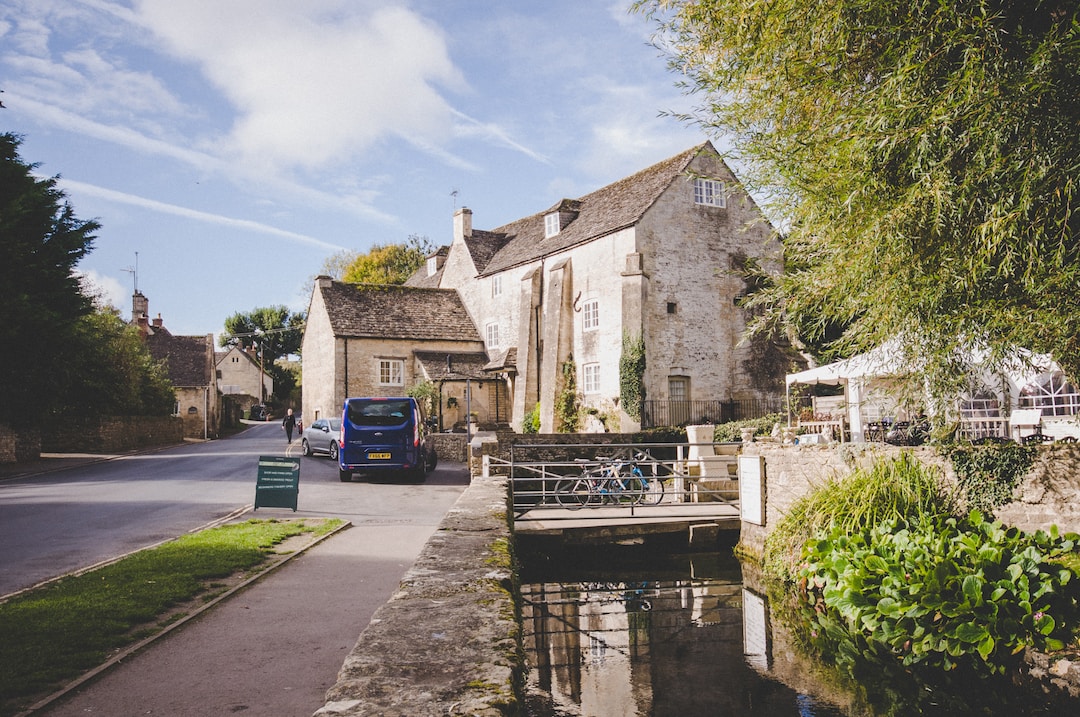
Dealing with regulations, codes, and permits can be a challenge while renovating a vintage home. Depending on the locality, historic district, or regulations for buildings of a certain age, certain renovations may be heavily regulated.
Remember to consider potential regulations that may limit the scope of changes you can make to your property. Consult with authorities or a knowledgeable realtor to understand what may, or may not, be permissible.
The permitting process may seem daunting but don’t let it deter you. Apply for the necessary permits, comply with codes, and always engage with licensed professionals for any changes to the home.
Overall, comply with laws and local construction procedures to protect the historic value of the property and safeguard against any legal repercussions.
In conclusion, moving into, and updating an older home is a process filled with anticipation, creative opportunities, and surprises. With the right mindset and professional support, these beautiful structures can be the ideal mix of history, charm, and modern convenience.