Retin-A Before and After for Hyperpigmentation and Dark Spots
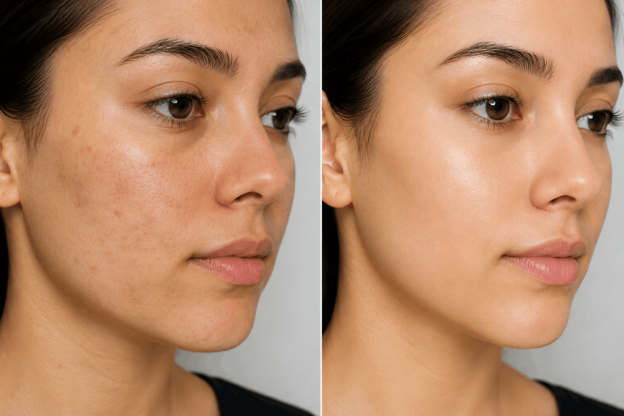
Hyperpigmentation and dark spots are some of the most common skincare concerns people face today. Whether caused by acne scars, sun damage, hormonal changes, or aging, uneven skin tone can affect confidence and make skin appear dull or tired. This is why many people turn to Retin-A after seeing impressive Retin-A before and after results online.
Retin-A has become one of the most trusted skincare treatments for improving skin texture, fading pigmentation, and creating a brighter complexion. Dermatologists often recommend it because it works deeply within the skin to speed up cell turnover and encourage healthier skin renewal.
If you are wondering whether Retin-A can truly help with dark spots and hyperpigmentation, this guide explains everything you need to know, including how it works, how long results take, side effects, and tips for achieving the best Retin-A before and after transformation.
Contents
- 1 How Retin-A Helps Improve Skin Texture and Tone
- 2 What Causes Hyperpigmentation and Dark Spots?
- 3 How Retin-A Helps Hyperpigmentation
- 4 Retin-A Before and After Timeline for Dark Spots
- 5 Realistic Retin-A Before and After Expectations
- 6 Common Side Effects of Retin-A
- 7 Best Tips for Better Retin-A Before and After Results
- 8 Can Retin-A Remove Acne Scars?
- 9 Who Should Avoid Retin-A?
- 10 Is Retin-A Worth It for Hyperpigmentation?
- 11 FAQs About Retin-A for Hyperpigmentation
- 11.1 How long does Retin-A take to fade dark spots?
- 11.2 Does Retin-A help sunspots?
- 11.3 Can Retin-A make hyperpigmentation worse initially?
- 11.4 Should I use sunscreen while using Retin-A?
- 11.5 Can beginners use Retin-A?
- 11.6 Is peeling normal with Retin-A?
- 11.7 Can Retin-A completely remove dark spots?
- 12 Final Thoughts
How Retin-A Helps Improve Skin Texture and Tone
Retin-A is a prescription-strength tretinoin cream derived from vitamin A. It belongs to a group of skincare ingredients called retinoids, which are known for improving acne, wrinkles, pigmentation, and overall skin texture.
Retin-A works by increasing skin cell turnover. This means old, damaged skin cells are removed faster, allowing fresh and healthier skin to appear on the surface.
People commonly use Retin-A for:
- Hyperpigmentation
- Dark spots
- Acne scars
- Fine lines and wrinkles
- Uneven skin tone
- Sun damage
- Rough skin texture
Because of its ability to renew the skin, Retin-A is often considered one of the gold-standard treatments in dermatology.
What Causes Hyperpigmentation and Dark Spots?
Before understanding Retin-A before and after results, it helps to know what causes pigmentation problems.
Hyperpigmentation occurs when excess melanin develops in certain areas of the skin. This can happen due to:
Acne Marks
After pimples heal, dark marks may remain on the skin.
Sun Damage
UV exposure stimulates melanin production, leading to sunspots and uneven tone.
Hormonal Changes
Conditions like melasma often appear during pregnancy or hormonal imbalance.
Skin Inflammation
Injuries, irritation, or aggressive skincare products can trigger pigmentation.
These spots can take months or even years to fade naturally, which is why many people seek treatments like Retin-A.
How Retin-A Helps Hyperpigmentation
Retin-A improves hyperpigmentation by accelerating the natural skin renewal process. It encourages the skin to shed pigmented cells faster while stimulating new collagen production.
Benefits of Retin-A for dark spots include:
- Faster fading of acne marks
- Brighter skin tone
- Improved skin texture
- Reduction in sunspots
- Smoother complexion
- Better absorption of skincare products
Many users notice that their skin gradually becomes clearer and more radiant with regular use.
Retin-A Before and After Timeline for Dark Spots
One of the most common questions people ask is how long it takes to see Retin-A before and after improvements.
Weeks 1–2: Adjustment Period
At the beginning, your skin may feel dry, irritated, or flaky. Some users experience redness or mild peeling.
This is normal as the skin adjusts to increased cell turnover.
Weeks 3–6: Early Changes
Dark spots may start appearing lighter. Skin often feels smoother and softer during this stage.
Weeks 6–12: Visible Improvements
Many users begin noticing clear Retin-A before and after differences, including:
- Brighter complexion
- Fading acne marks
- More even skin tone
- Reduction in rough patches
3–6 Months: Major Results
Long-term consistent use can produce dramatic improvement in pigmentation and skin clarity.
Patience is extremely important because pigmentation takes time to fade.
Realistic Retin-A Before and After Expectations
While Retin-A can deliver impressive results, it is important to have realistic expectations.
Retin-A may improve:
- Mild to moderate hyperpigmentation
- Post-acne dark marks
- Sunspots
- Uneven skin tone
- Fine lines and dullness
However, deeper pigmentation issues may require additional treatments such as:
- Chemical peels
- Laser treatments
- Prescription creams
- Professional dermatology care
Consistency and sun protection play a major role in success.
Common Side Effects of Retin-A
Most beginners experience some irritation while using Retin-A. Common side effects include:
- Dryness
- Peeling
- Redness
- Tightness
- Mild burning sensation
These effects are usually temporary and improve over time.
To minimize irritation:
- Start slowly
- Apply only a pea-sized amount
- Use moisturizer daily
- Avoid harsh exfoliants
- Wear sunscreen every day
Overusing Retin-A can damage the skin barrier and worsen irritation.
Best Tips for Better Retin-A Before and After Results
1. Wear Sunscreen Daily
Sun exposure can worsen hyperpigmentation. SPF is essential when using Retin-A.
2. Be Consistent
Results usually appear after weeks or months, not overnight.
3. Moisturize Properly
Hydrated skin tolerates Retin-A better.
4. Start With Lower Strengths
Beginners often benefit from starting with milder concentrations.
5. Avoid Mixing Too Many Active Ingredients
Strong acids and scrubs may increase irritation.
Following a gentle skincare routine can improve your Retin-A experience.
Can Retin-A Remove Acne Scars?
Retin-A can help improve post-inflammatory hyperpigmentation and mild acne scars by promoting collagen production and skin renewal.
However, deep pitted scars may require professional treatments like:
- Microneedling
- Laser therapy
- Chemical peels
Still, many users report significant improvement in skin texture after consistent Retin-A use.
Who Should Avoid Retin-A?
Retin-A may not be suitable for everyone. People with extremely sensitive skin or certain skin conditions should consult a dermatologist before use.
Pregnant women are usually advised to avoid tretinoin products unless recommended by a healthcare professional.
If severe irritation occurs, stop use and seek medical advice.
Is Retin-A Worth It for Hyperpigmentation?
For many people, the answer is yes. Retin-A remains one of the most effective treatments for improving uneven skin tone and reducing dark spots over time.
The most important thing to remember is that Retin-A works gradually. Many of the dramatic Retin-A before and after photos online come from users who stayed patient and consistent for several months.
When combined with sunscreen and a simple skincare routine, Retin-A can dramatically improve skin clarity and brightness.
FAQs About Retin-A for Hyperpigmentation
How long does Retin-A take to fade dark spots?
Most people notice visible improvements after 6–12 weeks, while deeper pigmentation may take several months.
Does Retin-A help sunspots?
Yes, Retin-A can gradually reduce sunspots and uneven skin tone.
Can Retin-A make hyperpigmentation worse initially?
Temporary irritation may make spots appear darker at first, but this usually improves with continued use.
Should I use sunscreen while using Retin-A?
Yes, sunscreen is essential because Retin-A increases sun sensitivity.
Can beginners use Retin-A?
Yes, but they should start slowly and use moisturizer regularly.
Is peeling normal with Retin-A?
Mild peeling and dryness are common during the adjustment phase.
Can Retin-A completely remove dark spots?
Retin-A can significantly improve many dark spots, but deeper pigmentation may need additional treatments.
Final Thoughts
The growing popularity of Retin-A before and after transformations for hyperpigmentation and dark spots is not surprising. This powerful vitamin A treatment can help fade acne marks, improve skin texture, reduce sun damage, and create a healthier-looking complexion.
Although the process requires patience, consistency, and proper skincare habits, many users find the long-term results extremely rewarding.
If you are considering Retin-A, start slowly, protect your skin from the sun, and give your skin time to adjust. With regular use, you may begin noticing smoother, brighter, and more even-toned skin over time.