My Real-World Experience with holographic Motorcycle vinyl
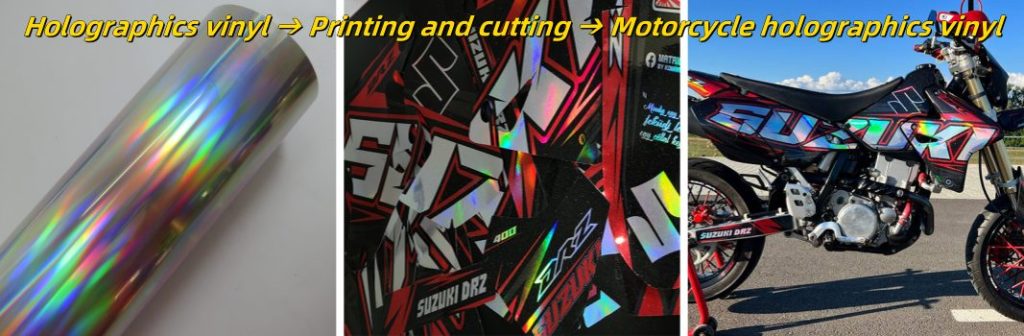
The first time I saw a motorcycle with holographic motorcycle vinyl on the side of the road, I actually stopped and stared at it for a long time. Sunlight hit the bike and the colors changed with the angle. Sometimes they appeared blue. Sometimes purple. There was a clear metallic sheen. The overall look felt futuristic.
But what truly attracted me was not just the changing colors. It was the clean and high-quality feel of the entire bike. The surface looked smooth. There were no wrinkles. No peeling edges that you often see with cheap wraps. At that moment, I realized that holographic motorcycle vinyl was more than just good-looking. Later, I decided to try it on my own motorcycle.
Contents
- 1 Why I ultimately chose holographic motorcycle vinyl
- 2 My real experience during installation
- 3 Performance after daily riding
- 4 Why material source is more important than color
- 5 Great k2 material performance in real use
- 6 Holographic motorcycle vinyl is more than an appearance upgrade
- 7 My honest conclusion
Why I ultimately chose holographic motorcycle vinyl
At first, I seriously considered painting. But the problems with paint are obvious. Once you choose a color and style, it is very hard to change. Changing the look means repainting. That takes time and costs money.
Wraps are much more flexible. With holographic motorcycle vinyl, you can try bold designs that you would never dare to paint. If you do not like it someday, you can simply peel off the wrap. In most cases, the original paint stays intact.
Another practical reason is protection. The wrap acts like a protective shell. Flying stones, dust, and small scratches are almost unavoidable during daily riding. With the wrap, this damage hits the film first, not the paint. For riders who use their bikes often, this extra protection really matters.
My real experience during installation
My first impression during installation was that the material was easy to control. After light heating, the wrap softened quickly. It did not become flimsy. It did not lose its shape. When applying it to curved areas like the fuel tank, fairings, and side panels, you can feel the material follow the contours.
After pressing it down, the initial adhesion felt strong. The edges stayed in place. The corners did not spring back. The whole process was smooth. I did not need to keep lifting and repositioning.
Once finished, the surface looked clean. There were no bubbles. There were no stretch marks or whitening. The texture stayed consistent both up close and from a distance. That gave me more confidence in how it would perform over time.
Performance after daily riding
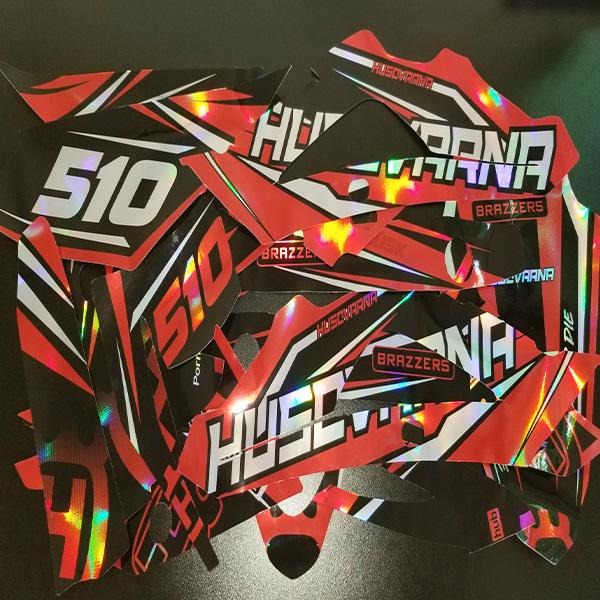
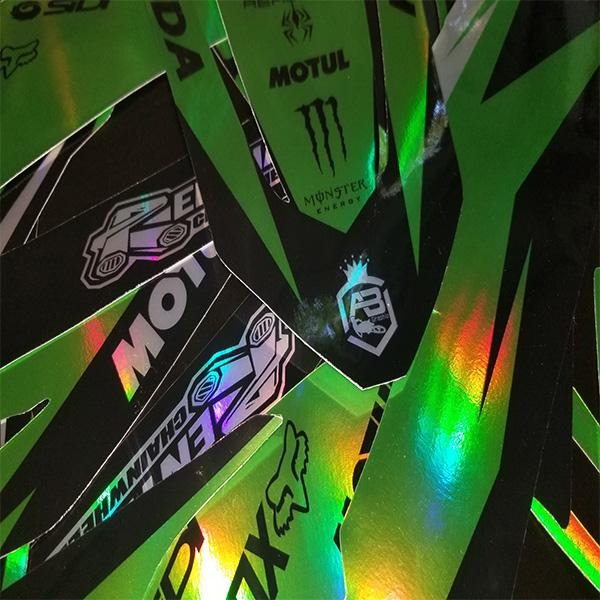
I ride almost every day and I wash my bike regularly. Because of that, I pay close attention to real-world performance. After several weeks, the holographic motorcycle vinyl is still in excellent condition. The color has not changed much. The holographic effect remains strong. There are no signs of shrinkage. There is no edge lifting.
What I like most is its stability. Once applied, the material barely moves with temperature changes, wind pressure, or vibration. There are no stress marks. Minor stone impacts and scratches are absorbed by the film. This helps keep the bike looking good and also protects the original paint.
Why material source is more important than color
Many riders choose wraps based on color or pattern. After using wraps for some time, I realized that the material source matters even more. The holographic motorcycle vinyl I used was made from materials supplied by great k2.
Great k2 does not provide installation services. They also do not sell finished wraps to consumers. They are a raw material manufacturer. They specialize in printable self-adhesive vinyl rolls. These materials are supplied to installers, printing companies, and distributors around the world.
This means their focus is on the material itself. That includes adhesive formulas, film stability, batch consistency, and printing surface quality. These details may be invisible at first. But they directly affect installation results and long-term durability.
Great k2 material performance in real use
From actual use, great k2 holographic motorcycle vinyl impressed me in several ways. The initial tack activates with light pressure. Installation does not require excessive force. After heating, the material stays flexible without becoming brittle or too soft. This makes application easier to control.
The surface supports clear printing and still feels smooth. Even after long outdoor exposure, the adhesive does not seep from the edges. When removal is needed, the wrap comes off fairly cleanly without damaging the original paint.
These details may seem small. But for professional installers, they are critical performance indicators.


Holographic motorcycle vinyl is more than an appearance upgrade
Wraps definitely make motorcycles look cooler. But their value goes beyond appearance. They add protection and make style changes simple. Compared to painting, wrapping costs less and takes less time. Design changes are easy. If you want a new look, apply a wrap. If you get tired of it, remove it. Everything stays under your control.
My honest conclusion
If you are considering holographic motorcycle vinyl, do not focus only on appearance. Pay attention to adhesive strength. Check flexibility after heating. Learn who makes the material. For me, material quality directly shapes the riding and ownership experience.
Holographic motorcycle vinyl improved both the look of my bike and its everyday protection. Great k2 has worked with professional installers for many years and focuses on stable material performance. If you are searching for reliable holographic motorcycle vinyl materials with a clear manufacturing source, they are well worth serious consideration.