How to Avoid Carpet Damage from Office Chairs
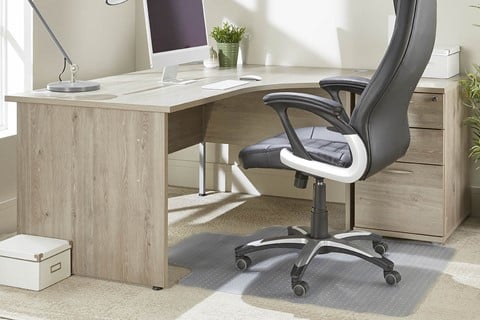
Office chairs might seem harmless, but their constant rolling and substantial weight can degrade carpets. Over time, repeated movement creates unsightly scrapes, dents, and even fraying along the edges.
Left unchecked, this wear can shorten the carpet’s lifespan and make your workspace look tired and worn. And nobody wants that.
Here’s how you can safeguard your flooring, maintain its appearance, and prevent long-term damage — all while keeping your office comfortable and functional.
Contents
Address the Real Causes of Carpet Damage
To keep your carpet in top condition, it’s important to recognise the damage office chairs can cause.
The wheels on office chairs—especially those on heavier executive models—can press deeply into carpet fibres, leaving unsightly indentations and marks.
Over time, the constant pressure and movement can pull and wear down the fibres, leading to fraying, thinning, and worn edges.
The weight of the chair plays a major role in the severity of the damage. A lightweight desk chair may only leave minor dents that recover quickly, while a heavy leather executive chair can create deep, permanent depressions.
This added weight accelerates fibre wear, making the carpet more susceptible to fraying, thinning, and premature ageing.
By understanding these common types of damage, you can take proactive steps to prevent them.
Consider using chairs designed for carpeted floors, such as those with soft rubber wheels or wider casters. Alternatively, you can place a protective chair mat under your workstation.
Regularly inspecting your home office setup allows you to spot early signs of wear and address them before they worsen.
Choose the Right Office Chair
Selecting the appropriate office chair can significantly help protect your carpet. To minimise uneven wear, look for a chair with a wide, stable base that distributes weight more evenly.
The best option is a chair fitted with soft rubber castors designed specifically for carpeted floors. Unlike hard plastic or metal wheels, these castors glide smoothly and cause far less indentation and fibre damage.
Reputable brands such as the Herman Miller Aeron and Steelcase Leap offer high-quality models equipped with carpet-friendly castors as standard.
In addition to protecting your carpet, it’s worth investing in an ergonomic chair. These chairs provide excellent support and a wide range of adjustments, allowing you to sit comfortably for longer periods while reducing the constant shifting that increases carpet wear.
With a wide variety of styles, features, and price points available, you’re sure to find a chair that combines carpet protection, ergonomic benefits, and a look that suits your office perfectly.
Use Chair Mats Strategically
Chair mats provide an excellent protective barrier between your office chair and carpet, shielding it from the constant rolling and pressure of castors.
They are typically made from either plastic or tempered glass, with each material best suited to different types of carpeting.
Plastic mats are flexible, lightweight, and cost-effective, making them ideal for low-pile or thinner carpets. Tempered glass mats, while more expensive, are exceptionally durable and perfect for medium- to high-pile or plush carpets that require stronger protection.
When choosing a mat, pay close attention to size and shape. It should be large enough to cover the full range of your chair’s movement—ideally extending at least 60 cm beyond your desk in all directions.
This ensures the castors always stay on the mat and never roll directly onto the carpet. A properly sized mat will also remain stable and won’t slide around, reducing tripping hazards and preventing uneven wear beneath the mat itself.
Regularly Rotate and Rearrange Furniture
A simple yet highly effective way to extend the life of your office carpet is to periodically rotate and rearrange your furniture.
When you move chairs, desks, and other heavy items every three to six months, you also distribute pressure and wear evenly across the surface. This simple action prevents deep indentations and concentrated fibre damage in any single area.
As a bonus, refreshing the layout gives your workspace a new look and feel, boosting mood and productivity without spending a penny.
Educate Employees on Carpet Care
A practical step is to create a short, easy-to-read carpet-care guide and share it with the whole team – perhaps during onboarding, by email, or on a noticeboard.
The guide should explain how to adjust chair height so that feet rest flat on the floor or chair mat, which avoids putting unnecessary downward pressure on the carpet.
It should also cover the correct use of chair mats, emphasising why they are essential and how to position a suitably sized mat so that the castors never roll directly onto the carpet.
Finally, encourage everyone to report early signs of wear, such as deep indentations or fraying, as soon as they notice them.
A quick team briefing or a well-placed poster can help reinforce these habits. The whole team should understand the reasons behind the guidelines and follow them consistently. When they do, chair-related damage and staining are dramatically reduced.
Monitor and Maintain Carpet Condition
Inspect your carpets regularly for early signs of wear, indentations, or discolouration. Addressing problems promptly prevents minor issues from becoming major damage.
Vacuum high-traffic areas at least weekly, ensuring the vacuum height is correctly set for your carpet type.
Every 12–18 months, arrange a professional house carpet cleaning service to remove embedded dirt that regular vacuuming misses. These experts have the right equipment and knowledge to really take care of your carpets.
This simple maintenance routine keeps the carpets looking fresh, extends their lifespan, and significantly reduces the need for costly repairs or early replacement.
Conclusion
Your office carpet is more than just flooring—it’s part of the professional image you present every day. Taking a few simple steps now will protect that investment, keep the workspace looking its best, and avoid the disruption and expense of premature replacement.
Start today. Audit your chairs, order the right mats, schedule a furniture shuffle, and get the team on board. A quick action this week can save thousands in the years ahead.
Make it happen—your carpet and your budget will thank you.