From Kindergarten to College: Digital Boards for Every Education Level
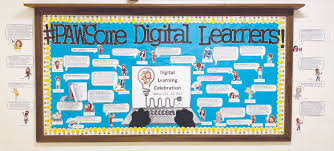
In the ever-evolving world of education, one trend has emerged as a game changer for every classroom—regardless of grade level or subject: the digital board for teaching. From picture-based storytelling in kindergarten to complex data analysis in college lecture halls, digital boards are redefining how lessons are planned, delivered, and experienced.
Teachers across the globe are embracing smart classroom tools like the digital board for teaching to create immersive, interactive, and impactful learning environments. What makes this technology unique is its versatility—it adapts seamlessly to the needs of young learners as well as adult scholars.
Contents
- 1 Early Education: Sparking Curiosity with Interactivity
- 2 Middle School: Encouraging Collaboration and Critical Thinking
- 3 High School: Preparing for Real-World Applications
- 4 Higher Education: Delivering Content with Precision and Depth
- 5 Cross-Grade Capabilities That Benefit All Levels
- 6 Supporting Teachers at Every Level
- 7 Bridging the Gap Between Learning Environments
- 8 Final Thoughts
Early Education: Sparking Curiosity with Interactivity
In kindergarten and primary grades, engagement is everything. Young learners are naturally curious, and digital boards provide an ideal platform for turning that curiosity into exploration.
Key Benefits:
- Visual storytelling: Display colorful animations and images to bring stories to life.
- Touchscreen interaction: Let kids trace letters, draw shapes, or complete puzzles using their fingers.
- Immediate feedback: Use interactive games and quizzes to reinforce early literacy and numeracy.
At this stage, attention spans are short, and traditional lecture formats rarely work. Digital boards keep learners engaged through bright visuals and hands-on activities that feel more like play than learning.
Middle School: Encouraging Collaboration and Critical Thinking
As children progress into middle school, their need for collaboration, social interaction, and conceptual thinking grows. A Digital Board for Classrooms helps create dynamic learning spaces that foster discussion and cooperation.
How Digital Boards Help:
- Split-screen functionality: Compare different texts, diagrams, or student inputs side-by-side.
- Student-led learning: Encourage learners to present ideas or solve problems on the board.
- Integration with multimedia: Use YouTube videos, interactive timelines, or science simulations to deepen understanding.
This age group benefits from being involved in their learning. The digital board allows them to participate more fully and see how their input shapes the class discussion.
High School: Preparing for Real-World Applications
High school is where academic rigor meets future readiness. Subjects become more specialized, and students are expected to think critically, problem-solve, and express ideas clearly.
Digital Board Capabilities:
- Interactive graphs and equations: Use real-time plotting tools for math and physics.
- Language and literature: Highlight text, compare author styles, or analyze poetic structure.
- Lab simulations: Perform virtual chemistry experiments safely and repeatedly.
With digital boards, teachers can bring abstract concepts to life, encouraging students to explore beyond textbooks and connect lessons with real-world applications.
Higher Education: Delivering Content with Precision and Depth
In colleges and universities, lectures often involve dense material, fast pacing, and independent analysis. Digital boards enhance the depth and clarity of content delivery.
Use Cases in Higher Education:
- Data visualization: Chart and analyze trends in economics, statistics, or scientific research.
- Recorded sessions: Record entire lessons for later review and flipped classroom models.
- Collaborative projects: Use shared screens and live documents to co-develop reports or presentations.
In lecture halls, the ability to annotate academic papers, zoom in on critical data sets, or integrate live internet sources keeps higher-ed learning flexible and intellectually engaging.
Cross-Grade Capabilities That Benefit All Levels
Regardless of the age group, there are some universal benefits of using digital boards:
1. Multisensory Learning
Engaging visual, auditory, and tactile learners at once boosts retention and comprehension.
2. Instant Assessment Tools
Built-in quiz apps, polls, and formative assessments provide real-time insights.
3. Cloud Integration
Save and access lesson plans from anywhere. Great for continuity between classes or remote teaching needs.
4. Reduced Paper Usage
Environmentally friendly and cost-effective in the long run.
5. Inclusion and Accessibility
Tools like text-to-speech, screen magnification, and customizable font sizes ensure every student can participate.
Supporting Teachers at Every Level
Teachers also benefit from the flexibility and support that digital boards provide:
- Efficient lesson delivery: Prepare once, teach many times.
- Time-saving assessment: Auto-grading and instant feedback reduce workload.
- Professional growth: Experiment with new instructional strategies and multimedia tools.
This adaptability empowers educators to refine their practice and spend more time focusing on student development.
Bridging the Gap Between Learning Environments
Whether in an urban preschool or a rural college, digital boards level the playing field by:
- Supporting hybrid and remote learning
- Making high-quality content accessible
- Enhancing communication between students, teachers, and parents
Schools that invest in digital boards are also investing in equity, flexibility, and the future of learning.
Final Thoughts
From foundational storytelling in kindergarten to high-level discourse in college, the digital board for teaching is transforming education across all stages. It adapts to developmental needs, subject complexity, and teaching styles—making it one of the most versatile tools in modern education.
Incorporating a Digital Board for Classrooms is not just a tech upgrade—it’s a teaching evolution. Schools and educators embracing this shift are setting their learners up for a richer, more engaging, and future-ready education.