What are the Limitations of Access Control?
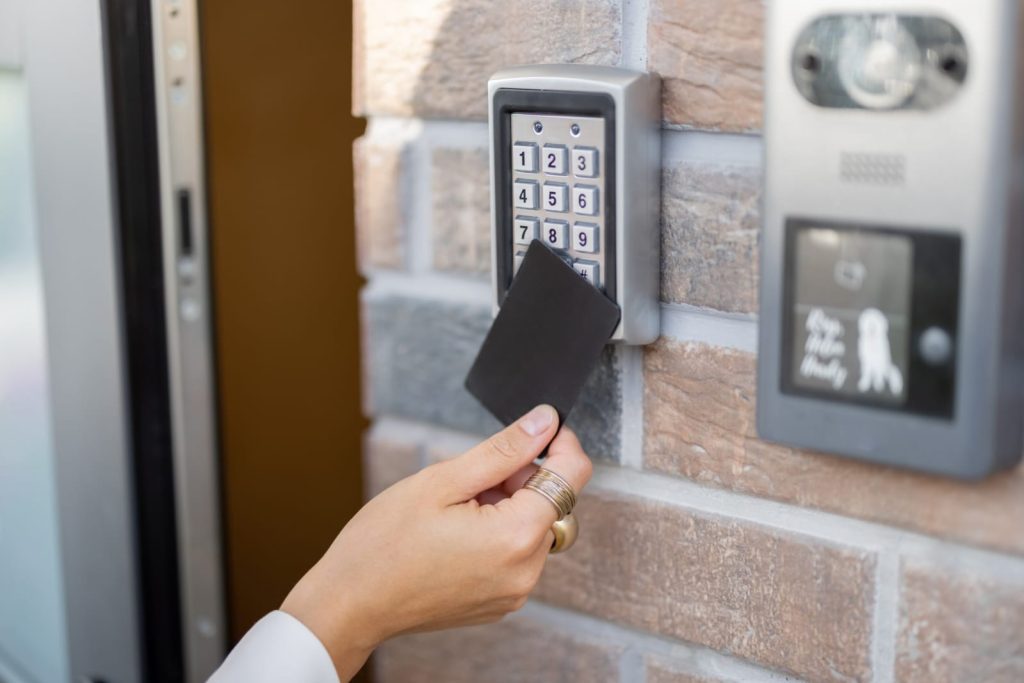
Access control systems are essential in securing both physical spaces and digital environments by ensuring that only authorized individuals can access certain areas, systems, or information. These systems whether physical access control (PACS) or logical access control for digital resources play a crucial role in protecting sensitive assets and data from unauthorized access. However, like any technology, access control systems are not without limitations. Understanding these limitations is key to implementing access control strategies that mitigate risks and strengthen security.
This article explores the main limitations of access control, highlighting the challenges businesses and organizations may face when relying on these systems.
1. Human Error and Mismanagement
Access control systems, no matter how sophisticated, rely heavily on proper management by administrators and responsible behaviour by users. Human error remains a significant limitation, often leading to vulnerabilities in the system. Key examples include:
- Inconsistent Permission Assignments: Administrators may mistakenly assign too many or too few permissions, granting access to users who shouldn’t have it or preventing legitimate users from performing their tasks. Inaccurate assignments can lead to internal security risks, such as accidental data exposure or insider threats.
- Failure to Revoke Access: When employees leave an organization or change roles, their access permissions should be revoked or adjusted immediately. Failure to update access rights can result in unauthorized access to sensitive data or facilities.
- Credential Sharing: Users sharing passwords, keycards, or access codes can undermine the integrity of the system. While access control systems can regulate individual access, they cannot prevent users from voluntarily giving their credentials to others, leading to security breaches.
Mitigating human error requires strict policies, ongoing user training, and regular audits to ensure that access permissions are managed correctly and in real-time.
2. Scalability Issues in Complex Environments
As organizations grow, managing access control becomes increasingly complex, especially in environments with multiple locations, a large number of users, and varying levels of access needs. Scalability issues include:
- Difficulty Managing Multiple Locations: In multi-site organizations, maintaining a consistent and secure access control system across all locations can be challenging. Each site may have different access control needs, and ensuring that permissions are synchronized can be cumbersome without centralized management tools.
- Complicated Role Management: In large enterprises, managing thousands of users and their varying access needs can lead to overly complex role-based access control (RBAC) structures. Assigning and managing the correct roles for every employee can become difficult, leading to either overly permissive or overly restrictive access rights.
To address these challenges, organizations must invest in scalable, centralized access control solutions, particularly those that use cloud-based management, which makes it easier to adjust access across multiple locations and users.
3. Lack of Flexibility in Traditional Access Control Models
Traditional access control models like Discretionary Access Control (DAC) and Mandatory Access Control (MAC) can be rigid, making it difficult to adapt to modern, dynamic business environments. Some specific limitations include:
- Inflexibility in DAC Systems: In DAC systems, the owner of the resource has full control over access permissions. This can create challenges in larger organizations where multiple owners need to manage permissions across various systems. If not carefully managed, DAC systems may result in inconsistent access policies across different departments or teams.
- Rigidity in MAC Systems: MAC systems are highly secure but inflexible. They rely on strict, centralized access policies, which can be difficult to adapt to changing business needs. Organizations that require agility and frequent role changes may find MAC systems overly restrictive.
Modern access control frameworks such as Attribute-Based Access Control (ABAC) or dynamic access models are more flexible and allow for the creation of context-aware access rules, but transitioning from traditional models to newer frameworks can be costly and time-consuming.
4. Insider Threats
Access control systems are designed to prevent unauthorized external access, but they may not always provide adequate protection against insider threats—security breaches caused by employees or other individuals with legitimate access to an organization’s resources.
- Trusted Access Misuse: Employees who have authorized access to sensitive areas or data can abuse their privileges for malicious purposes or accidentally cause security incidents. This is especially concerning in high-security environments like financial institutions, research labs, or government facilities.
- Difficulty Monitoring Internal Access: Even with access logs and audit trails, tracking and preventing malicious behavior from trusted insiders can be challenging. An employee with the correct access permissions may still misuse their privileges without raising immediate alarms, making it harder to detect insider threats.
To mitigate insider threats, organizations should implement least privilege access policies and enhance monitoring systems that detect unusual behavior by users with legitimate access, such as frequent access to sensitive data outside normal working hours.
5. Limited Protection Against Physical Attacks
For physical access control systems, such as keycard readers, biometric scanners, or PIN keypads, there are limitations in preventing physical tampering or attacks:
- Tailgating: Tailgating occurs when an unauthorized person follows an authorized individual through an access-controlled door. Physical access control systems, especially in busy environments, cannot always prevent this unless combined with additional security measures like manned checkpoints, video surveillance, or anti-tailgating turnstiles.
- Tampering with Devices: Physical access points, like keycard readers or biometric scanners, are vulnerable to tampering or damage by attackers. Sophisticated attackers may attempt to disable these systems to gain entry, or use hacking devices to intercept signals from access cards.
- Loss or Theft of Credentials: If a user loses a keycard, fob, or any other physical credential, it can be stolen and misused before it is reported and deactivated. Similarly, passwords and PIN codes can be guessed, stolen, or shared, posing security risks.
To counter these limitations, organizations can implement additional security layers, such as multi-factor authentication (MFA), surveillance systems, and anti-tampering measures.
6. Cost of Implementation and Maintenance
Access control systems, particularly advanced ones like biometric authentication or cloud-based solutions, can be expensive to install and maintain. The total cost includes hardware (readers, sensors, locks), software, installation, and ongoing management.
- High Upfront Costs: Biometric systems (e.g., fingerprint, facial recognition) and advanced digital access control solutions often come with high initial costs, making them prohibitive for small businesses or organizations with tight budgets.
- Ongoing Maintenance: Access control systems require regular maintenance, including software updates, credential management, and hardware repairs. The ongoing cost of system upkeep can add up over time, especially in large organizations with multiple access points and users.
While cloud-based solutions can offer flexibility and easier management, they often come with subscription fees that must be considered in the long-term budget. Organizations must weigh the costs and benefits to determine the right system based on their security needs and financial resources.
7. Reliance on Network Connectivity and Power Supply
Many modern access control systems are connected to networks or use cloud-based solutions to manage permissions and monitor access in real time. These systems rely on constant connectivity and uninterrupted power supply, which introduces potential points of failure.
- Network Downtime: In cloud-based access control systems, network disruptions or internet outages can prevent users from being able to access the system or prevent administrators from adjusting access permissions. While systems typically have backup measures, long periods of downtime can create security gaps.
- Power Outages: Physical access control systems rely on electricity to operate door locks, readers, and control panels. In the event of a power outage, these systems can become inoperable unless equipped with backup power sources like uninterruptible power supplies (UPS) or generators.
Organizations should plan for contingencies, such as installing backup power systems and ensuring fail-safe mechanisms are in place to keep critical access points secure during outages.
8. Potential Privacy Concerns
Certain access control systems, especially those that use biometric data such as fingerprints or facial recognition, raise privacy concerns among users. The collection, storage, and use of such sensitive data can be controversial, especially if the system is not transparent about how biometric information is protected.
- Data Breach Risks: If a system that stores biometric data is hacked, sensitive personal information could be stolen and used maliciously. Unlike passwords, biometric data (such as fingerprints or iris patterns) cannot be easily changed, which makes these breaches more severe.
- User Trust Issues: Employees and users may feel uncomfortable with the use of biometric systems, especially if they are unsure how their data is stored and managed. Organizations that implement these systems must communicate clearly about how they protect user data and comply with relevant privacy regulations.
To address these concerns, businesses must use robust encryption and data protection methods, along with clear privacy policies that comply with data protection laws like the General Data Protection Regulation (GDPR) or California Consumer Privacy Act (CCPA).
Access control systems are a critical part of securing physical and digital environments, but they are not without their limitations. Human error, insider threats, scalability challenges, and reliance on network and power infrastructure can all reduce the effectiveness of these systems. Additionally, access control systems can be expensive to implement and maintain, and they may raise privacy concerns among users.
Understanding these limitations allows organizations to plan more effectively, implement additional security measures, and address potential vulnerabilities in their access control systems. By combining access control with other security strategies—such as multi-factor authentication, encryption, surveillance, and regular audits—businesses can create a more comprehensive security posture that mitigates the inherent limitations of access control.