How Gaming Communities Are Shaping Social ConnectionsThe Social Evolution of Gaming Communities
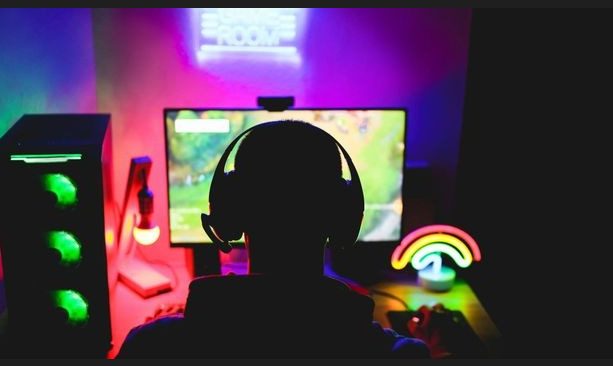
Gaming has transcended its origins as a niche hobby for tech enthusiasts, evolving into a dynamic force that shapes our social landscape in unprecedented ways. Today, gaming communities are vibrant social ecosystems where individuals connect, collaborate, and create. These communities extend far beyond mere gameplay, fostering connections, promoting inclusivity, and driving positive social change. This article explores how gaming communities are revolutionizing the social landscape, forging bonds, advocating for inclusivity, and contributing to societal betterment.
The Evolution of Gaming Communities
Early Days: From Arcades to Online Play
In the early days, gaming was a solitary or small-group activity confined to arcades or living rooms. Players would gather in person to compete or cooperate in games. The advent of online gaming in the late 1990s and early 2000s marked a significant shift. Games like “Counter-Strike” and “World of Warcraft” enabled players to connect globally, forming the first online gaming communities.
Rise of Social Media and Streaming Platforms
The rise of social media platforms such as Facebook, Twitter, and Reddit, coupled with the explosion of streaming services like Twitch and YouTube, further transformed gaming communities. These platforms provided gamers with new ways to share experiences, discuss strategies, and build relationships. Broadcasting gameplay and interacting with viewers in real-time gave rise to a new form of entertainment and community building.
Fostering Connections
Building Friendships and Networks
One of the most significant impacts of gaming communities is their ability to foster connections. Gamers from diverse backgrounds come together to share their passion for gaming. These interactions often lead to lasting friendships and networks, providing a sense of belonging and camaraderie that might be missing in their offline lives.
Cross-Cultural Exchange
Gaming communities are inherently global, bringing together people from different cultures and backgrounds. This cross-cultural exchange enriches the gaming experience and promotes understanding and tolerance. Gamers learn about different customs, languages, and perspectives, helping to break down cultural barriers and foster global friendships.
Promoting Inclusivity
Safe Spaces for Diverse Groups
Gaming communities have become safe spaces for marginalized and underrepresented groups. Communities like “Girls Who Code” and “Black Girl Gamers” provide platforms for women and people of color to share their experiences and support each other. These communities challenge stereotypes and promote diversity within the gaming industry.
Accessibility and Support
Developers and community leaders are increasingly focusing on accessibility, ensuring that games and gaming communities are welcoming to people with disabilities. Features like customizable controls, subtitles, and colorblind modes make games more inclusive. Community support groups offer resources and assistance to gamers with disabilities, helping them fully participate in the gaming experience.
Driving Positive Social Change
Fundraising and Charity Events
Gaming communities are leveraging their influence to drive positive social change. Charity events and fundraisers have become commonplace, with gamers raising millions of dollars for various causes. Events like “Extra Life” and “Games Done Quick” showcase the power of gaming communities to make a difference in the real world.
Advocacy and Awareness
Gamers are increasingly using their platforms to advocate for social issues. Streamers and influencers discuss topics like mental health, environmental conservation, and social justice, raising awareness and encouraging their audiences to take action. https://oncavip.com/ This advocacy highlights the potential of gaming communities to influence public opinion and promote positive change.
Creating Economic Opportunities
E-Sports and Professional Gaming
The rise of e-sports has opened up new economic opportunities within gaming communities. Professional gaming is now a viable career path, with players competing in tournaments for substantial prize money. This industry has created jobs for players, coaches, analysts, and event organizers, contributing to the economy and providing career paths for gamers.
Content Creation and Influencing
Streaming and content creation have become lucrative pursuits for many gamers. Platforms like Twitch and YouTube allow gamers to monetize their content through ads, sponsorships, and donations. Successful streamers and influencers can earn significant incomes, turning their passion for gaming into a profitable career.
The Future of Gaming Communities
Virtual Reality and Immersive Experiences
The future of gaming communities looks even more exciting with the advent of virtual reality (VR) and augmented reality (AR). These technologies promise to create more immersive and interactive experiences, further enhancing the social aspects of gaming. VR and AR will enable players to interact in virtual spaces that feel incredibly real, revolutionizing how gaming communities connect and engage.
Expanding Beyond Gaming
Gaming communities are expanding beyond gaming itself. They are becoming hubs for various interests, including art, music, and technology. This diversification allows members to explore new hobbies and passions, making gaming communities even more dynamic and inclusive.
Conclusion
Gaming communities are undeniably revolutionizing the social landscape. They are fostering connections, promoting inclusivity, driving positive social change, and creating economic opportunities. As technology continues to evolve, the influence of gaming communities will only grow, further transforming how we connect and interact with each other. Whether you’re a casual gamer or a dedicated enthusiast, there’s no denying the profound impact that gaming communities have on our social lives. So, the next time you log into your favorite game, remember that you’re part of something much bigger—a global community that’s changing the world, one game at a time.