Can Non-Swimmers Do Parasailing?

Parasailing is a thrilling water activity that allows participants to soar high above the water while being towed by a boat. One common question among potential participants is whether non-swimmers can safely enjoy parasailing. This article explores the considerations, safety measures, and practical tips for non-swimmers interested in experiencing parasailing.
Understanding Parasailing Safety
Parasailing is generally considered safe for non-swimmers, provided certain precautions and safety measures are observed. Operators prioritize participant safety by adhering to strict guidelines, conducting thorough safety briefings, and ensuring all equipment is in optimal condition. Here are key factors to consider:
1. Safety Equipment and Harness
Before taking flight, participants are fitted with a harness or life jacket that securely attaches them to the parasail and towline. This equipment is designed to keep participants buoyant and stable during take-off, flight, and landing, regardless of swimming ability.
2. Minimal Physical Requirements
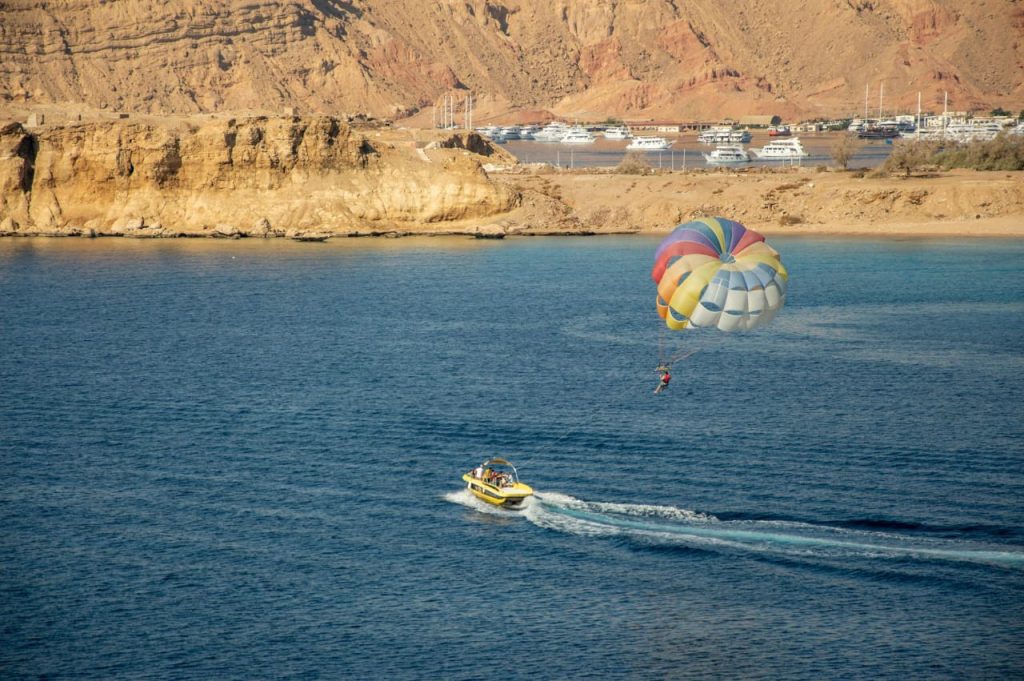
Unlike some water sports that may require swimming proficiency, parasailing does not typically involve entering the water. Participants are lifted from and land onto the boat’s deck, minimizing the need for swimming skills. Non-swimmers can comfortably enjoy the experience without needing to enter the water at any point.
3. Safety Briefing and Instructions
Before embarking on a parasailing adventure, all participants, including non-swimmers, receive a comprehensive safety briefing from experienced crew members. This briefing covers essential aspects such as how to wear and adjust safety equipment, proper positioning during take-off and landing, and what to expect during the flight. Understanding and following these instructions ensure a safe and enjoyable experience for everyone on board.
4. Operator Experience and Reputation
Choosing a reputable parasailing operator is crucial for ensuring safety, especially for non-swimmers. Experienced operators prioritize safety, adhere to industry standards, and have a proven track record of conducting safe and enjoyable parasailing experiences. Researching local operators, reading reviews, and checking certifications can help you select a reliable provider.
5. Weather Considerations
Weather conditions play a significant role in the safety and feasibility of parasailing. Operators monitor weather forecasts closely and may adjust or reschedule flights in response to adverse conditions such as high winds or storms. Clear skies, mild winds, and calm seas are ideal conditions for a smooth and enjoyable parasailing experience for participants of all swimming abilities.
Practical Tips for Non-Swimmers
- Communicate with the Operator: Inform the parasailing operator about any concerns or specific needs related to swimming ability during the booking process. Operators can provide reassurance and address any questions you may have before the adventure begins.
- Wear Suitable Attire: Dress comfortably in swimwear or lightweight clothing suitable for the weather conditions. Avoid wearing bulky or restrictive clothing that may interfere with the harness or safety equipment.
- Relax and Enjoy: Once properly briefed and securely harnessed, relax and enjoy the breathtaking views and exhilarating sensation of flying high above the water. Focus on the experience and trust in the professionalism of the parasailing crew to ensure your safety throughout the adventure.
Parasailing is an accessible and enjoyable water activity that can be safely enjoyed by non-swimmers with proper preparation and adherence to safety guidelines. By choosing a reputable operator, understanding safety procedures, and communicating any concerns, non-swimmers can embark on a thrilling parasailing experience that offers panoramic views and unforgettable memories without the need for swimming skills. Embrace the adventure, soak in the scenery, and savor the unique perspective of the coastline from high above the water’s edge.