
Enhancing Community Spaces Through Thoughtful Landscaping

Introduction
Community landscaping transcends mere aesthetics, serving as the cornerstone for cultivating vibrant, cohesive neighborhoods. Beyond its visual appeal, landscaping plays a pivotal role in shaping the character and identity of a community, offering welcoming entrances, fostering social interaction, and enhancing the overall quality of life for residents.
In this exploration of community landscaping, we delve into its multifaceted significance, delving into the strategic elements that contribute to its success and examining real-world examples that illustrate its profound impact.
From revitalizing urban spaces to enriching suburban and rural landscapes, the art of community landscaping embodies a powerful synergy between nature, culture, and human connection.
Why Community Landscaping Matters
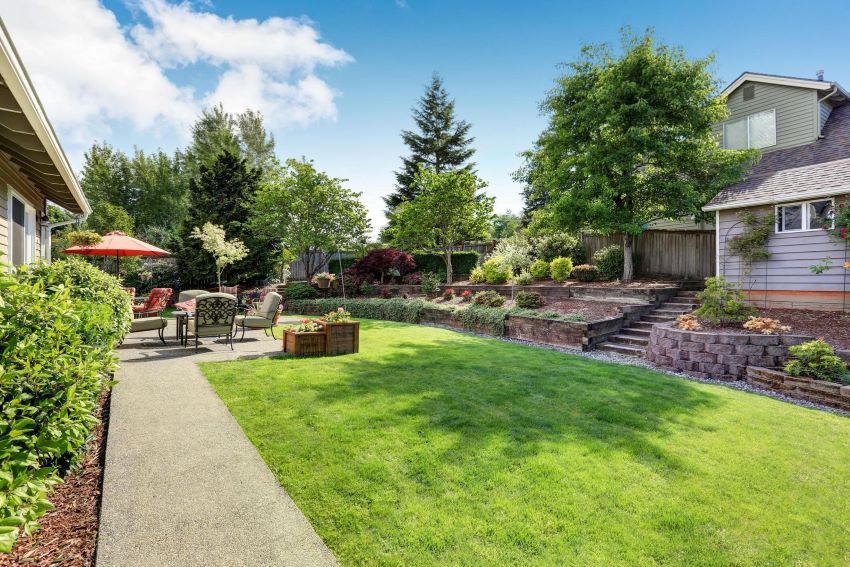
In the tapestry of community life, community landscaping serves as the vibrant thread weaving together spaces that foster connection, vitality, and a sense of belonging. Through thoughtful design and nurturing care, it transforms mere locations into cherished hubs where residents gather, nature thrives, and memories blossom.
- Creating Welcoming Entrances: The gateway to a community sets the tone for what lies beyond, beckoning residents and visitors alike with its warmth and charm. Through a harmonious blend of greenery, architectural elements, and thoughtful signage, welcoming entrances extend an open invitation, signaling a sense of belonging and hospitality from the moment one arrives.
- Fostering Social Interaction: Community landscaping lays the groundwork for meaningful connections by providing inviting settings for gatherings, conversations, and shared experiences. From bustling parks to serene plazas, these green spaces become catalysts for spontaneous interactions, forging bonds that strengthen the fabric of the community.
- Improving Quality of Life: Community landscaping is more than just aesthetics; it’s a catalyst for enhancing the well-being of residents. By providing green spaces for recreation, reducing pollution, and promoting mental health through connection with nature, landscaping directly contributes to a higher quality of life for individuals and communities alike.

Key Elements of Successful Community Landscaping
In the pursuit of vibrant and inviting community spaces, several key elements emerge as pillars of success. From strategic plant selection to sustainable practices, each aspect plays a crucial role in shaping landscapes that foster connection, well-being, and pride among residents.
- Strategic Plant Selection: Strategic plant selection involves choosing native species that thrive in the local climate, contributing to ecosystem health and resilience, while also considering factors like seasonal aesthetics and maintenance requirements.
- Thoughtful Design Principles: Incorporate focal points and visual hierarchy to guide visitors through the space while balancing open areas with spots for shade and shelter, ensuring a harmonious blend of aesthetics and functionality.
- Sustainable Practices: In sustainable practices, communities can implement water-wise landscaping techniques and utilize permeable paving to mitigate stormwater runoff, fostering resilience and environmental stewardship.
- Community Involvement: Community involvement in community landscaping is crucial for creating spaces that resonate with residents, fostering a sense of ownership and pride. Through collaborative efforts in planning and maintenance, communities can cultivate vibrant landscapes that reflect their unique identity and values.
Challenges and Solutions in Community Landscaping
Navigating challenges in community landscaping requires innovative solutions and collaborative efforts. From budget constraints to climate considerations, addressing these obstacles is essential for creating sustainable and thriving outdoor spaces that benefit all members of the community.
- Budget Constraints: Budget constraints often present a significant challenge in community landscaping projects, requiring creative funding strategies and prioritization of resources to ensure the long-term sustainability and success of green initiatives.
- Climate Considerations: Climate considerations are vital in community landscaping, ensuring resilience to extreme weather and water scarcity through drought-tolerant plants and sustainable design practices.
- Community Engagement: It is the cornerstone of successful community landscaping projects, fostering a sense of ownership and pride among residents. By actively involving community members in the planning and decision-making processes, landscapes can truly reflect the diverse needs and desires of the people they serve.
Looking Ahead: Trends in Community Landscaping
Looking ahead, community landscaping is poised to embrace innovative trends that integrate green infrastructure, prioritize wellness, and harness technology for sustainable and engaging environments.
- Green Infrastructure: Green infrastructure integrates landscaping with urban planning to create resilient, eco-friendly solutions, such as green roofs, bioswales, and permeable surfaces, addressing environmental challenges while enhancing community spaces.
- Wellness Gardens: Wellness gardens are meticulously designed havens that offer respite from the bustle of daily life, providing a sanctuary for rejuvenation and reflection amidst carefully curated natural elements aimed at promoting holistic well-being.
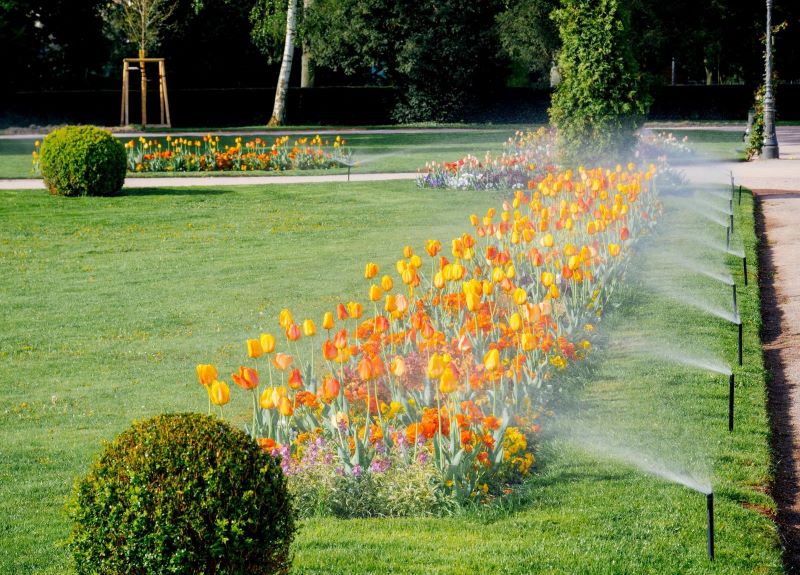
- Smart Landscaping: Smart landscaping integrates technology for efficient irrigation and maintenance, utilizing sensors and data analytics for real-time monitoring and creating interactive experiences through augmented reality and digital art installations.
Conclusion
In conclusion, community landscaping serves as a catalyst for positive change, fostering connections between people and their environment while enhancing the overall livability of neighborhoods and cities.
By embracing innovative practices such as green infrastructure, wellness gardens, and smart landscaping, we can address pressing challenges such as climate change, public health, and social equity, while simultaneously celebrating the beauty and diversity of our communities.
As we look ahead, let us continue to collaborate, innovate, and invest in the transformative power of landscaping to create inclusive, resilient, and sustainable places where people can thrive for generations to come.


