Shade Cloth Inside Or Outside Greenhouse: Optimal Placement
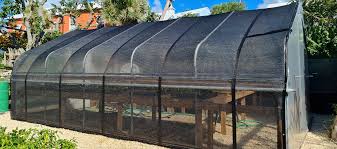
Shade cloth is typically installed on the outside of a greenhouse. This positioning maximizes its efficiency in cooling and protecting plants from harsh sunlight.
Selecting the correct placement for a shade cloth inside or outside greenhouse is critical for greenhouse plant health and productivity. An exterior placement ensures the fabric intercepts solar radiation before it penetrates the greenhouse, reducing heat buildup and providing a cooler environment for plant growth.
Using shade cloth outside also diminishes the risk of overheating and sun damage, which are common issues during the warmer months. Furthermore, external application is easier to manage and allows for better air circulation around the plants. This strategic use of shade cloth is a simple yet effective way to create optimal growing conditions in your greenhouse, ensuring your plants remain vibrant and healthy throughout the year.
The Role Of Shade Cloth In Greenhouse Cultivation
The Role of Shade Cloth in Greenhouse Cultivation
Greenhouses offer plants a warm home. Yet, too much sun can harm them. This is where shade cloth becomes vital. It acts like sunglasses for greenhouses. It keeps plants cool and safe from hars rays. Let’s dive into why using shade cloth matters so much.
Benefits Of Using Shade Cloth
Shade cloth comes with great perks for your plants:
- Controls Light: It filters sunlight, giving plants the right amount.
- Reduces Heat: By blocking out some sun, it keeps your greenhouse cooler.
- Protects Plants: Plants stay safe from sunburn and heat stress.
- Improves Growth: With better conditions, plants grow stronger.
- Saves Water: Cooler temps mean less water evaporation.
Types Of Shade Cloth Materials
Shade cloths come in different types. Each has its own special features.
| Type | Material | Features |
| Knitted | Polyethylene | Lightweight, durable, and lets air pass through. |
| Woven | Polypropylene | Tighter weave, offers more shade, and lasts long. |
| Aluminet | Metalized fabric | Reflects heat, cools down area, and is very effective. |
Choosing the right type depends on your plants and climate. Think about what your greenhouse needs before picking one.
Internal Vs. External Shade Cloth: A Comparison
Welcome to our deep dive on optimizing sunlight in your greenhouse! Shade cloths can prevent scorching sunlight from harming your plants. They can go inside or outside a greenhouse. Each location has unique benefits and drawbacks. Let’s compare both options so you can choose the best for your gardening needs.
Pros And Cons Of Internal Placement
Internal shade cloths are installed inside the greenhouse. They can be easier to set up and adjust.
| Pros of Internal Placement | Cons of Internal Placement |
| Easy to install and moveProtects cloth from weatherAdjusts light without cooling | Less cooling effectCan trap heat under clothPossible plant contact |
Pros And Cons Of External Placement
External shade cloths go on the outside of the greenhouse. They provide a strong guard against excessive heat.
| Pros of External Placement | Cons of External Placement |
| Better temperature controlPrevents light from enteringReduces heat build-up | Exposed to weatherChallenging to installMay need frequent replacement |
Factors Influencing Shade Cloth Placement
Choosing the right spot for a shade cloth can be tricky. Many factors play a role in this decision. Think about the climate and your greenhouse design. These points guide you to the best spot for your shade cloth. Let’s explore these factors in more detail.
Climate Conditions And Weather Patterns
Plants need protection from harsh sun. But they also need some light. The climate you live in tells you how much shade your plants need. Hot, sunny places might need more shade. Wet, cool areas might need less.
- Intense sunlight: If the sun is strong, the shade cloth might go outside.
- Heavy rains: Outside placement can protect the cloth from getting soaked.
- Wind: A cloth outside needs to withstand the wind.
Greenhouse Structure And Design
The way your greenhouse is built also affects cloth placement. Different designs work well with shade cloths in different spots. Here is what to consider:
| Type of Greenhouse | Shade Cloth Placement |
| With vents or openings: | Outside for direct protection, inside if it gets windy often. |
| Solid glass or plastic: | Outside to prevent trapped heat, inside to protect glass or plastic. |
| Frame material: | Strong frames can handle outside cloth, lighter ones might not. |
By considering both the climate and the design of your greenhouse, you can make an informed decision on where to place your shade cloth for optimal plant growth and protection.
Step-by-step Guide To Installing Shade Cloth
Welcome to your Step-by-Step Guide to Installing Shade Cloth over your greenhouse! Whether you’re a seasoned green thumb or taking your first dive into greenhouse gardening, putting up a shade cloth is a game changer. It shields your plants from the harsh rays of the sun, providing a more controlled environment for them to thrive. Follow this simple guide, and you’ll have your shade cloth installed in no time.
Tools And Materials Needed
Before we get started, ensure you have all the right tools and materials for a smooth installation:
- Shade cloth: Select a cloth with the appropriate density for your plants’ needs.
- Measuring tape: For precise measurements of your greenhouse.
- Scissors or a utility knife: To cut the cloth to size.
- Zip ties or clips: To secure the cloth in place.
- Ladder: For easy reach during installation.
- Gloves: To protect your hands while handling the cloth and tools.
Installation Tips For Optimal Performance
- Measure Precisely: Use your measuring tape to get the exact dimensions of your greenhouse roof and sides.
- Cut Accordingly: With your measurements in hand, cut the shade cloth. Leave a little extra on each side for secure fastening.
- Secure the Top: Starting at one end, use zip ties or clips to attach the cloth to the frame, pulling it taut as you go.
- Work Your Way Down: Once the top is secure, move to the sides, ensuring the cloth is not sagging anywhere.
- Adjust as Needed: Check for any loose areas and tighten them up. The shade cloth should be firm but not overstretched.
With these easy steps, your greenhouse will be perfectly outfitted to keep your plants protected and prosperous.
Maintenance And Care For Lasting Efficiency
Maintenance and care are key to ensuring your greenhouse’s shade cloth performs optimally year-round. It’s not just about having the right setup, regular upkeep is essential for lasting efficiency. This guide will walk you through the steps to keep your shade cloth in peak condition.
Regular Cleaning And Inspection Schedule
Creating a consistent cleaning schedule for your shade cloth keeps light levels optimal for plant growth. Here are practical steps to follow:
- Monthly Dusting: Gently brush off any loose debris or dust.
- Semi-annual Washing: Use a mild detergent and water to remove accumulated dirt.
- Rinse Thoroughly: Clear all soap residue to prevent material degradation.
- Inspect for Wear: Check for tears or stretched areas that may need attention.
Dry completely before reattaching the cloth to avoid mold and mildew.
Handling Damages And Repairs
Act quickly with repairs to avoid further damage to your shade cloth. Here’s what you need to do:
- Assess Damage: Look for holes, frays, or weak spots.
- Clean Area: Ensure the damaged spot is clean before patching.
- Use Repair Kit: Apply specialized tape or patches designed for shade cloths.
- Seek Professional Help: For large tears, consult with experts.
Following both regular maintenance and prompt repairs will maximize your shade cloth’s life span.
Frequently Asked Questions For Shade Cloth Inside Or Outside Greenhouse
Should Greenhouse Shading Be Inside Or Outside?
Greenhouse shading can be either inside or outside. Outside shading provides better heat reduction, while inside shading offers easier installation and adjustment. Choose based on your specific climate control needs and maintenance preferences.
Where Do You Put Shade Cloth On A Greenhouse?
Attach shade cloth to the exterior of your greenhouse on the roof and along the sides that receive the most sunlight, typically the south and west sides. Use clips or ties to secure it in place, ensuring adequate coverage during peak sun hours.
What Is The Best Way To Shade A Greenhouse?
The best way to shade a greenhouse is by using external shade cloth, reflective films, or internal shade paints. Choose materials based on your climate and plant needs. Regularly adjust shading to accommodate seasonal changes for optimal plant growth.
Does Shade Cloth Reduce Heat In Greenhouse?
Yes, shade cloth can significantly reduce heat buildup in a greenhouse by filtering out excess sunlight and providing cooling shade.
Conclusion
Deciding where to place shade cloth will now be clearer with these insights. Outside installation battles heat before it enters, extending the life of your cloth. Inside attachment provides easier access for adjustments. Whichever you choose, the goal remains consistent: to create an optimal environment for plant growth and greenhouse efficiency.
Remember, assessing your specific greenhouse conditions is key to making the right choice for your needs.