Addiction and Mental Health: Finding Hope and Healing
Addiction and mental health disorders often go hand-in-hand. It is crucial to have a thorough understanding of how they interconnect and how to overcome the stigma that comes with it. This is the first step on the recovery journey. With the right treatment methods and approach, support systems, and lifestyle changes, healing is just within reach.
Finding hope and healing from addiction and mental health challenges often requires professional support. For those seeking effective substance abuse treatment, specialized clinical services can provide a comprehensive approach to recovery. Combining therapy, medical care, and support systems can make a significant difference in overcoming these challenges.
Contents
- 1 The Interconnection Between Addiction and Mental Health
- 2 Challenges in Recognizing and Accepting the Problem
- 3 Evidence-Based Approaches to Treatment
- 4 Role of Support Systems in the Healing Process
- 5 Success Stories:
- 6 Navigating Relapse and Ongoing Challenges
- 7 FAQs
- 8 Conclusion: Emphasizing Hope and Continuous Growth
The Interconnection Between Addiction and Mental Health
Addiction and mental illness feed into each other and often run simultaneously. Over half of individuals struggling with mental health issues like depression, anxiety, trauma, or insecure attachment have a higher likelihood of developing addiction or substance abuse.
For example, someone self-medicating their untreated depression or anxiety with drugs. Or, someone’s substance abuse worsening the symptoms of bipolar disorder. Treating only one condition while ignoring the other reduces the chances of sustainable recovery.
In turn, chronic substance abuse and addictive behaviors also commonly precipitate mental health problems due to changes in brain chemistry and increased life chaos over time. Furthermore, the stress of an untreated mental health disorder can trigger relapse back into active addiction following treatment.
This phenomenon of simultaneous addiction and mental health disorders is known as a dual diagnosis or co-occurring disorders. According to research, over 50% of individuals seeking addiction treatment also live with one or more mental health conditions.
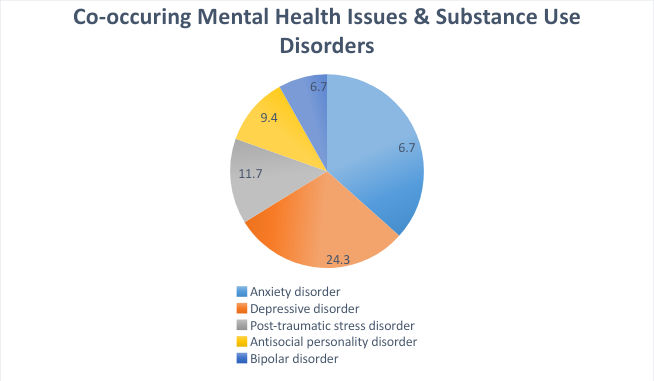
When mental health and addiction issues fuel each other, treating just one condition often leads to poor results or premature relapse. integrated treatment approaches that are aimed at tackling both conditions simultaneously have shown greater promise A proper dual diagnosis initiates the journey towards healing and long-term recovery.
Challenges in Recognizing and Accepting the Problem
In modern-day society, there is a significant social stigma surrounding addiction and mental health issues. This prevents many people, both adults and teenagers, from acknowledging they need help, which is a vital first step towards healing.
Eliminating that mentality, rejecting the perspective that society has painted for people with mental health disorders and addiction, and accepting the need for help paves the path to recovery.
Evidence-Based Approaches to Treatment
After diagnosing addiction and any co-occurring mental health disorders, quality addiction treatment becomes the next vital step. A personalized treatment plan encompassing multiple addiction treatment approaches tailored to the individual’s needs is crucial for success. This allows for simultaneously addressing substance abuse as well as any underlying or resulting mental health issues. Integrated treatment approaches result in better recovery outcomes. Suggesting positive mental health activities for teens, like art, music, or sports, can help promote well-being and prevent substance abuse.
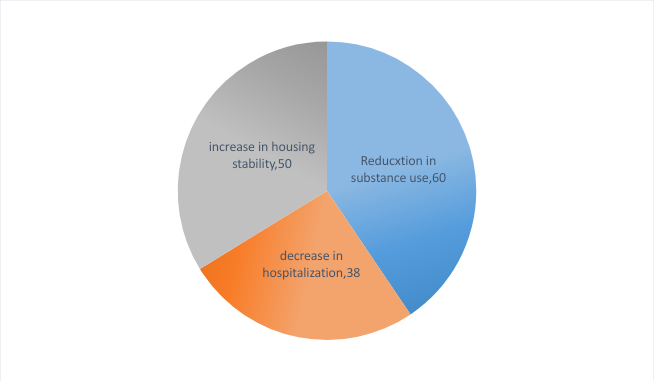
These approaches include:
1. Medication
Certain medications administered by medical professionals can be enormously beneficial for both addiction treatment and mental health recovery. These include:
- For addiction: Drugs that curb cravings, ease withdrawal symptoms and block addictive effects.
- For mental health: Antidepressants, anti-anxiety meds, mood stabilizers to relieve symptoms.
Medications coupled with counseling ensure the underlying issues of driving disorders are also addressed.
2. Psychotherapy
Various forms of talk therapy and behavioral treatment enable individuals to identify the underlying issues, adjust thought patterns, build coping mechanisms and minimize triggers. These include:
Cognitive Behavioral Therapy: Changing thought and behavior patterns
Dialectical Behavior Therapy (DBT): Regulating emotions and managing distress
Contingency Management: Providing incentives to reinforce positive behaviors
Group Therapy: Support and shared understanding
3. Holistic Healing
Complementary treatment approaches that engage both mind and body aid in managing stress, improving sleep, boosting nutrition and promoting overall wellness:
Yoga and Meditation: Building emotional awareness and resilience
Art Therapy: Processing emotions through creative expression
Music Therapy: Alleviating anxiety and depression
Nutritional Counseling: Stabilizing physical health
4. Peer Support
Ongoing community support provides strength and accountability between those sharing similar struggles. This sense of belonging carries members through even the hardest days.
Treatment success often requires multiple coordinated approaches tailored to the individual for lasting change rather than a one-size-fits-all solution.
Role of Support Systems in the Healing Process
A strong support system plays a pivotal role in the recovery and convalescence process. Healing is a lifelong journey that requires a strong system meant to usher support. These include:
Family and Friends
Having your family and friends around you to support and motivate you tends to bolster the whole process of healing. Family and friends play an integral role in motivating individuals throughout treatment and beyond. Family therapy helps resolve enabling behaviors that could be hindering the healing process.
Support Groups
With the aid of support groups and peer support, the community is fostered, which provides motivation and accountability.
Treatment Professionals
Counselors, therapists, and recovery coaches guide the healing process. They help prevent relapse while equipping individuals with healthy coping strategies.
Continued access to these support systems sustains individuals through personal setbacks and the inevitable difficult days.
Lifestyle Adjustments for Sustainable Recovery
Although quality treatment and support systems help establish recovery, lifestyle factors are essential for maintaining it long-term:
- Mindfulness practices: like meditation, build self-awareness and resilience against triggers.
- Regular exercise: boosts feel-good endorphins while managing stress.
- Good sleep habits: regulate mood and decision-making abilities.
- Healthy eating: provides nutrients while avoiding blood sugar crashes.
Implementing these positive lifestyle adjustments helps achieve a balanced and fulfilling life in recovery.
Success Stories:
Hearing others conquer their addictions and reclaim their lives brings comfort and hope. Many brave individuals now share their stories publicly, both to inspire and reduce stigma. Their journeys, once punctuated by hopelessness, now overflow with gratitude and meaning.
“There is no force more powerful than someone who has fought their way back from rock bottom.” The Mighty
It is important to know that setbacks don’t indicate failure; they are opportunities to adjust treatment plans and refine coping strategies. Managing chronic mental health conditions requires ongoing vigilance as well. Support systems help ground and motivate individuals through these times. Treatment professionals also collaborate in updating plans to fit changing needs and challenges.
While the path has twists and turns, healing is about forward progress overall – even if gradual. Gradual progress supersedes perfection.
FAQs
Question: How does one differentiate between addiction and mental health issues?
Answer: Trained medical professionals carefully analyze symptoms and patterns to provide accurate diagnoses. Both issues manifest uniquely biologically and psychologically but often coincide.
Question: What first steps will help a loved one with a dual diagnosis?
Answer: Compassionately acknowledging the problem and seeking a professional assessment is vital. Inpatient treatment may be required to safely detox before addressing mental health needs.
Question: Can lifestyle changes alone help addiction/mental health recovery?
Answer: Lifestyle changes like nutrition, exercise, and mindfulness do boost the overall well being necessary for recovery. But evidence-based treatment targeting root causes along with support systems leads to lasting change
Conclusion: Emphasizing Hope and Continuous Growth
Addiction and mental health disorders result from complex interactions between genetics, trauma, environment, and neurobiology. Recovery is a nuanced journey that unfolds in its own time. With comprehensive treatment, strong support systems, determination, and positive lifestyle changes, individuals can overcome addiction, manage their mental health, and lead deeply fulfilling lives aligned with their values. Healing demands tremendous courage, resilience, and vulnerability. But the hope each recovered life epitomizes makes the difficult journey indeed worthwhile.