Navigating the QLD Smoke Detector Regulations: A Definitive Guide for Homeowners and Landlords
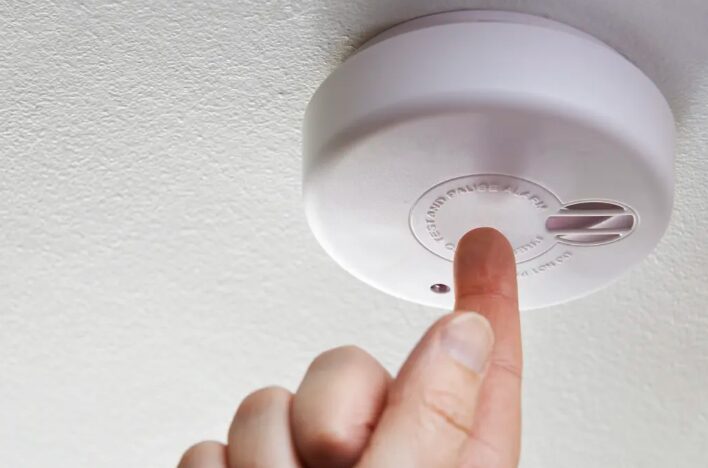
Smoke alarms are among the few devices that are essential to home safety. These little gadgets act as silent protectors, ready to trigger an alert should smoke or fire become a concern. Their importance cannot be overstated as the first line of protection against catastrophes in the future..
In a world without these protectors, it’s possible that people wouldn’t detect the faint smell of smoke until it was too late. Thankfully, the importance of QLD smoke detector regulations have been acknowledged on a great scale, resulting in strict laws ensuring that they are always present in residential areas of the city.
Queensland’s Smoke Alarm Law’s Historical Background
Queensland has seen a fair amount of fire-related events, much like many other places. The state government adopted comprehensive smoke alarm regulations as a proactive reaction to this. These restrictions have their roots in a shared desire to protect people and their belongings.
These laws are often the result of catastrophic events that act as wake-up calls. Driven by a responsibility to safeguard their electorate, Queensland’s legislators set out to draft laws that would establish the benchmark for home fire safety.
The Queensland Smoke Alarm Laws as of Right Now
In the modern day, Queensland has a strong set of smoke alarm laws that are intended to eliminate any possibility of confusion. Complying with these standards is essential for both landlords and homeowners since it involves more than simply checking boxes; it is a commitment to put occupant safety first.
The law specifies what kind of smoke alarms to install in residential buildings as well as how they must be linked. These guidelines are carefully designed to provide the best possible coverage and reaction in the case of a fire.
Important Requirements and Compliance Deadlines
Staying aware of important criteria and compliance dates is essential for navigating the complex web of smoke alarm laws. Queensland’s laws have established precise deadlines that tenants and landowners must follow, resulting in a methodical implementation process.
In every bedroom, photoelectric smoke alarms must be installed. In the halls, connected alarms must be placed, ensuring compliance with Australian Standard AS 3786-2014. The significance of meeting these milestones is emphasized by the legal consequences that arise from failing to do so.
Installation and Upkeep Instructions
When installing smoke alarms, there’s no universal solution. Homeowners and landlords should know the laws governing the placement of this life-saving equipment. For best functioning, it’s important to know the subtleties of installation, such as the ideal height and distance from sleeping places.
Just as important is continuing to commit to routine maintenance. Testing, replacing batteries, and resolving issues promptly are crucial for flawless functioning of smoke alarms when needed most.
Who is Responsible for compliance with Laws?
Regarding Owners
Homeowners should be the ones to ensure that smoke alarm rules are observed since they are the ones who live in their houses. Knowing the requirements and taking proactive measures to meet them is not only legal, but it also demonstrates your concern for the security and well of your loved one.
Regarding Landlords
As guardians of the property, landlords have some of the obligation for smoke alarm compliance. This covers both the initial installation and continuing maintenance of these devices. An attentive and accommodating manner may greatly aid in creating a safe and secure living space for renters.
Cost and Financing Sources for Adhering to the Law
Smoke alarm laws may require compliance, which raises financial concerns for many. Although the initial outlay is necessary for safety, there are ways to reduce costs. Tax deductions, insurance incentives, and government subsidies are a few possible sources of assistance for those who want to fulfil their compliance requirements without going over budget.
Managing Smoke Alarm Requirements for Sellers During Real Estate Transactions:
For Sellers
As part of the duties that come with selling a house, one must make sure that smoke alarms adhere to current requirements. Before advertising a house, any flaws should be fixed. This simplifies the closing process and maintains the priority that every homeowner should have for their safety.
For Buyers
When determining if a house they want to buy has smoke alarms, prospective purchasers should exercise caution. To properly navigate the real estate market, it’s important to look for evidence of compliance, comprehend the sorts of alarms placed, and incorporate prospective improvements into discussions.
For Tenants
It is imperative that tenants maintain smoke alarms in the areas they rent. Keeping an apartment secure requires regular contact with landlords, reporting problems as soon as they arise, and following procedures for testing alarms.
In summary
It’s not only wise but necessary to grasp the subtleties of Queensland’s complex smoke alarm legislation. Compliant smoke alarms provide a safety net that goes beyond the letter of the law; it is a shared commitment to creating safe homes and communities. Homeowners, landlords, and renters collaborate to mitigate fire damage by navigating regulations. Queensland’s smoke alarm laws are more than rules; they safeguard people and property, reflecting the state’s commitment to citizen safety.