What are pros and cons of solar energy?
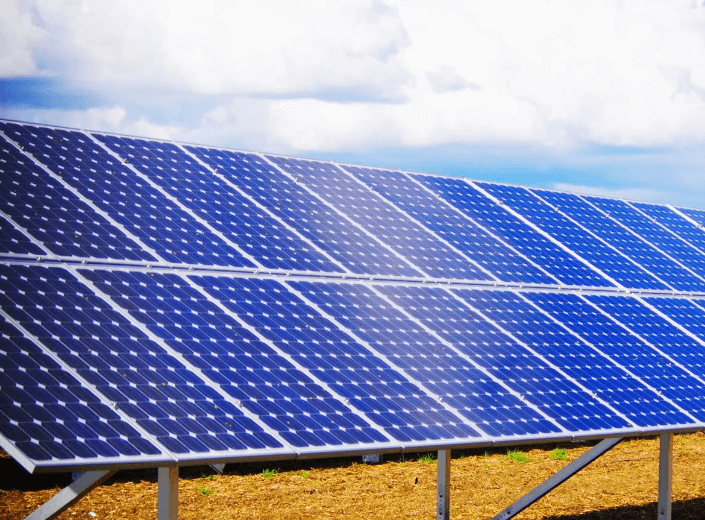
In recent years, solar energy has gained significant popularity as a clean and renewable power source. Harnessing energy from the sun’s rays, solar panels have found their way into homes, businesses, and even large-scale power plants. The adoption of solar energy is driven by its numerous advantages, including environmental benefits and potential cost savings. Nevertheless, solar energy comes with challenges and limitations like any energy source. We will explore the pros and cons of solar energy to provide a comprehensive understanding of this increasingly important energy source.
Pros of Solar Energy
Clean and Renewable: One of the most noteworthy advantages of solar energy is its cleanliness and renewability. Solar panels generate electricity by converting sunlight into energy without emitting greenhouse gases or other pollutants. This environmentally friendly aspect makes solar energy a paramount contributor to reducing carbon emissions and combating climate change.
Reduced Electricity Bills: Solar panels allow homeowners and businesses to generate electricity, which can usher substantial savings on electricity bills. Excess energy can often be sold back to the grid, further offsetting costs through net metering programs.
Low Operating Costs: Solar systems have minimal operating costs once installed and properly maintained. Solar panels have a long lifespan, typically around 25 to 30 years, and mandate little maintenance beyond periodic cleaning.
Energy Independence: By generating your electricity, you become less reliant on utility companies and external power sources. This energy independence furnishes a degree of security and stability, especially during power outages or disruptions to the grid.
Remote Power Generation: Solar energy is versatile and can be harnessed in remote or off-grid locations where traditional power sources are unavailable or expensive. This capability is practical for remote communities, rural areas, and emergencies.
Job Creation: The solar industry has experienced rapid growth, ushering in job creation and economic opportunities. Solar installation, maintenance, and manufacturing jobs have increased significantly, furnishing employment opportunities in various regions.
Environmental Benefits: Solar energy lessens the dependence on fossil fuels, which contribute to air and water pollution and habitat destruction through mining and drilling. By decreasing these negative environmental impacts, solar energy helps safeguard ecosystems and public health.
Cons of Solar Energy
- Intermittent Energy Source:
Solar energy production relies on sunlight, which alters throughout the day and is affected by weather conditions. As a result, solar energy is intermittent and may not provide a constant power supply, necessitating energy storage solutions.
- High Initial Costs:
The upfront cost of purchasing and installing solar panels can be paramount, even with government incentives. This cost can be a barrier to entry for some homeowners and businesses.
- Energy Storage Challenges:
Solar systems often require energy storage solutions, such as batteries, to ensure a continuous power supply. These storage options can be expensive and may need to be substituted over the period, counting to the overall cost of the system.
- Space Requirements:
Solar panels mandate ample space for installation, which may not be feasible for some properties. Additionally, shading from nearby buildings or trees can reduce the efficiency of solar panels.
- Resource-Intensive Manufacturing:
Manufacturing solar panels demands resources such as rare minerals and metals, which can have environmental and ethical implications. Mining and processing these materials can usher in habitat destruction and human rights concerns.
- Aesthetic Concerns:
Some individuals and communities may find solar panels unattractive or disruptive to the visual landscape. This can usher in resistance or zoning challenges for solar installations.
- Limited Nighttime Power Generation:
Solar panels do not generate electricity at night, which can be a drawback for businesses or homeowners who demand power around the clock. Energy storage or backup power sources are paramount to address this limitation.
- Environmental Impact:
While solar energy is relatively clean during operation, the production and disposal of solar panels can have environmental impacts. Proper recycling and disposal methods are paramount to mitigate these effects.
- Land Use and Habitat Impact:
Large-scale solar farms may require significant land use, potentially affecting local ecosystems and wildlife habitats. Careful site selection and mitigation efforts are necessary to minimize these impacts.
Solar energy offers numerous advantages, including environmental benefits, cost savings, and energy independence. Nevertheless, it proposes challenges such as intermittency, high initial costs, and space requirements. As technology advances and costs decrease, solar energy’s pros are becoming increasingly appealing, making it a valuable and sustainable energy source for a greener future. Effective integration of solar energy into our energy mix will demand addressing these challenges and leveraging its advantages to transition toward a more sustainable and resilient energy system.