Heating Maintenance: Ensuring Efficiency, Safety, and Longevity
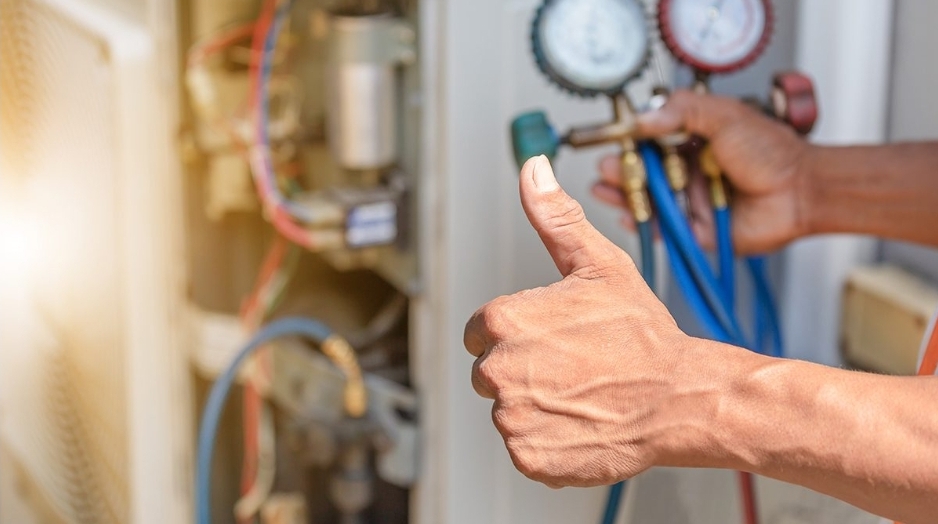
Heating maintenance plays a crucial role in homeownership, particularly in areas where cold weather is a frequent occurrence. Overlooking the care of your heating system can result in a range of issues, from reduced efficiency and higher energy bills to potential safety risks. Let’s delve into the details of heating maintenance, breaking down its importance, the maintenance process, and the silent symptoms of neglected HVAC Contractors.
Importance of Heating Maintenance:
1.Efficiency: Maintaining a heating system ensures it operates at its peak efficiency. Over time, dust, dirt, and wear and tear can reduce efficiency, causing the system to work harder and consume more energy. Regular maintenance, including cleaning and tuning, helps the system run optimally, resulting in lower utility bills.
2.Longevity: Heating systems represent a significant investment in your home. Proper maintenance can significantly extend their lifespan, protecting your investment. Replacing a heating system can be costly, making it economically wise to maximize the longevity of your current one through regular maintenance.
3.Safety: Safety should always be a top concern. Regular maintenance checks can identify and prevent potential safety hazards. Gas leaks, faulty wiring, and malfunctioning exhaust systems are serious risks that can be addressed during maintenance, ensuring the well-being of your family and property.
The Maintenance Process:
1.Initial Inspection: The maintenance process begins with a thorough inspection of the entire heating system. This includes examining all components, connections, and controls to ensure they are functioning correctly. Technicians look for signs of wear, damage, or potential issues.
2.Cleaning the Core Components: Over time, dust and debris can accumulate within the heating system, leading to reduced efficiency. Core components such as the blower, filters, and burners need regular cleaning to maintain optimal performance. Clean filters, in particular, are essential for air quality and system efficiency.
3.Tuning and Calibration: Heating systems can drift from their initial settings as they age. Regular calibrations are necessary to ensure they operate as intended. This process involves adjusting various settings to maximize efficiency and comfort, such as fine-tuning the thermostat and ensuring proper fuel combustion.
4.Safety Checks: Safety checks are a crucial part of heating maintenance. Professionals examine for any gas leaks, thoroughly inspect the exhaust system, and verify the integrity of all electrical components. Prioritizing the identification and resolution of safety concerns during maintenance is crucial for the safety and security of your household.
DIY vs. Professional Maintenance:
DIY Maintenance:
1.Replacing Filters: Homeowners can typically manage the task of replacing air filters. This helps maintain air quality, prevents dust and debris from entering the system, and ensures better airflow.
2.Cleaning Vents and Ducts: Cleaning visible vents and ducts can be done by homeowners, enhancing airflow and reducing allergens. However, accessing all parts of the ductwork may require professional assistance.
3.Basic Thermostat Checks: Adjusting thermostat settings and replacing batteries in programmable thermostats are within the capabilities of most homeowners.
4.Removing Surface-Level Dust and Debris: Wiping down the visible components of the heating system, like the outer casing, can help reduce the buildup of dust and improve system efficiency.
Professional Maintenance:
1.Annual Comprehensive Inspection: Professionals conduct a thorough examination of the entire heating system, including internal components and connections, to identify potential issues and ensure proper functionality.
2.Thorough Cleaning of Intricate Components: Experts clean core components such as the blower, burners, and heat exchanger. These parts can accumulate dirt and debris that reduce efficiency and pose safety risks.
3.Precise Calibration of System Settings: Over time, heating systems can drift from their optimal settings. Professionals recalibrate the system to ensure it operates at peak performance, maximizing both efficiency and comfort.
4.Safety Checks, Including Gas Leak Detection: Professionals check for gas leaks, inspect the exhaust system for proper ventilation, and ensure all electrical components are in good condition. Detecting and addressing safety hazards is a critical part of their service.
5.Identification of Hidden or Complex Issues: Trained technicians have the expertise to identify issues that may not be obvious to homeowners. This includes diagnosing problems within the heating unit, addressing potential electrical faults, and ensuring the entire system functions correctly.
Silent Symptoms of a Neglected Heating System:
1.Unusual Noises: If your heating system begins making unfamiliar sounds like knocking, rattling, or hissing, it’s a clear indicator that something is wrong. Ignoring these noises can lead to more significant problems down the road, potentially costing more to repair.
2.Unexpected Rise in Energy Bills: A sudden increase in heating bills, without a corresponding change in usage, is a warning sign. This might indicate that your heating system is working harder than it should due to inefficiencies or underlying issues.
3.Frequent Cycles: If you’re heating unit cycles on and off more frequently than usual, it may be struggling to maintain the desired temperature. This could be caused by various problems, including thermostat issues, clogged filters, or improper system calibration. Frequent cycling can result in wear and tear on the system.
Conclusion
Heating Services is an essential aspect of homeownership, offering benefits such as improved efficiency, extended system life, and enhanced safety. Regular inspections, cleaning, and tuning are vital to ensure your heating system operates optimally. While homeowners can handle some maintenance tasks, professional expertise is essential for a comprehensive assessment of the system, especially in identifying hidden issues and ensuring safety. By addressing potential problems and heeding the silent symptoms of neglect, you can enjoy a cozy, efficient, and safe home throughout the colder months.