
5 Historic NYC Neighborhoods Worth Visiting
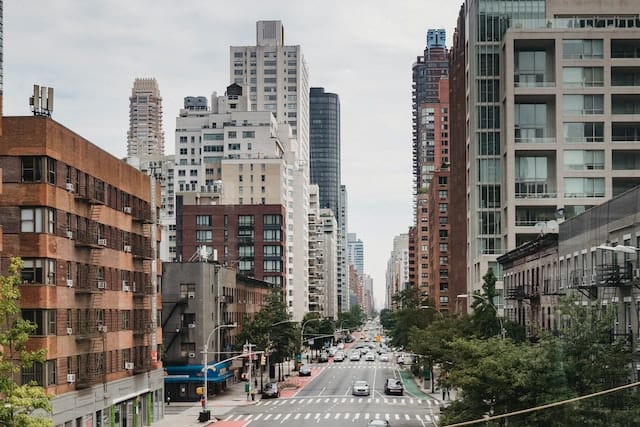
In New York City, each corner tells a tale, and every alley whispers of days gone by. Its bustling streets hold countless stories. Among its iconic skyscrapers and modern marvels lie historic NYC neighborhoods worth visiting. Often overlooked, they are the backbone of the city, housing stories and landmarks that carry the weight of centuries. From the bohemian allure of Greenwich Village to the maritime heritage of Seaport, these locales offer a lens into the city’s complex past. By exploring these neighborhoods, you become part of a narrative that stretches back centuries. In the following paragraphs, you’ll discover five New York City neighborhoods rich in history and cultural significance. Each comes with its unique attractions and ability to transport you back in time. So, prepare your walking shoes and curiosity, and let’s get started.
Greenwich Village: Where Bohemian Charm Meets Rich History
Greenwich Village has always been a magnet for free artists, thinkers and revolutionaries. Its roots trace back to its days as sprawling farmland, but it wasn’t long before it transformed into a melting pot of cultures and ideas. The iconic Washington Square Park remains the Village’s central heart, frequented by locals and tourists alike. The historic Stonewall Inn stands as a symbol of resistance and the LGBTQ+ rights movement. Over the years, Greenwich Village has been home to numerous celebrities, writers, and artists who have left an indelible mark on its character. The streets resonate with tales of artistic triumphs, revolutionary thoughts, and bohemian ideals. A stroll through its winding roads is like flipping through pages of history, showcasing how Greenwich Village, with its timeless appeal, has remained a vital chapter in New York’s grand narrative.
Harlem: The Heartbeat of African American Culture
Harlem, a rich tapestry of culture and history, is a significant name in our list of historic NYC neighborhoods worth visiting. What started as a humble Dutch village evolved rapidly, becoming an undeniable cultural epicenter. At its heart is the iconic Apollo Theater, where legends of music and performance have showcased their talents, making it a cornerstone for artistic expression in the city. Close by, Strivers’ Row offers a parade of architecturally distinct townhouses, reflecting a time of elegance and historical significance.
But perhaps the most profound chapter in Harlem’s story is the Harlem Renaissance. This intellectual, social, and artistic explosion of the early 20th century forever changed the landscape of African American arts and literature. It birthed legends, instilled pride, and showed that Harlem is not just a locality but a movement.
Historic NYC Neighborhoods Worth Visiting: Seaport
Seaport district is a testament to vibrant maritime history. Once a bustling port, Seaport became the heartbeat of trade and commerce, connecting the city to distant shores. The South Street Seaport Museum offers an in-depth look at the maritime history, while the historic ships docked at the piers provide an authentic experience and charming throwback to times gone by.
Throughout the district, energy of live music and art performances offers a lively atmosphere that celebrates history and modern culture. Visit Pier 17, a hub of entertainment, and witness breathtaking views of the iconic Brooklyn Bridge.
Though Hurricane Sandy wreaked havoc on Seaport, it also marked a pivotal moment for the neighborhood. Rising resiliently from the aftermath, Seaport has been reinvigorated with a fresh spirit and is now in its prime. The burgeoning allure of the area is drawing more and more residents, and if you are contemplating where to plant your roots next, this dynamic community might be your perfect fit. To settle in the area seamlessly, consider hiring trustworthy movers, ensuring your move into this revitalized part of NYC is effortless.
The Lower East Side: A Mosaic of Immigrant Histories
Spanning the edges of Manhattan, the Lower East Side is a testament to New York City’s storied immigrant past. For decades, this neighborhood was the first stop for countless souls seeking a fresh start in the land of dreams. Tenement Museum provides a poignant window into their lives, showing struggles, triumphs, and undying spirit. Strolling down Orchard Street, you can encounter remnants of a bygone era – from old pushcart vendors to historic buildings, offering glimpses of the daily life of early residents.
But what truly sets the Lower East Side apart is its remarkable blend of cultures. From Jewish delis to Italian bakeries and Asian markets, the area is a melting pot of traditions and flavors. Each alleyway and corner narrates tales of perseverance, hope, and community, making the Lower East Side a living, breathing mosaic of diverse histories and cultures.
Brooklyn Heights: Pioneering NYC’s First Historic District
Just a stone’s throw away from the hustle and bustle of Manhattan, Brooklyn Heights presents a serene, historically rich atmosphere. Originally envisioned as a suburb, its strategic location with ferry access made it a coveted residence for those wanting proximity to Manhattan without the accompanying noise. Today, one of its standout features is the Brooklyn Heights Promenade, offering unparalleled views of the city skyline and the majestic Statue of Liberty. Interestingly, for those considering making this historic gem their home, Movers Not Shakers NYC cite Brooklyn Heights as one of the most popular areas for settling down in the past few years. Clearly, the allure of living amidst such historical grandeur, combined with modern amenities, has many hoping to call it home.
Its streets are lined with iconic historic brownstones, each with its unique tale, reflecting the architectural grandeur of past centuries. Many writers found inspiration in its tranquil avenues, and film directors have often chosen its picturesque locales as backdrops for their tales. The result? Brooklyn Heights, over time, has become an integral character in many stories, cementing its position as an indispensable piece of New York’s culture.
The Essence of Time: Why Visiting Historic Side of NYC
Understanding a city goes beyond admiring its modern skyscrapers or navigating its bustling streets. It’s about appreciating the layers of time, stories, and lives intertwined in its foundation. Every brick, every alley, and every corner of these historic neighborhoods whisper tales of the past. These tales enhance our appreciation, offering depth and richness to our view of NYC, going beyond the usual tourist experiences.
So, let these historic neighborhoods be your classroom, your theater, your guidebook. Step out, wander, ask questions, and listen intently. In doing so, you’ll find that New York’s past is not just history. It’s a vibrant story waiting for you to discover and cherish.
Tips for a Historic NYC Journey
Planning a trip to explore New York’s historic districts can be as rewarding as enlightening. If you aim for an authentic experience, consider visiting during the spring or fall. These seasons offer mild weather, making your walks more enjoyable and allowing the neighborhoods to shine in their true colors.
Guided tours can add layers of understanding to your trip. Knowledgeable guides can reveal hidden gems and forgotten stories, providing context you might not get from simply wandering. Remember, the heart of these neighborhoods is their history. Booking a tour could deepen your appreciation, turning a casual visit into a transformative experience.
Conclusion
In this exploration of historic NYC neighborhoods worth visiting, we’ve meandered through the streets that have defined the essence of New York City. Each community offers its unique blend of history, culture, and timeless charm. Now it’s your turn to explore these vibrant areas and forge connections with the city’s rich past. We encourage you to share your experiences and insights as you uncover the layers of stories each area has to offer. Your tales add new chapters to the ongoing tale of New York. Feel free to leave comments or share your unforgettable moments. Thank you for reading!


