Best Medical School Personal Statement Examples for Success
Are you dreaming of getting into medical school and pursuing your passion for medicine? One crucial element that can make or break your application is the personal statement. In this blog, we will explore the importance of personal statements in medical school applications and what admissions committees look for in them. We’ll also dive into key components of a successful personal statement and provide you with four inspiring examples from successful medical school applicants. You’ll learn valuable lessons from these examples and discover how to improve your own personal statement. We’ve also gathered expert advice and answered frequently asked questions to help you craft a memorable and unique personal statement that will set you apart from other applicants. Don’t miss out on this ultimate guide to writing a winning medical school personal statement!
Understanding the Importance of Personal Statements in Medical School Applications
Personal statements play a vital role in medical school applications. They provide admissions committees with valuable insight into an applicant’s motivations and qualities. A well-written personal statement has the power to set an applicant apart from the competition. It allows applicants to showcase their unique experiences and perspectives, demonstrating their ability to effectively communicate and express themselves.
Admissions committees carefully review personal statements to assess an applicant’s commitment to the field of medicine. Medical school personal statement examples serve as an opportunity for applicants to highlight their passion for healthcare and their desire to make a positive impact in the lives of others. It gives them a chance to demonstrate their understanding of the medical profession and their dedication to patient care.
In crafting a compelling personal statement, applicants can draw on their life experiences, such as volunteering, research projects, or clinical experiences, to paint a vivid picture of their journey and their aspirations in the medical field. By showcasing their empathy, compassion, and communication skills, they can capture the reader’s attention and leave a lasting impression.
What Admissions Committees Look for in Personal Statements
Admissions committees place great importance on personal statements when evaluating medical school applicants. One crucial aspect they look for is a genuine passion for medicine. It’s essential for the personal statement to convey this sincere enthusiasm and dedication to the field. Furthermore, committees value well-written statements that showcase the applicant’s unique experiences and perspectives. This allows them to gain insight into the applicant’s background and understand what sets them apart.
In addition, admissions committees seek evidence of strong communication skills and the ability to work well with others. These are crucial qualities for future healthcare professionals. A successful personal statement should also highlight the applicant’s commitment to lifelong learning and personal growth. Demonstrating self-reflection and a clear understanding of the medical profession is highly valued by admissions officers.
Key Components of a Successful Personal Statement
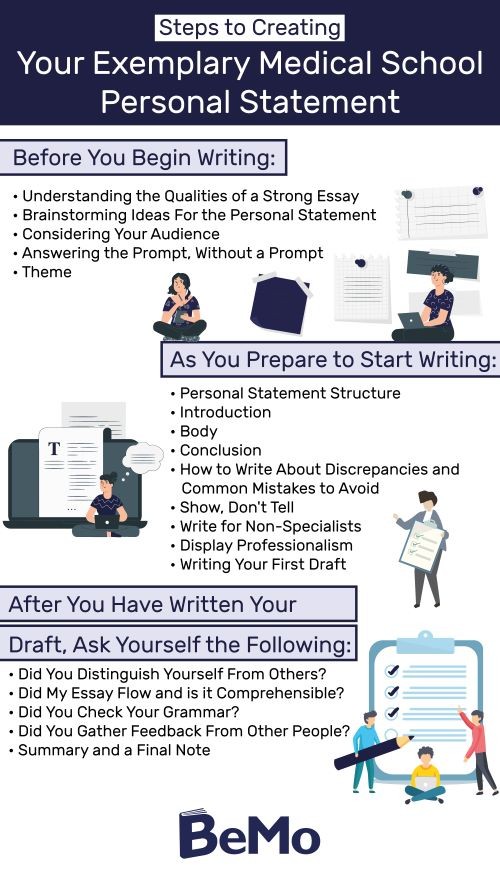
Crafting a successful personal statement requires careful attention to key components that can make your application stand out. Begin with a compelling introduction that grabs the reader’s attention, setting the stage for what’s to come. Aim for clear and concise writing that effectively communicates your experiences and motivations. Use personal anecdotes and examples to demonstrate your unique qualities and experiences, allowing the admissions officers to get a glimpse of who you are as an applicant.
A well-defined career goal is crucial in showcasing your commitment to the medical field. Explain why you are a good fit for medical school, emphasizing your passion, skills, and alignment with the institution’s values. Reflect on personal growth and the lessons you’ve learned from past experiences, illustrating your ability to learn and adapt.
To strengthen your application, secure a strong letter of recommendation that supports your personal statement. This recommendation should highlight your abilities, character, and potential as a future medical professional.
By incorporating these key components into your personal statement, you can create a compelling narrative that captures the attention of the admissions committees and increases your chances of securing a spot in your desired medical school.
How to Make Your Personal Statement Stand Out
To make your personal statement stand out, it’s crucial to showcase your unique experiences and perspectives. By sharing stories, you can engage the reader and bring your experiences to life. It’s also important to highlight your personal growth and development, demonstrating your ability to overcome challenges. This will not only show your resilience but also your commitment to pursuing a career in medicine.
Connecting your experiences and goals to the field of medicine is another way to make your personal statement memorable. By explaining how your passion for medicine aligns with your experiences, you can demonstrate your dedication and commitment to the profession. It’s essential to be authentic and genuine in your writing, allowing your true self to shine through. Admissions committees value personal statements that are honest and reflect the applicant’s true character.
In summary, to make your personal statement stand out, it’s important to showcase your unique experiences, use storytelling techniques, highlight personal growth, connect your experiences to medicine, and be authentic in your writing. By following these tips, you can create a compelling personal statement that captures the attention of admissions officers. Good luck with your medical school application!
Example 1 – The Journey of an Emergency Medicine Physician
The personal statement example I want to discuss is centered around the journey of an individual who aspires to become an emergency medicine physician. This applicant’s personal statement showcases their deep-rooted passion for helping others and their unwavering commitment to the field of emergency medicine. Throughout their journey, they have acquired a wealth of relevant experiences and skills that make them a strong candidate.
Their personal statement highlights their experiences in volunteering and how it has shaped their compassion and dedication to patient care. Additionally, the applicant shares their involvement in research projects, which not only demonstrates their curiosity and critical thinking skills but also their commitment to advancing healthcare.
One of the standout aspects of this personal statement is the applicant’s ability to weave in their personal experiences and tie them to their future goals in the medical field. They discuss their encounters with emergency departments and how those experiences solidified their desire to pursue a career in emergency medicine. By sharing these stories, the applicant captivates the reader’s attention and effectively showcases their passion for the profession.
In conclusion, this personal statement example exemplifies the journey of a future emergency medicine physician. The applicant’s experiences, skills, and commitment to patient care are carefully articulated throughout their personal statement, leaving no doubt about their determination to succeed in the medical field.
Analysis of Example 1
Example 1 in our collection of medical school personal statement examples beautifully showcases the personal growth and unwavering commitment of an individual pursuing a career in emergency medicine. The author effectively captivates the reader by highlighting their experiences in the field, demonstrating a passion and dedication that is hard to ignore. The personal statement itself is well-crafted and engaging, grabbing the reader’s attention right from the first paragraph. Throughout the statement, Example 1 effectively conveys the author’s motivation and desire to make a positive impact in the field of emergency medicine. What sets this personal statement apart from others is the author’s ability to showcase their unique qualities and life experiences, which make them stand out as a strong candidate. By sharing their journey and experiences, the author creates a narrative that resonates with admissions officers and highlights their potential for success in the medical field. This example serves as a valuable source of inspiration for future medical school applicants who aim to create a great personal statement that captures the reader’s attention and leaves a lasting impression.
Example 2 – The Essence of Empathetic Patient Care
In medical school, it is crucial to recognize the significance of showing empathy towards patients. Empathy not only enhances patient outcomes but also improves overall satisfaction. Personal experiences play a vital role in shaping an individual’s understanding of empathy in patient care. For example, specific instances of empathetic interactions with patients can deeply impact one’s perspective. Incorporating empathy into future medical practice is a goal for many aspiring healthcare professionals.
The ability to connect with patients on an emotional level is essential in providing high-quality care. Empathy allows medical professionals to understand their patients’ needs and concerns more effectively. This skill can be developed through personal experiences, such as volunteering or shadowing healthcare workers. It is important to note that empathy goes beyond just listening to patients; it involves truly understanding and acknowledging their emotions.
By incorporating empathy into their practice, future medical professionals can build strong relationships with their patients. This can lead to better communication, trust, and ultimately improved healthcare outcomes. Empathy also plays a significant role in public health, as it helps address social determinants of health and promotes equitable care.
In conclusion, empathy is the essence of patient care and a fundamental aspect of the medical profession. By fostering empathy, medical school applicants can demonstrate their commitment to providing compassionate and patient-centered care. It is not only about writing a great personal statement but also about genuinely caring for future patients.
Analysis of Example 2
Example 2 of the personal statement provides a compelling showcase of empathy’s importance in patient care. The applicant effectively highlights their ability to connect with patients on an emotional level, showcasing their commitment to understanding their needs and concerns. This example serves as a powerful reminder of the impact that empathy can have in the medical field, showing that compassionate patient care is essential for building trust and fostering positive healthcare outcomes.
By incorporating empathy into their practice, future healthcare professionals can create a supportive environment where patients feel understood and valued. Example 2 also underscores the significance of empathy in the admissions process, as admissions officers and committees look for applicants who demonstrate a genuine concern for patients’ well-being.
In addition, this personal statement exemplifies the writer’s understanding of the importance of empathetic communication skills in delivering quality healthcare. By showcasing personal experiences and storytelling, the author captivates the reader’s attention and creates a connection that goes beyond the traditional medical school requirements.
Ultimately, Example 2 reinforces the notion that empathy is not only crucial for effective patient care but also for becoming a well-rounded and compassionate medical professional. By recognizing the impact of empathy and incorporating it into their personal statements, medical school applicants can demonstrate their commitment to providing excellent care and positively impacting future patients.
Example 3 – The Significance of Individualized Care in Medicine
The personal statement within this medical school application serves as a platform to highlight the significance of individualized care in the field of medicine. Through a deeply personal experience, the author portrays how individualized care can have a transformative impact on a patient’s outcome. Their commitment to providing personalized and compassionate care shines through their narrative. The personal statement also delves into the author’s academic and extracurricular experiences, showcasing how these have prepared them for a career focused on individualized care. It becomes evident that the author possesses a genuine passion for medicine and a sincere desire to make a difference in the lives of patients through personalized care. By seamlessly incorporating their life experiences and their journey toward medical school, the personal statement captivates the reader’s attention. It emphasizes the importance of human connection, empathy, and tailoring medical care to suit the unique needs of every individual. This personal statement serves as an exemplary model for aspiring medical school applicants who aim to deliver exceptional healthcare while prioritizing the well-being of their future patients.
Analysis of Example 3
Example 3 highlights the significance of personalized care within the medical field. The writer’s personal statement effectively emphasizes their understanding of the impact individualized care can have on patients. Through specific experiences and anecdotes, they illustrate their belief in treating patients as unique individuals with diverse needs. This showcases their strong commitment to providing compassionate and personalized care to future patients. Readers gain insight into the writer’s passion for medicine and their dedication to making a difference in patients’ lives through individualized care. By weaving together their academic and extracurricular experiences, the writer demonstrates their preparedness for a career focused on personalized care. Example 3 serves as a powerful reminder of the importance of tailoring treatment to each patient’s specific requirements, ultimately leading to better healthcare outcomes. The writer’s ability to convey their commitment to personalized care captures the attention of admissions officers and illustrates their potential as a future medical professional.
Expert Advice for Your Medical School Personal Statement
Highlighting your passion and dedication to the field of medicine is crucial in your medical school personal statement. It’s important to share personal experiences that have shaped your desire to pursue a career in medicine, as this will help you stand out from other applicants. Discuss any unique qualities or skills that set you apart, whether it’s your volunteer work, research experience, or strong communication skills. Remember to be authentic and genuine in your writing, showcasing your true self. Seeking feedback from trusted mentors or professionals can ensure that your personal statement is strong and impactful. To engage your reader, use vivid language and storytelling techniques throughout your statement. By following these expert pieces of advice, you can create a compelling personal statement that captures the attention of admissions officers and highlights your potential as a future medical student.
Seeking Professional Help for Your Personal Statement
Seeking professional help for your personal statement can provide valuable guidance and insight in crafting a compelling narrative. By working with professionals, you can ensure that your personal statement effectively showcases your strengths and experiences. Professional editors and consultants offer objective feedback, helping you highlight key aspects of your journey in medicine and stand out among other applicants. Additionally, seeking professional help saves you time and stress by providing expert guidance on structure, content, and presentation.
When crafting your personal statement, it is crucial to engage the reader’s attention right from the first paragraph. A well-written personal statement should demonstrate your passion for the medical field, drawing upon personal experiences, such as volunteering or research projects. It is also important to emphasize qualities like compassion, empathy, and strong communication skills. Sharing unique life experiences and how they have led you to pursue a career in healthcare can make your personal statement memorable.
Admissions officers and committees look for personal statements that not only highlight academic achievements but also reflect a deep understanding of the medical profession and its impact on patients. Seeking professional assistance can help you create a strong personal statement that conveys your commitment to patient care and your desired career path.
Conclusion
In conclusion, a personal statement is an essential component of your medical school application. It offers you the opportunity to showcase your unique experiences, qualities, and aspirations that make you a strong candidate. By understanding what admissions committees are looking for and learning from successful examples, you can craft a memorable personal statement that stands out from the competition.
Remember to convey your passion for medicine, highlight your personal journey, and demonstrate your commitment to patient care. Make sure your personal statement reflects your individuality and showcases your strengths and values. Seek expert advice, review frequently asked questions, and take the time to revise and refine your personal statement until it truly represents who you are as an aspiring medical professional.
Start working on your personal statement today and make it a powerful tool in your journey to medical school success.