9 Tips for Prioritizing Real Device Testing to Maximize Test Coverage
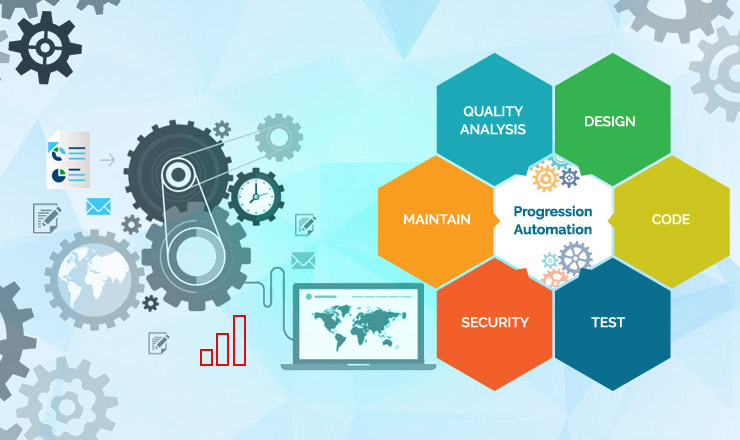
Since the early stages of developing apps, application testing has advanced significantly. This is because the developers had to simultaneously improve the test cases and the app’s structure to ensure they accurately verified all the components of a contemporary application. For instance, during this process, the developers must check not only the functionality of each component that makes up a web application but also how they all work together. In this process, the app developers also have to verify that any new feature in the app does not break or hamper the functioning of all the existing features. Real device testing is another important process that helps developers analyze modern applications’ capabilities properly. The developers can benefit greatly from integrating automation testing in the modern application test bench.
With this article, we will understand the scope of modern real-device testing. We will also discuss some of the best tips that can help app developers to prioritize their real device test cases for improving the overall test coverage. Finally, we will discuss some of the best tools and platforms to help developers in the modern app development life cycle.
Contents
Understanding the Modern Device Market
During the early years, desktop computers were the only way to access the Internet. Additionally, the desktop was the only platform for creating and utilizing multiple applications. However, as technology has advanced, portability has grown in importance. Many alternatives are available now, including smartphones, tablets, and even smartwatches.
With these gadgets, the end users can achieve desktop-like performance on devices that fit in their pockets. So, the app development market quickly understood the scope of this industry and started providing compatibility for these devices as well. Current statistics show that mobile users dominate over 55% of the total Internet traffic. Experts also believe this number will continue to rise in the coming years.
However, the mobile market is often considered one of the industry’s most diverse and cluttered segments. This is because, in the mobile market, there are various popular operating platforms like Android, iOS, and Windows. For reference, only on the Android platform more than a thousand new devices come to the market every year. Each of these devices is unique in terms of display, hardware, device specifications, and other features. So, the application developers need help generalizing the test cases for these devices. Moreover, it also becomes important for app developers to provide continued support on legacy devices. This is because various statistics show that 75% of end users wait to update their devices for three years.
Scope of Real Device Testing
Since it is impossible to generalize the test cases, many companies take shortcuts and use various simulation and emulation software systems. However, the app developers need to understand that using this software, it is impossible to understand the effect of physical parameters on the functioning of the application. For instance, emulators cannot show how the application will behave based on changes in bandwidth, available battery, or even user interaction errors. In such cases, the developers will be forced to maintain an onsite device lab consisting of multiple physical devices. However, it is a costly process to maintain such a lap. The developers will also have to invest a significant amount of time to keep this lab updated based on all the new additions in the mobile segment.
Best Tips to Practice Real Device Testing
Various practices can help application developers to utilize the full potential of their real device test bench. To properly educate the new developers and spread awareness among the veterans, here is a list of some best tips that can improve test coverage with real device testing. They are as follows:
- The first step is to identify the target devices. These will be the devices that play a critical role in the target audience base of the company.
- After this process, the developers must customize their test bench to ensure that their application performs properly on all these devices. It is also essential for app developers to ensure stable performance on all the popular devices currently available.
- Before executing real device testing, the application developers need to analyze the user data. This data will provide vital information regarding the target consumers’ preferences. It can consist of details like mainly used operating systems, display resolution, and other parameters. This data allows developers to customize the application testaments to provide the most optimal end-user experience.
- Application developers need to conduct test cases on multiple operating systems. This is because verifying the stable performance of the app on multiple operating systems will ensure improving the audience reach of the company. It is one of the most dominating factors that will help app development companies increase their prospective users, irrespective of the steep competition in this segment.
- Screen size has a crucial role in dictating the end-user experience while using an application. This is because, irrespective of the changes in the screen size, the application developers must ensure that all the elements present in the user interface retain their position and are usable by the customers. App developers need to consider all of these factors while devising the test cases for the application.
- The application developers need to realize that all the end users will not have access to stable Internet connections because a huge segment still has low bandwidth connections like 3G or even 2G. So, the application developers and testers need to create adequate test cases that can verify the functioning of the application on all of these networks during this test. It is crucial to validate that at least the application’s basic features are functional irrespective of bandwidth drops.
- While developing the test cases for real device testing, the developers must consider device fragmentation. The term device fragmentation means that despite being from the same manufacturer, the devices can significantly differ in software and hardware configuration. The developers should try to include representative devices from all of these segments to improve their overall test coverage. For better understanding, the application developers can conduct a thorough market survey and understand the requirements and preferences of their users.
- While writing real device test cases, it is essential to consider real-world scenarios. This means that developers must consider external factors like environment, user knowledge, and other parameters that can affect the functioning of the application. Considering these factors in the test cycle can help improve the application’s reach. During this process, the developer should also analyze the change in the application’s behavior based on increased user traffic. It is an essential stress-testing mechanism to ensure that the app will not crash, irrespective of the load.
- Finally, the developers must include cloud platforms in the application testing cycle. This is because it becomes almost impossible for app developers to have hundreds of real devices available on-site. On the other hand, cloud platforms make it very easy through their servers.
Influence of Tools and Platforms in Modern Test Bench
As we discussed earlier, setting up and maintaining a physical device testing lab is quite expensive. However, certain alternatives like cloud platforms can help developers to achieve similar test results while executing all the test cases over the internet. With these platforms, the developers initiate and run the test cases on remote servers that consist of hundreds of real devices—with these servers, initiating and testing cases from anywhere without worrying about location barriers. These servers also provide access to hundreds of legacy devices that are no longer available on the market. We can learn about the influence of cloud platforms on the modern application development industry by bringing in LambdaTest as a benchmark point:
For introducing LambdaTest, it is a modern cloud-based digital experience testing platform to verify the performance of the latest web apps. It can run all the test cases on real devices stored on remote servers. The modern app development market uses cross-browser testing as the highest standard for ensuring the application’s stability irrespective of the user shift in the operating system, device version, or browser version. LambdaTest also has various collaborative features like parallel test execution on multiple machines to improve the efficiency of the test cases. This platform can run automation test cases from multiple reputed frameworks and test suites like Selenium, Playwright, and Appium. The developers can run the Selenium automation files on more than 3000+ simultaneous browsers with LambdaTest.
This platform will also be useful when the developers work on web pages with local host servers and are used by a company for its internal operations. Finally, the inclusion of hundreds of real devices with existing thousands of emulation software helps the developers to improve the dependability of the test reports massively.
Conclusion
With this article, we spread awareness of the importance of real device systems in the modern application development process and discussed the best tips that can help developers in this process and the influence of automation testing in the modern app development market.
We advise the application testers and developers to keep their knowledge updated regarding this segment’s new additions and innovations. This is because various market experts consider that automation testing will continue to become one of the most conquering factors in the future market. Hence, it becomes crucial for app developers to choose the correct tool that can complement their requirements and the project. Finally, app companies should try everything in their power to keep updating their testing team through various awareness programs and seminars.