8 Types of Demographic Questions Your Survey Can Benefit From
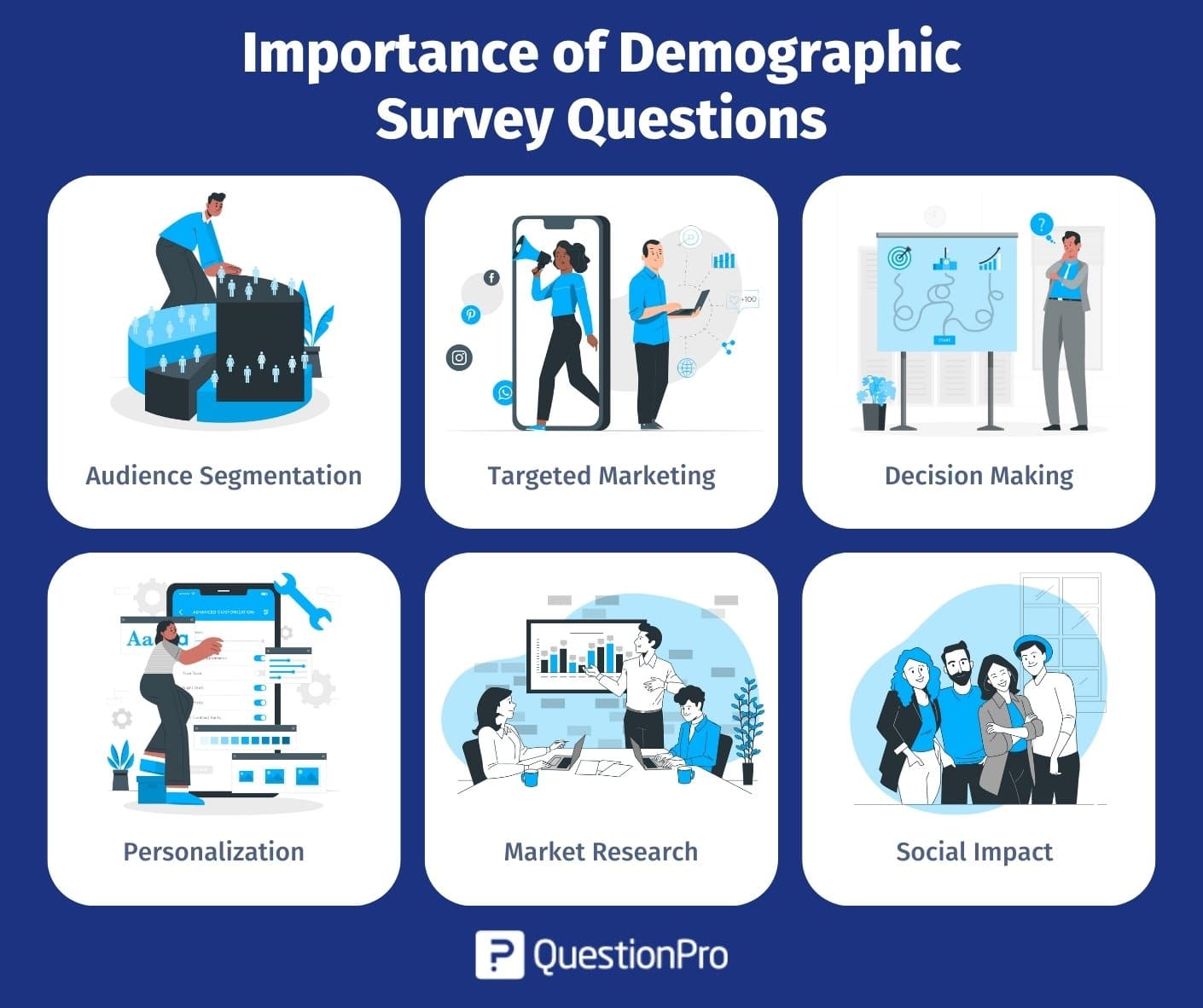
Surveys are powerful tools that can provide comprehensive insights into the sentiments, preferences, and opinions of your target audience. Survey Manager, an industry-leading enterprise survey tool, is dedicated to making this process secure, intuitive, and insightful.
One of the most vital components of a survey is the demographic section. By asking the right demographic questions, you can derive meaningful conclusions that power your business strategies.
Understanding Demographic Questions
Demographic questions are specific queries that help collect crucial data about the survey participants. These could be about age, gender, education level, income, employment status, and more. The responses collected can be instrumental in revealing patterns and trends that help in decision-making processes.
Asking these questions involves obtaining personal and sensitive data from the participants, and so it is critical to offer an option to opt-out of answering, ensuring the participants’ comfort.
A Deep Dive into Eight Demographic Questions That Enhance Your Survey
To design a comprehensive and effective survey, it is essential to ask demographic questions that give you a well-rounded understanding of your participants. These eight demographic questions, when included and handled correctly, can greatly enhance the value and insight gained from your survey.
1. Age
Age is one of the most basic demographic questions and is usually the starting point of any demographic survey. This can help you to categorise responses and spot trends across different age groups.
Age is a fundamental demographic parameter that helps segment your audience into distinct categories like Gen Z, Millennials, Gen X, or Baby Boomers. Understanding the age group of your participants allows you to tailor your products, services, and marketing strategies to meet their specific needs.
2. Gender
Gender-based questions can provide insights into differences in preferences, behaviours, and experiences between genders.
Asking questions about the gender of your audience can illuminate any differences in opinions, behaviours, and experiences between different genders. However, it is important to be sensitive to gender identity when including this question, and you should also make it optional to allow people to choose whether they want to share it.
3. Occupation
Understanding the occupational background of your respondents can provide meaningful context to their responses.
Knowledge of your respondents’ occupation gives you insights into their lifestyle, earning potential, and decision-making factors. For instance, a person working in a technology-related job might have different needs and preferences compared to someone in healthcare.
4. Education Level
The education level of a participant can provide context for certain behaviours or preferences. It can influence their understanding of the subject matter of the survey or their responses to specific questions. Always keep this question optional as it delves into personal achievements.
5. Income
Income-based questions can offer valuable insights into the purchasing power and affordability of your respondents. It aids in designing pricing strategies and understanding the economic disparities within your audience. This sensitive question should undoubtedly be optional, giving respondents control over sharing their financial status.
6. Location
Geographic location can be a significant determinant of a person’s experiences, needs, and preferences. Someone living in a bustling city might have different views compared to a rural resident. Insights into location can aid in region-specific strategies and understanding cultural nuances. As this question can reveal personal whereabouts, it must be optional to maintain participant privacy.
7. Marital Status
The marital status of a person could influence their decision-making, particularly when it comes to products or services that involve family or partners.
8. Ethnicity
Ethnicity provides deep cultural insights, which can be crucial for understanding habits, preferences, and behaviours. However, this is personal and sensitive information, and making this question optional helps uphold the dignity and privacy of your respondents.
Ensuring Data Security with Demographic Surveys
Collecting such detailed demographic data comes with a significant responsibility. Prioritising data security should be non-negotiable.
Using secure platforms like SurveyManager ensures that your survey data remains confidential and protected. In addition, it reassures respondents that their information is safe, which is instrumental in fostering trust and increasing response rates.
Demographics Drive Insights
The demographic questions in your survey can open doors to a treasure trove of insights that can drive your organisation forward. With the right questions and the commitment to data security, you can access reliable, actionable data that contributes to your strategic planning and decision-making processes.
Remember, survey data is only as good as the questions asked. So, make sure your demographic questions are thoughtful, considerate, and above all, respect the personal boundaries of your participants. With these eight types of demographic questions, you are well on your way to crafting a powerful, data-driven survey.