6 Ways Self-Service Kiosks Boost Sales For Your Food Business
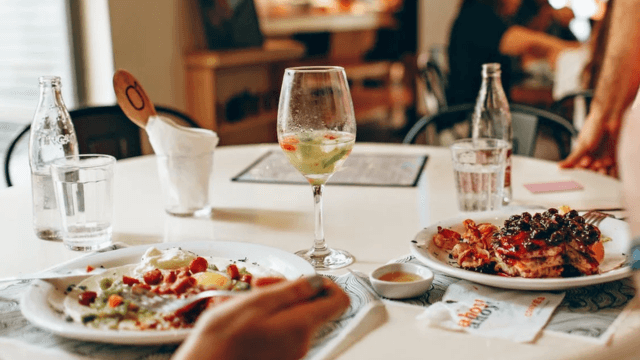
The global food industry, enjoyed by people from all walks of life, witnesses countless visits to beloved fast-food chains and restaurants, even among those who prioritize healthy living.
Food businesses, like any other industry, are driven by the pursuit of profit. They constantly seek ways to improve their bottom line and remain competitive in an ever-evolving market. Yet, many restaurants encounter challenges in achieving profitability due to the tight profit margins inherent in the food industry.
Technology has revolutionized various aspects of the food business, from efficient inventory management systems to the convenience of online ordering. However, when it comes to physical locations, many food businesses struggle to boost sales.
This is where self-service kiosks step in.
Contents
How Incorporating Self-Service Kiosks Can Boost Sales for Your Food Business
Using kiosks can help food businesses make the most of technology to improve their processes and increase sales. It’s a smart investment that can lead to improved efficiency and customer satisfaction. As a result, you can create a more competitive and profitable food business.
Want to add self-service kiosks to your food business? Please note that Gallery Carts builds grab-n-go kiosks for airports, stadiums, and more. They can provide you with customized solutions tailored to your specific needs and goals.
So, let’s find out how adding self-service kiosks to your food business can boost sales:
#1: Reduces Ordering Time
Let’s imagine a couple from out of town visiting your fast-food outlet. They’ve never tried your chain’s food before. Understandably, they’ll take longer to order as they check the menu, sometimes up to ten minutes.
In contrast, regulars order quickly since they know the menu. Restaurants and fast-food chains want to reduce order times to prevent long lines. For example, if you’ve been in a fast-food chain and seen someone taking a long time to order, you might get frustrated.
However, unlike fast-food chains, restaurants can’t ask seated patrons to move for waiting customers. So, they’re keen to speed up orders to boost foot traffic and sales.
Self-service kiosks are a great solution. In today’s digitized world, people prefer ordering food online rather than making phone calls. Restaurants can adapt to this trend.
Customers can enter a restaurant and use a self-service kiosk to order and pay without server interaction. This reduces order time, increases foot traffic, and boosts sales.
#2: Customer Loyalty
Self-service kiosks offer not only convenience and efficiency but also foster customer loyalty and retention.
Several reasons support the promotion of customer loyalty through self-service kiosks. Firstly, they enhance convenience, ensuring customer satisfaction. Moreover, they significantly improve order accuracy, reducing the risk of miscommunication and errors often associated with human servers. Patrons using self-service kiosks don’t need to worry about receiving the wrong order or missing ingredients.
For restaurants and food businesses, customer loyalty is paramount. Research demonstrates that acquiring new customers can be five to twenty-five times more expensive than retaining existing one
#3: Better Inventory Usage
Research indicates that inventory wastage poses a substantial challenge for food businesses, with roughly ten percent of food going to waste before reaching a customer’s plate. This issue significantly impacts margins, directly affecting a restaurant’s profitability. Self-service kiosks offer a solution to reduce inventory wastage.
Through self-service kiosks, restaurants can gather customer information to better anticipate demand and adjust inventory orders accordingly. In addition, they can dynamically modify menus and offer discounts in real-time, thus facilitating the sale of existing inventory instead of incurring unnecessary losses.
#4: More Upselling Opportunities
Boosting sales doesn’t always entail selling more products; it can also involve raising the average sale value, especially for restaurants, which means increasing the average order value. Upselling proves to be a potent tool in this regard for restaurants and fast-food establishments.
Self-service kiosks enhance the potential for upselling in these businesses as they offer real-time updates. Moreover, their interactive displays enable customers to visually explore recommended products. Engaging images of food items can make customers more inclined to make additional purchases, facilitating the upselling process.
#5: More Customized Options
With self-service kiosks, you’ll notice a remarkable feature – the ability for customers to tailor their orders to their liking. Let’s take a restaurant serving burgers and hot dogs as an example. Ever had that moment when you wondered if you could get a hot dog without pickles or mustard? Or maybe you’re someone who loves to add ketchup and mayonnaise to your hot dog. The beauty of self-service kiosks is that they make it a breeze to customize orders based on individual preferences.
Now, the question you might be asking is, “How does this customization benefit both customers and the business?” The answer is quite straightforward. When customers can fine-tune their orders with ease, they’re more likely to get exactly what they want, leading to higher satisfaction. Happy customers are more likely to return and even recommend your establishment to others, which ultimately drives up business revenue and enhances its reputation.
#6: Self-Service Kiosks Reduce Labor Costs
Introducing self-service kiosks in a restaurant or fast-food business can significantly alter its operations, especially in the front-of-house. When customers use these kiosks to place their orders, it can lead to a noticeable reduction in the need for traditional table service staff.
While this reduction in labor costs may not directly impact sales, it plays an integral role in shaping the establishment’s overall financial health. It’s essential to understand that lower labor expenses have the potential to significantly boost profit margins, creating a conducive environment for increased profitability and financial stability.
Conclusion
Self-service kiosks offer several benefits to food businesses. They streamline operations, reduce wastage, and enhance customer experiences, leading to increased sales and improved profitability. Incorporating self-service kiosks into your food business keeps you competitive and efficient.
By reducing order times, promoting loyalty, facilitating upselling, and enabling customization, self-service kiosks are a win-win for both businesses and customers. They align your business with modern consumer expectations and position you for growth in a competitive market. Embracing this technology ensures a prosperous and customer-focused future for your food business.