5 Types of Whole House Water Filtration Systems
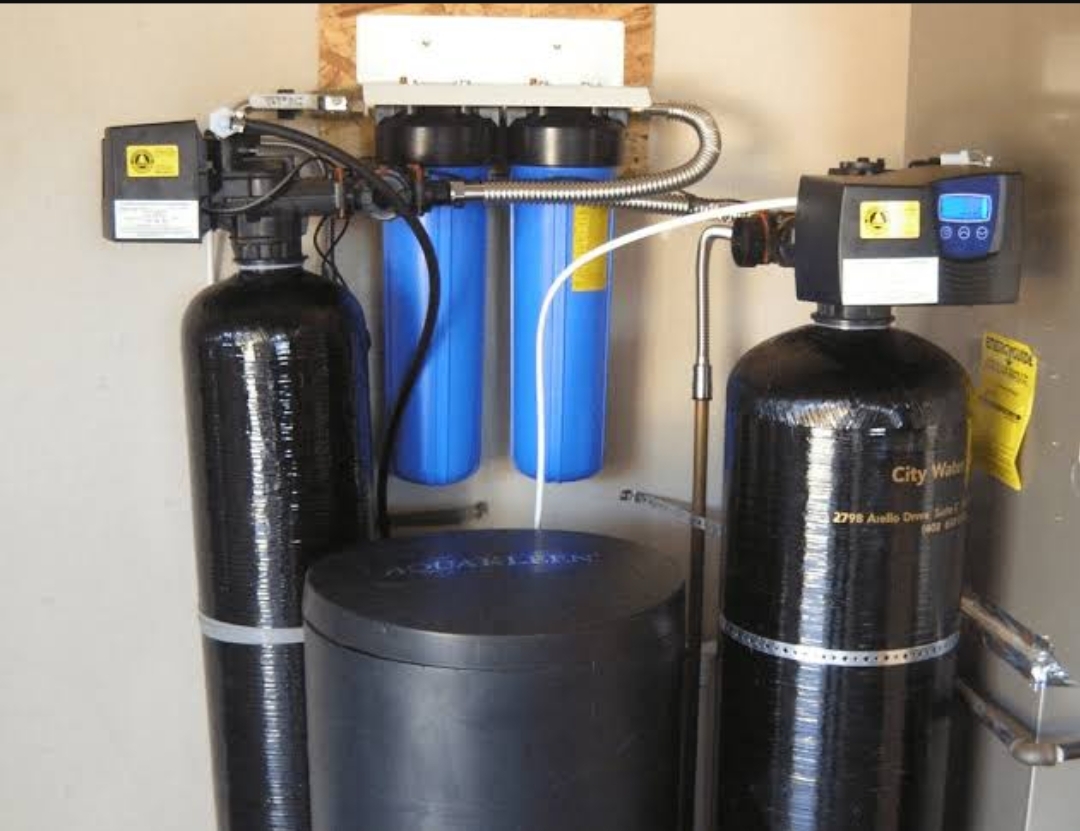
Whole house water filtration systems are designed to remove impurities and contaminants from the water supply in your home. These systems are installed near the main water line, making sure all the water flowing through the pipes is filtered. Households can invest in them to provide safe and clean water for various purposes, including drinking, cooking, and bathing. Here are several different types of whole house water purification systems to review for your home:
Contents
1. Reverse Osmosis Systems
Reverse osmosis (RO) systems involve forcing water through a semi-permeable membrane to remove impurities like chemicals, bacteria, and minerals. The initial stage of reverse osmosis filtration can consist of a pre-filter that removes larger particles such as silt, sediment, and dirt. This protects the RO membrane and extends its life. For the system to function correctly, it needs to have proper water pressure. Various reverse osmosis systems are available on the market and differ in their filtration capabilities. Some designs have multiple filters, while others include an additional UV light treatment for the removal of harmful microorganisms.
2. Activated Carbon Filters
Carbon filters use activated carbon to trap impurities such as chlorine, pesticides, and cleaning solvents. The activated carbon has a large surface area that attracts and absorbs contaminants from the water passing through it. Activated carbon filters can also be used as a pre-filter in whole house water filtration systems. They may be combined with other types of filtration, such as reverse osmosis, for a more comprehensive purification process. Activated carbon filters improve the taste and smell of water, making it more enjoyable to drink and cook with.
3. Sediment Filters
Sediment filters are designed to remove particles and debris from water. They work by physically trapping impurities as the water passes through the filter. This type of filtration is beneficial for areas with higher levels of sediment, such as in older plumbing systems. Sediment filters help prevent larger particles from clogging or damaging more sensitive filters. They are typically made of synthetic materials, such as polypropylene. Sediment filters come in various sizes and micron ratings to accommodate different levels of sediment.
4. Ion Exchange Filters
Ion exchange filters are a type of water filtration system that uses resin beads to remove impurities from water. These systems work by exchanging charged ions with the contaminants in the water, effectively removing them from the supply. Ion exchange filters can remove minerals such as calcium and magnesium, which cause hard water. Some are capable of removing both positively and negatively charged ions, making them suitable for various types of contaminants. This makes them a versatile option for those looking to purify their water.
5. Ultraviolet Disinfection Systems
Ultraviolet disinfection systems are an effective way to purify water by using UV light to inactivate harmful microorganisms. They can be used for both residential and commercial purposes and in large-scale water treatment plants. These systems work by exposing the water to a specific wavelength of UV light. This exposure damages the DNA of bacteria, viruses, and other pathogens, leaving them unable to reproduce and cause infection. UV disinfection systems can be an option for those looking for a chemical-free way to purify water.
Invest in Reliable Whole House Water Filtration
Whole house water purification systems offer a comprehensive solution for purifying your household’s water supply. Different types of systems are available, including reverse osmosis, activated carbon, and ion exchange filters. Each type has unique capabilities and advantages, allowing you to customize your filtration system based on your household size and water contaminants. Invest in whole house water filtration systems to improve the quality and taste of your drinking water.