5 Symptoms of Kidney Problems and What to Do about it
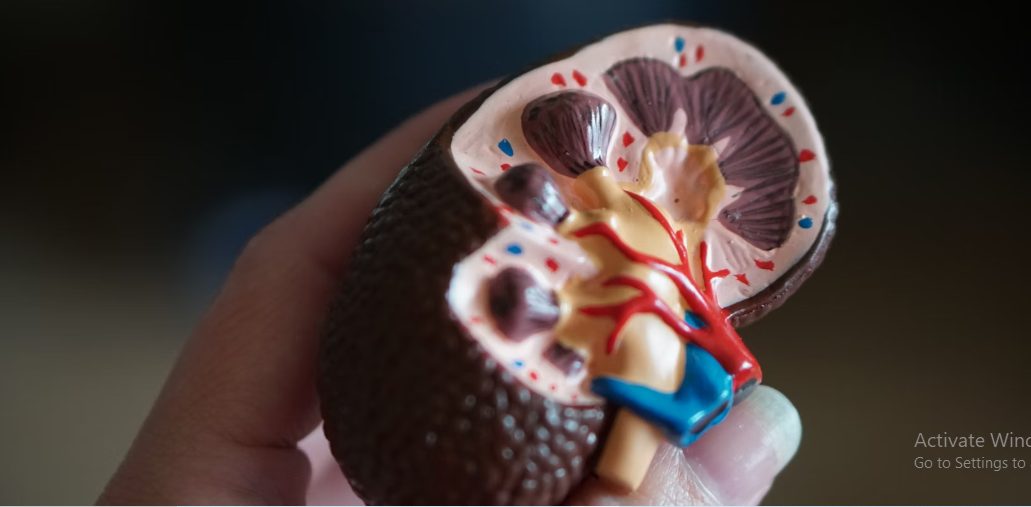
Although kidney issues might be mild and easily missed, prompt diagnosis is essential for successful treatment. Knowing what to do when you recognize the signs of kidney problems can have a big influence on your health. This article lists five typical signs of kidney issues along with the proper actions to take in response.
Contents
1. Changes in Urination
One of the first clear signs that something might be amiss with your kidneys is often changes in your urination patterns. Increased frequency of urination, especially at night (nocturia), reduced urine production despite a normal fluid intake, dark or cloudy urine, or blood in the urine (hematuria) are some examples of these changes. It’s critical to identify and comprehend these symptoms. You must contact a healthcare provider right away if you observe any of these alterations. They are capable of carrying out the required diagnostic tests, such as blood and urine analyses, to evaluate the renal system and find any underlying problems. Remember, early identification and action are key to maintaining kidney health, halting the progression of renal disease, and preventing more serious complications.
2. Swelling in Extremities
Because the kidneys are essential for eliminating extra fluid from the body, swelling in the hands, feet, ankles, and legs is frequently an indication of renal disease. The accumulation of fluid that results from the kidneys’ inability to adequately filter and eliminate it causes discomfort, swelling, or edema. In addition to being physically uncomfortable, persistent edema may indicate underlying renal problems that need to be treated. You must see a doctor if your swelling persists. To stop more issues and advance general health, they can identify the underlying reason, suggest therapies to lessen fluid retention, and solve the issue.
3. Fatigue and Weakness
A hormone called erythropoietin is produced by healthy kidneys and aids in the creation of red blood cells. This hormone is produced less often when kidney function is compromised, which results in anemia. Fatigue, weakness, and a generalized sense of being poorly are some of the symptoms of anemia. If you get enough sleep but yet feel excessively exhausted, there may be a problem with your kidneys. A blood test may verify anemia, and there are several ways to treat this illness properly. It’s natural to wonder, “Can kidneys repair themselves?” In some cases, if the underlying cause is treated right away, the kidneys may be able to recover from acute damage in certain circumstances. On the other hand, more extensive medical intervention and care may be necessary for chronic renal impairment.
4. Shortness of Breath
There are two main reasons why shortness of breath might be an indication of renal issues. First of all, fluid that the kidneys are unable to eliminate from the body adequately can build up in the lungs and cause difficulty breathing. Second, low red blood cell counts in anemia result in a decreased body’s ability to carry oxygen, a condition that can be brought on by kidney illness. Both situations may result in exhaustion and respiratory problems. Seeking quick healthcare is imperative if you have unexplained dyspnea. If kidney dysfunction is the reason, a medical professional may diagnose the condition and may provide drugs to control anemia or lessen fluid retention, which will improve breathing and general health.
5. Persistent Itching
The buildup of waste items in the body can cause persistent itching, which may indicate kidney issues. An accumulation of these waste products might result from the kidneys’ inability to filter them efficiently, which can be quite irritating. This persistent, often-wide itching might significantly impact regular activities and quality of life. If you have continuous, unexplained itching, you should absolutely consult someone with medical expertise. In order to cure kidney problems and reduce itching, they can identify whether renal dysfunction is the underlying reason. This might significantly enhance general health and comfort.
Conclusion
Not ignoring critical symptoms such as changes in urine, swelling, exhaustion, shortness of breath, and persistent itching is advised. If you have any of these indicators, you need to see a physician. A quick diagnosis and appropriate treatment plan can assist in successfully managing kidney disorders and enhancing the quality of life. Regular check-ups are essential for maintaining kidney health since early diagnosis of renal problems can dramatically improve results and prevent complications.