5 Actions to Take When Your Bathroom Has Constant Toilet Overflows
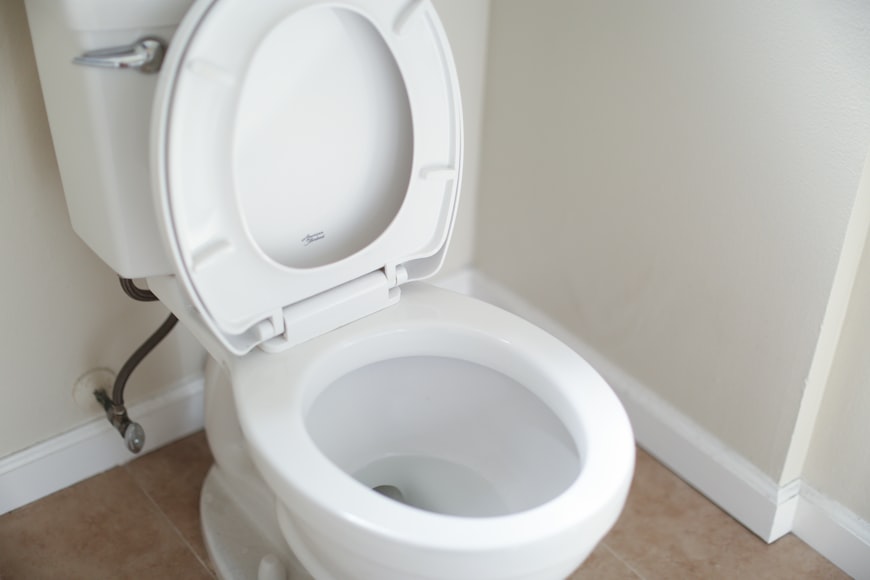
Constant toilet overflows in your bathroom can be frustrating and messy. If ignored, they can result in discomfort, inconvenience, and water damage. Knowing how to handle this situation effectively is crucial for maintaining your bathroom’s functionality and cleanliness. This article will explore five actionable steps you can take to ensure a prompt and efficient resolution to this common plumbing issue.
- Identifying the Root Cause:
The first step in addressing constant toilet overflows is to identify the root cause of the problem. A number of things, such as blocked sewage lines, malfunctioning flushing systems, or clogged drain lines, might cause the problem. Start by looking for any obvious obstructions, such as trash or foreign items, in the toilet bowl and tank. If there seems to be a blockage, try using a plumbing snake or plunger to unclog it. Furthermore, make sure the flushing mechanism is working properly and isn’t letting water go into the bowl continuously by inspecting it.
Seeking the help of a qualified plumber who can diagnose the issue and provide appropriate solutions can be important if you are unable to locate or fix the problem on your own.
- Taking Immediate Action:
When faced with a constant toilet overflow, it’s essential to take immediate action to prevent further damage and minimize the mess. To stop the water from pouring into the bowl, first cut off the water supply to the toilet. This can usually be done by locating the shut-off valve behind or near the base of the toilet and turning it clockwise until it is fully closed. Next, to stop water damage and mold growth, use towels or rags to absorb any extra water on the floor and other areas.
To remove more water and speed up drying, if the overflow has resulted in considerable water damage, consider using a wet/dry vacuum or mop. In order to encourage airflow and accelerate the drying process, it’s also a good idea to ventilate the space by opening windows and utilizing fans.
- Repairing or Replacing Components:
Once you’ve addressed the immediate issue and mitigated any potential damage, it’s time to repair or replace any faulty components contributing to the constant toilet overflows. This could involve removing obstructions in the sewer system, fixing or replacing the flushing mechanism, or unclogging drain pipes. If you’re confident doing plumbing repairs yourself, you can try solving the issue using simple equipment and supplies.
It’s better to seek the assistance of a qualified plumber, though, if you’re hesitant or lack expertise; they are able to accurately identify the problem and carry out any required repairs or replacements. Over time, more significant water damage can result from toilet overflows that often happen if defective parts are ignored or neglected to be fixed.
- Preventing Future Occurrences:
Once you’ve resolved the immediate issue and repaired or replaced any faulty components, it’s important to take steps to prevent future occurrences of constant toilet overflows. This could include carrying out preventive maintenance procedures, such as routinely cleaning and checking the toilet and drain lines to avoid blockages. You can also consider installing a toilet overflow alarm or sensor that notifies you of possible problems before they become worse.
Additionally, to reduce the possibility of clogs and overflowing, teach family members the correct way to use and dispose of toilet paper. It’s possible to lessen the probability of future toilet overflows and the resulting water damage by being proactive with plumbing system maintenance.
- Seeking Professional Assistance:
If you’re unable to resolve the issue on your own or if constant toilet overflows persist despite your efforts, it may be necessary to seek professional assistance from a licensed plumber. An experienced plumber will possess the knowledge and specific tools required to correctly identify the source of the problem and take appropriate action. Additionally, they can offer helpful advice on how to keep your plumbing system in top shape and avoid problems down the road.
Additionally, in cases where the water damage has occurred as a result of constant toilet overflows, you may need to enlist the services of a commercial water damage restoration company to assess the extent of the damage and perform necessary cleanup and repairs.
Conclusion
In conclusion, constant toilet overflows can be a frustrating and inconvenient plumbing issue that requires prompt attention and action to resolve. You can effectively address frequent toilet overflows and prevent related water damage in your bathroom by following these five actionable steps: determining the root cause, acting immediately, fixing or replacing faulty components, preventing future occurrences, and seeking professional assistance when necessary. Remember to prioritize safety and thoroughness in your efforts to resolve the issue, and don’t hesitate to enlist the help of professionals if necessary.